Last Updated on March 16, 2026 by Indoor Plant Nook
Root rot is one of the most common — and most misunderstood — killers of juniper bonsai. By the time you notice the foliage turning brown and crispy, the damage underground is often already severe. The good news: if you catch it early enough and know exactly what to do, most junipers can be rescued.
This guide covers every angle — what causes root rot, how to diagnose it at home, and the step-by-step fixes that actually work.
What Is Root Rot in Juniper Bonsai?
Root rot is a condition where the roots of your juniper bonsai decay and die, typically due to a combination of excess moisture and fungal infection. Healthy juniper roots are firm and white to light tan in color. Rotted roots turn brown or black, feel mushy when squeezed, and often emit a foul, sour odor.

When roots rot, they lose their ability to absorb water and nutrients. Ironically, this causes the tree to show symptoms that look like drought stress — yellowing needles, wilting, and browning tips — even though overwatering is usually the original culprit.
Common Causes of Juniper Bonsai Root Rot
Understanding the root cause (pun intended) is essential before applying any fix. Most cases of root rot trace back to one or more of the following factors.
1. Overwatering
This is the number-one cause of root rot in juniper bonsai. Junipers are naturally adapted to well-drained, somewhat dry conditions. They prefer to dry out slightly between waterings. When the soil stays constantly wet, roots are deprived of oxygen and become vulnerable to fungal pathogens.
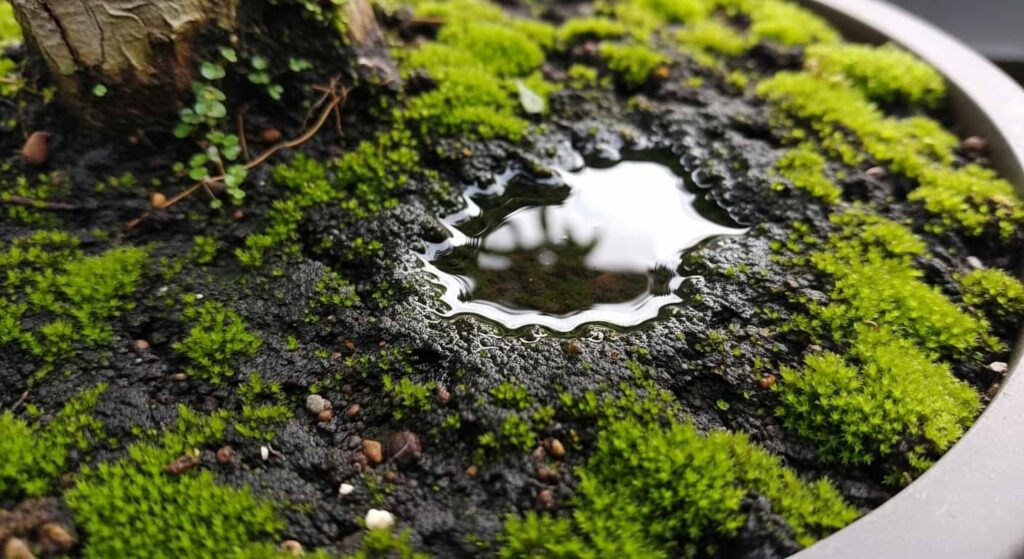
Signs of overwatering:
- Soil that never seems to dry out
- Green moss or algae growth on the soil surface
- Yellowing or browning foliage despite regular watering
- A sour or musty smell from the pot
2. Poor Drainage Soil
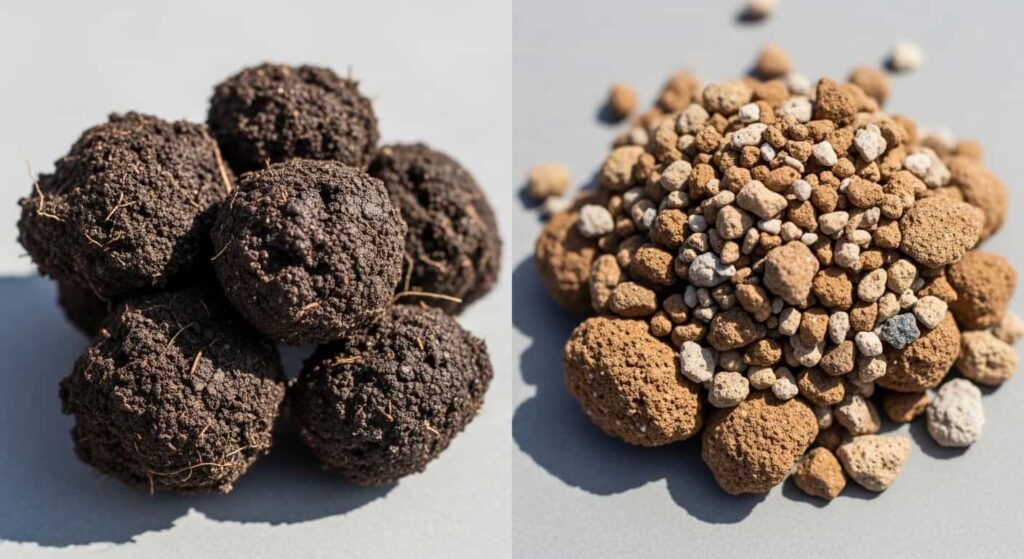
Even if you water correctly, the wrong soil mix can trap moisture and suffocate roots. Heavy garden soil, pure peat moss, or low-quality commercial potting mixes compact over time and hold far too much water for junipers.
Juniper bonsai need a fast-draining, aerated substrate. Akadama, pumice, and decomposed granite are preferred components. Soil that clumps together and doesn’t crumble when dry is a red flag.
3. Pots Without Drainage Holes
It sounds obvious, but a pot without adequate drainage holes (or drainage holes that are blocked by compacted soil or mesh) effectively turns your bonsai container into a water reservoir. Even one blocked hole can cause chronic moisture retention at the root base.
4. Fungal Pathogens
Several fungal species — most commonly Phytophthora spp. and Fusarium spp. — are the biological agents that actually destroy root tissue. These pathogens thrive in anaerobic (oxygen-poor), wet conditions. They can be introduced through contaminated soil, dirty tools, infected nursery plants, or even rainwater runoff.
Once established, fungal root rot can spread rapidly through an entire root system within days to weeks, especially in warm, humid conditions.
5. Poor Pot Sizing
Planting a small juniper in an oversized pot is a surprisingly common mistake. A large volume of soil relative to the root system holds moisture much longer, giving roots no chance to dry between waterings. Always match pot size to root mass, not to the tree’s above-ground size.
6. Seasonal Overwatering
Many growers water on a fixed schedule year-round without adjusting for season. Junipers slow their growth and water uptake significantly in winter and during cool, overcast periods. Watering as frequently in November as in July can easily trigger root rot during the dormant or semi-dormant period.
7. Damaged or Stressed Roots
Root rot doesn’t always start from overwatering alone. Physical root damage — from repotting trauma, insect feeding, or freezing temperatures — creates entry points for fungal pathogens even in trees with otherwise good care. Stressed roots are less capable of defending themselves against infection.
How to Diagnose Root Rot
Don’t wait for the foliage to tell you something is wrong. By the time leaves brown and drop, root damage is usually extensive. Here’s how to confirm root rot early.
Step 1 — Check the soil moisture. Push a wooden chopstick or skewer 2–3 inches into the soil and leave it for a minute. Pull it out and check for moisture. If it comes out dark and damp when it should have dried out days ago, moisture retention is a problem.
Step 2 — Smell the soil. Healthy bonsai soil smells earthy and neutral. Rotting roots produce a distinctly sour, swampy, or fetid odor. Trust your nose — it’s often the fastest diagnostic tool.
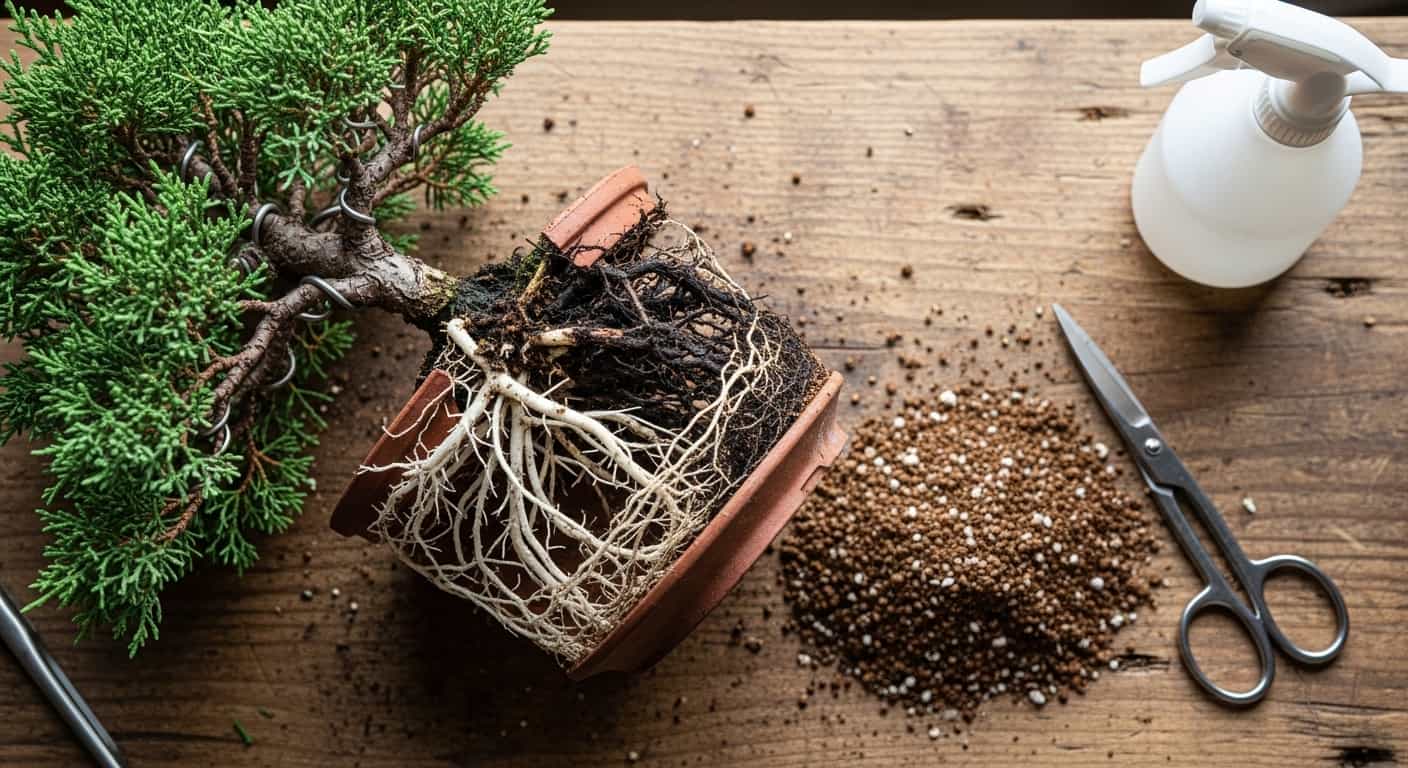
Step 3 — Inspect the roots directly. Gently unpot the tree. If the root ball falls apart loosely or has dark, mushy sections, rot is present. Healthy feeder roots should be white or cream-colored and firm to the touch. Dark, slimy, or brittle roots are compromised.
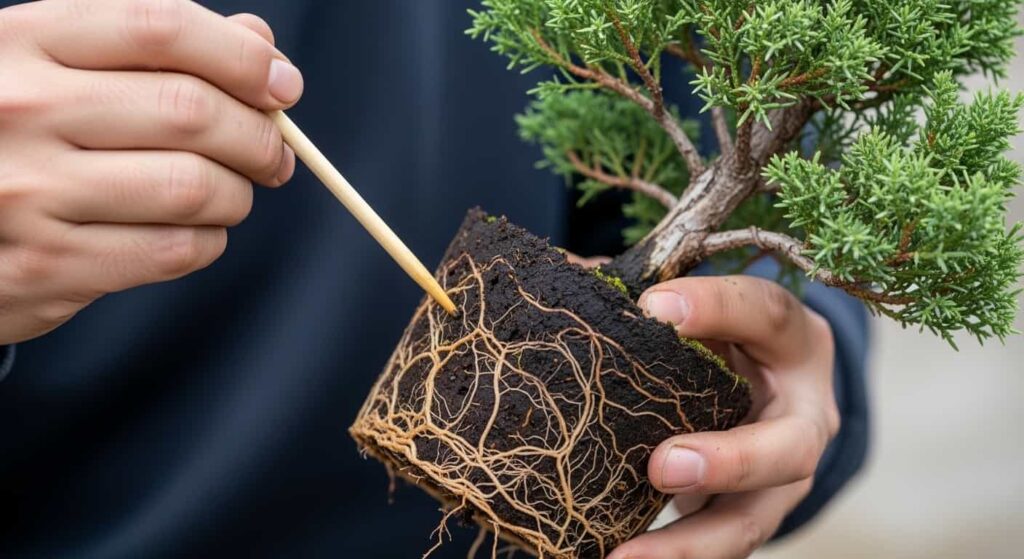
Step 4 — Check for fungal growth. White or gray mold at the soil surface or around the base of the trunk is a strong indicator of fungal activity. Some fungal root pathogens also produce a grayish web-like mycelium visible among roots.
Step-by-Step Fixes for Juniper Bonsai Root Rot
Once you’ve confirmed root rot, act quickly. The longer you wait, the more roots die off and the less energy the tree has to recover.
Fix 1: Emergency Repotting

This is the most important intervention and should happen immediately upon diagnosis.
- Remove the tree from its pot carefully. Do not pull from the trunk — support the root ball from beneath.
- Wash the roots gently under lukewarm running water to remove all old soil. You need to see the roots clearly.
- Prune all rotted roots with sharp, sterilized scissors or root shears. Cut back to healthy, firm, white tissue. If in doubt, remove it — leaving even small patches of rot behind can re-infect the tree.
- Sterilize your tools between each cut using rubbing alcohol or a diluted bleach solution (1 part bleach to 9 parts water) to prevent spreading the fungal pathogen.
- Dust the cut surfaces with powdered sulfur, cinnamon, or a horticultural fungicide powder. These act as antifungal barriers at the wound sites.
- Allow the roots to air-dry for 15–30 minutes before repotting. This helps callus wounds slightly and discourages further fungal spread.
Fix 2: Switch to a Fast-Draining Soil Mix

Never repot a recovering juniper into the same soil it was in — even if you sterilize it. Start fresh with a high-quality bonsai substrate. A recommended mix for junipers is:
- 50% akadama — provides structure and moderate water retention
- 30% pumice — excellent drainage and aeration
- 20% decomposed granite or coarse perlite — further improves drainage
Avoid peat, garden soil, or any mix that stays compacted when wet. The goal is a substrate that drains completely within a few seconds of watering and allows air to reach the root zone.
Fix 3: Apply a Systemic Fungicide
After repotting, drench the root zone with a systemic fungicide to eliminate any remaining fungal spores or mycelium. Products containing the active ingredients phosphorous acid (for Phytophthora), thiophanate-methyl, or propiconazole are effective against the most common root rot pathogens.
Follow label directions carefully. A second application 10–14 days later can improve efficacy. Avoid fungicide overuse, as it can disrupt beneficial soil microbes that support long-term root health.
Fix 4: Reduce Canopy to Balance Root Loss
When you remove rotted roots, you reduce the tree’s ability to absorb water and nutrients. To prevent the remaining roots from being overwhelmed trying to support a full canopy, prune back 20–40% of the foliage mass proportionally.
Focus removal on dead, crossing, or weak branches first. This reduces the tree’s transpiration demand and gives the recovering root system a manageable workload.
Fix 5: Correct Your Watering Technique
After treatment, adjust your watering practice fundamentally:
- Water only when needed, not on a schedule. Test soil moisture by feel — water when the top inch of soil is dry to the touch.
- Water thoroughly when you do water — until water runs freely from all drainage holes — then do not water again until the soil approaches dryness.
- Elevate the pot slightly to encourage air circulation and drainage from the bottom.
- Reduce watering frequency in winter when the tree is dormant and evaporation is minimal.
Fix 6: Optimize the Recovery Environment
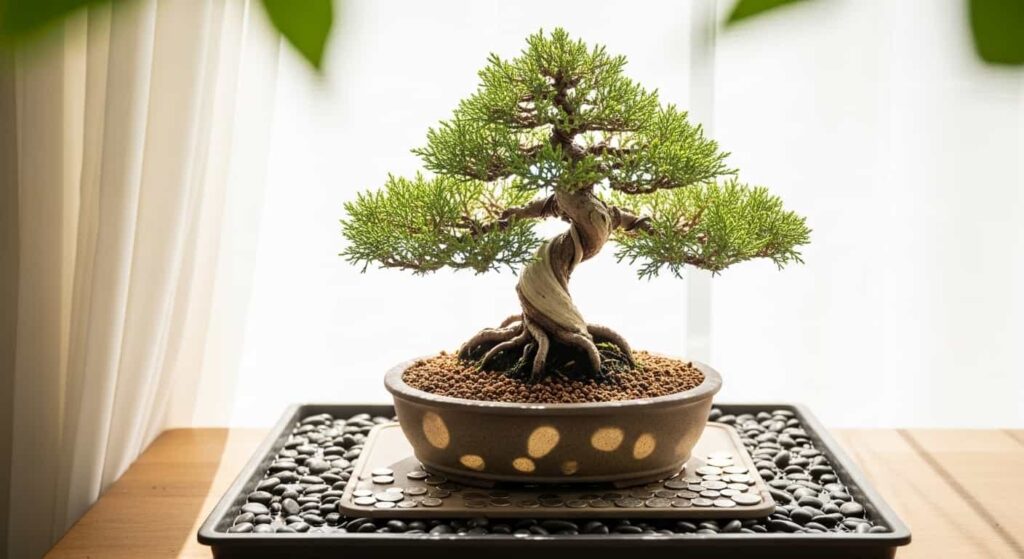
A recovering tree needs the right conditions to rebuild its root system:
- Bright, indirect light — avoid full direct sun for the first 2–4 weeks post-repotting, as the damaged root system cannot yet support high transpiration demands.
- Moderate temperature — keep the tree between 50–70°F (10–21°C) during recovery. Avoid extreme heat or cold.
- Humidity — slightly elevated ambient humidity helps reduce water stress while roots recover. A humidity tray beneath the pot can assist.
- No fertilizer for 4–6 weeks — fertilizing a tree with damaged roots causes salt buildup and chemical burn on vulnerable root tissue. Resume with a diluted, balanced fertilizer only once new growth is visible.
How Long Does Recovery Take?
Recovery timelines depend on how advanced the rot was when caught. Trees with mild to moderate root rot and healthy remaining roots often show new growth within 4–8 weeks of treatment. Severely affected trees may take a full growing season to stabilize, and some will not recover if the root system was too extensively compromised.
Monitor your tree weekly during recovery. New needle growth and firm, white feeder root development visible at the pot edges are the best signs that your juniper is bouncing back.
Preventing Root Rot in Juniper Bonsai
Prevention is always easier than treatment. Once your tree is healthy again, keep it that way with these practices.
Use the right soil. Never compromise on substrate quality. A fast-draining mix is the single most important protective factor.
Match pot to root mass. Re-evaluate pot size at every repotting. Oversized pots are a chronic root rot risk.
Check drainage holes regularly. Clear any blockages when you water. Water should always exit freely within seconds.
Sterilize your tools. Fungal pathogens spread through dirty scissors, chopsticks, and repotting trays. Wipe tools with alcohol before and after use.
Inspect roots at repotting. Annual or biennial repotting isn’t just for root pruning — it’s your chance to spot early signs of rot before they become emergencies. Catch soft spots or discoloration early and address them while the root system is still largely intact.
Water by observation, not habit. Adjust your watering frequency to the season, weather, and your specific pot and soil combination. There is no universal watering schedule that works for every tree.
Frequently Asked Questions
Can I save a juniper bonsai with severe root rot?
It depends on how much healthy root tissue remains. If more than 50% of the root system is still firm and white, recovery is realistic with proper treatment. If the entire root ball is black and mushy, the chances are poor — but emergency treatment and a heavily pruned canopy is still worth attempting.
Should I repot immediately after discovering root rot?
Yes. Delay makes things worse. Every day in wet, compromised soil allows the fungal pathogen to spread further. Treat root rot as an emergency.
Can I use hydrogen peroxide to treat root rot?
A diluted hydrogen peroxide solution (1 part 3% H₂O₂ to 3 parts water) can be used as a root soak to kill anaerobic fungi and oxygenate the root zone. It’s a useful supplementary tool but is not a substitute for removing rotted tissue and repotting into fresh, fast-draining soil.
Will cinnamon really work as an antifungal?
Ceylon cinnamon has documented antifungal properties and is a popular organic option for dusting cut root surfaces. It’s effective as a light preventive measure but should not be relied on as the sole treatment in an active, advanced rot situation.
How often should I repot my juniper to prevent root rot?
Most junipers benefit from repotting every 2–3 years for young trees and every 3–5 years for mature specimens. Regular repotting refreshes the soil, prevents compaction, and allows you to catch root problems early.
Final Thoughts
Juniper bonsai root rot is serious, but it’s manageable when you understand what drives it and respond decisively. Overwatering, poor soil, and blocked drainage are the primary culprits — all within your control. By mastering your watering technique, investing in quality substrate, and performing regular root inspections, you can keep your juniper thriving for decades.
If your tree is already showing symptoms, don’t hesitate. Unpot it today, remove the rot, and give it the fresh start it needs.