
Last Updated on May 1, 2026 by Indoor Plant Nook
Steam, fogged mirrors, and warm tile make bathrooms feel tailor-made for tropical houseplants—but pothos (Epipremnum aureum and familiar cultivars) still needs usable light, sane drainage, and air that dries leaves between humid bursts. Bathrooms can succeed beautifully when honest daylight or purposeful grow-light supplements join reliable ventilation and watering habits tuned to real dry-down speeds in that room. They fail quietly—small leaves on long stems, soggy crowns, fungal speckling—when weak light hides behind vanity bulbs mistaken for ecology. This guide covers humidity truthfully, diagnoses common bath-specific mistakes, and offers a decisive checklist before you drill hooks into plaster.
Humidity helps, yet it cannot replace sunlight
Elevated humidity can ease winter margin crisping caused by radiator-dry apartments elsewhere and can make aerial roots exploratory on moss supports if you use them—but photosynthesis scales with honest photons, not with condensed mirror fog fifteen minutes twice a day.
Evaluate the twenty-four-hour feel of your bathroom instead of the emotional peak of a hot shower. If the room is windowless and only lit for human grooming, plan engineered plant lighting or accept a rotation strategy where cuttings vacation in the bath for humidity but graduate to brighter rooms for growth.
Windowed bathrooms: what “good enough” looks like
East-facing glass or softened south and west exposures often work when pots sit back from panes that freeze at night or scorch by midday. Frosted privacy glass cuts intensity but also cuts total photons—expect slightly slower, smaller-leaf growth than the same cultivar on a living-room sill with clearer glass.
Offset pots from cold winter glass; trailing tips that rest on chilled tile or single-pane windows night after night yellow for temperature reasons even when humidity feels spa-perfect.
Ventilation and leaf wetness
Run exhaust fans long enough after showers that foliage actually dries before bedtime. Leaves that stay beaded for hours in stagnant air invite superficial spotting. Cracking the door after steam sessions trades a little privacy for meaningful air exchange—worth it for plant tissue and grout alike.
Watering on bathroom time, not living-room autopilot
Steam makes beginners assume soil never dries; in practice, warm dry-down can be uneven—surface crust may read “dry” while inner root cores stay damp, especially in dense mixes. Lift inner nursery pots, note weight, and sniff for sourness if yellowing accelerates. Cachepots and decorative shells must drain; standing water at the bottom of a shell is a gnat nursery regardless of mirror aesthetics.
Heat sources: towel rails, radiators, underfloor warmth
Hot spots near towel warmers can crisp margins while lower root zones stay wet. Watch asymmetrical damage and correlate with hardware layout before blaming fertilizer. Underfloor heating can accelerate dry-down—adjust frequency seasonally.
Chemical drift from cleaners and personal care
Aerosol cleaners, bleach, concentrated bathroom sprays, and sticky hair-product films stress foliage over time. Rinse leaves occasionally with lukewarm water if films accumulate; prune badly dulled leaves for a fresh canopy. Store harsh chemicals away from plant surfaces and ventilate after deep cleaning days.
Cultivar choices for dimmer baths
Deep green pothos selections cope with moderate light longer than highly variegated cultivars that need brighter photon budgets to hold cream sectors. If you insist on a striking variegated specimen, pair it with a grow light or plan to rotate it through brighter locations weekly.
Pests in humid rooms
Fungus gnats exploit persistently damp organic soil—yellow sticky monitoring near pot bases catches early flights. Spider mites favor chronic dryness; baths can still host them on stressed or dusty leaves. Inspect petioles and undersides when you water; shower-rinse only when you can lift pots safely without wrecking hooks.
Safety: people, pets, slippery floors
Pothos is toxic when chewed—see your site’s pet and child toxicity articles for nuance. Prune trailing stems away from walkways where wet feet and vines intersect. Secure hooks into structure, not optimistic adhesive on steamy drywall.
Honest three-question monthly audit
- Are new leaves maintaining reasonable size for the cultivar, or shrinking cohort by cohort?
- Does the potting mix return to an appropriate light weight between waterings, or stay sour and heavy?
- Do leaves dry after steam within a couple of hours of normal fan use?
Two or three consecutive red flags mean more light, better airflow, or relocation—not more misting theater.
Mirrors, frosted glass, and borrowed sparkle
Fogged mirrors brighten emotionally for moments after showers, but clarity returns quickly and with it the baseline dimness returns. Mirrors can bounce existing window light toward a shaded corner thoughtfully; they do not create photons. Frosted treatments and privacy coatings filter harsh glare but subtract total light—budget expectations accordingly rather than blaming the plant months later.
Propagation jars beside the sink: convenience with discipline
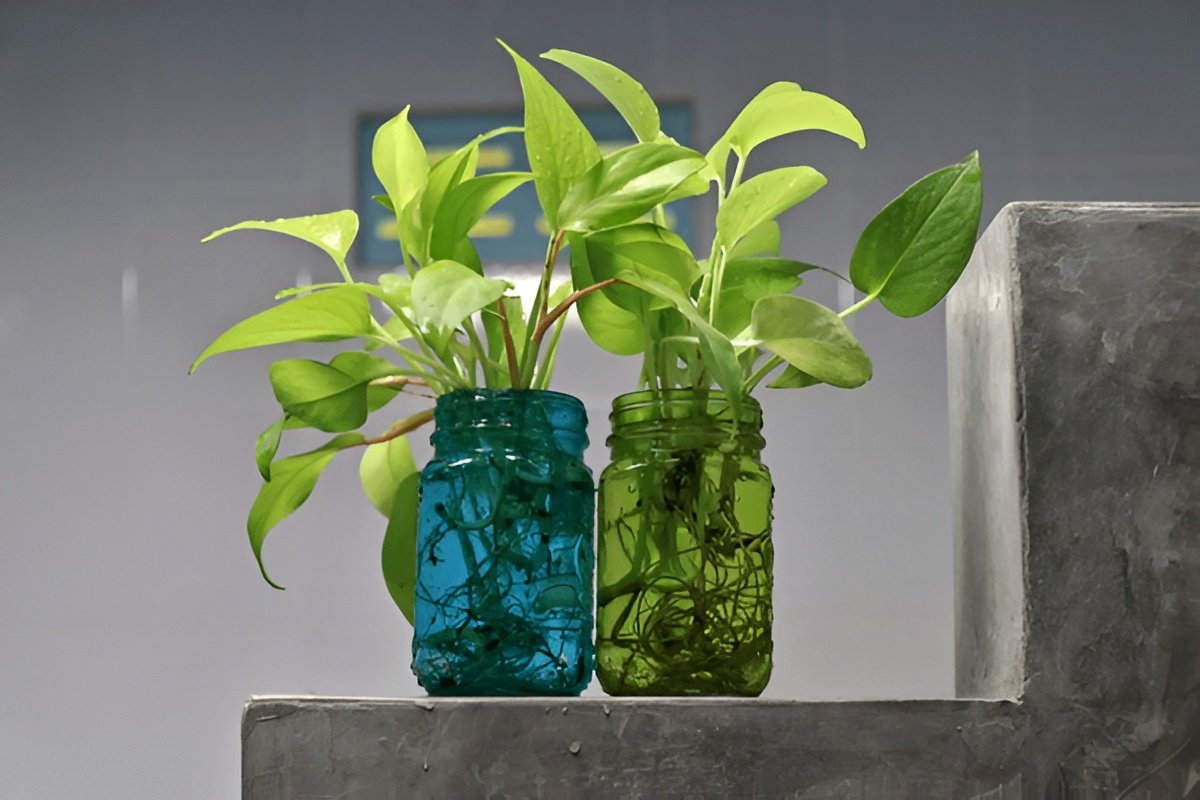
Many growers root cuttings in glasses on bathroom counters because water top-offs feel convenient. Swap water regularly, rinse vessels when biofilms slick the glass, and keep jars away from splashing toothpaste zones. Convenience should not lapse into stagnant anaerobic water that smells sour and rots basal stem tissue.
Seasonal choreography with heating and glazing
Winter low sun angles skim shallowly across glass; paired with icy outdoor air near single-pane glazing, crowns can endure chronic chill even when the thermostat reads comfortable six feet inland. Summer reverses the risk—direct beams intensify quickly; relocate pots a foot deeper into the room or add sheer diffusion before variegated leaves bleach.
Clustering plants and airflow reality
Grouping several forgiving plants raises ambient moisture slightly—but stuffing a tiny shelf blocks air and keeps crowns wet longer after steam. Leave finger-width channels so breezes sneak between pots; crowding defeats the ventilation victories you staged with deliberate fan habits.
Supplemental LEDs without turning the bath into a nightclub
Modern plant-oriented fixtures mount over cabinets or clip to shelving. Aim for spectra sold for foliage growth rather than magenta party strips; use timers so day-length stays coherent. Raise fixtures slowly if you see sudden leaf curling or bleach—acute light shock still stresses tissue even when intentions were generous.
Leaf hygiene rhythm you can repeat monthly
Cup lukewarm water, support the underside of each blade with your palm, dribble rinse along the tissue toward the tip, blot lightly afterward, and finish by inspecting vein axils where pests consolidate first. Routine rinses dissolve soap films and toothpaste splatter before they glaze foliage and subtly mute growth week by week unnoticed.
Rentworthy hooks and humid drywall reality
Steam cycles weaken some adhesives faster than hallway climate does. Prefer mechanical anchors in studs where leases allow; where they do not, freestanding shelving that bears weight downward beats optimistic ceiling stickers over porcelain tile. Inspect jute annually—UV-rich skylit baths degrade rope quietly until Saturday laundry morning teaches physics abruptly.
When bathrooms should stay pothos-free
Occasionally honesty means skipping the vibe: relentless interior darkness despite LEDs you refuse to mount, microscopic shelf footprint that forbids airflow, pervasive mold remediation projects that need weeks bone-dry with HEPA rigs whirring, or homes where climbing toddlers rearrange hangers hourly. Pivot to a sansevieria in a brighter hall or dedicate bath candles without foliage guilt—successful plant parents edit rooms candidly rather than insisting every vignette tolerate the same genus heroically indefinitely.
Hard water rims and chloride films
Leaves near vanities intercept tap mist loaded with carbonate or chloride chemistry until pale rims march inward subtly. Alternate occasional filtered-water rinses if crusting appears; cradle pots while rinsing so excess water escapes saucers deliberately instead of converting soil cores into unintended bogs afterward.
Towels, hooks, and mechanical leaf tears
Towels whipped off hooks at shoulder height can crack petioles and scar foliage that looked perfectly healthy yesterday. Elevate hangers so trailers arc above the towel zone or prune seasonally rather than diagnosing mystery spots when friction caused the blemish instead of fertilizer.
Photo documentation pays off
Weekly phone photos from one fixed angle reduce memory bias about leaf size and spacing. Compare month one to month four honestly before declaring victory; slow etiolation is easier to reverse early with a relocated pot or supplementary light than after half a year of hopeful squinting. Note exhaust fan duration in the caption so future you remembers whether steam dissipated each evening or lingered toward morning.
If glass stays foggy deep into the night because exhaust fans barely run, tweak runtime modestly within landlord tolerance so crowns dry before morning chill exaggerates marginal spotting, because misty glass often signals airflow failure that humidifiers alone rarely correct without honest fan schedules. Night-shift furnace schedules beside adjoining halls can sneak dryness between steam spikes unexpectedly—caption photos with thermostat notes occasionally.
Closing take
Bathrooms can be excellent pothos rooms when you treat them as small greenhouses with real light math, not as windowless Instagram sets. Match cultivar greed to your window situation, ventilate conscientiously after steam, localize watering honestly to actual dry-down, buffer icy hard surfaces thoughtfully, route harsh chemistry away from foliage deliberately, anchor hangers into real structure, prune thoughtfully for traffic, scout pests monthly without superstition, and adjust seasonally when sun angles plus heating systems reshape the room. Do that, and humidity becomes a helpful secondary perk instead of a substitute for the basics every Epipremnum still expects.