
Last Updated on May 1, 2026 by Indoor Plant Nook
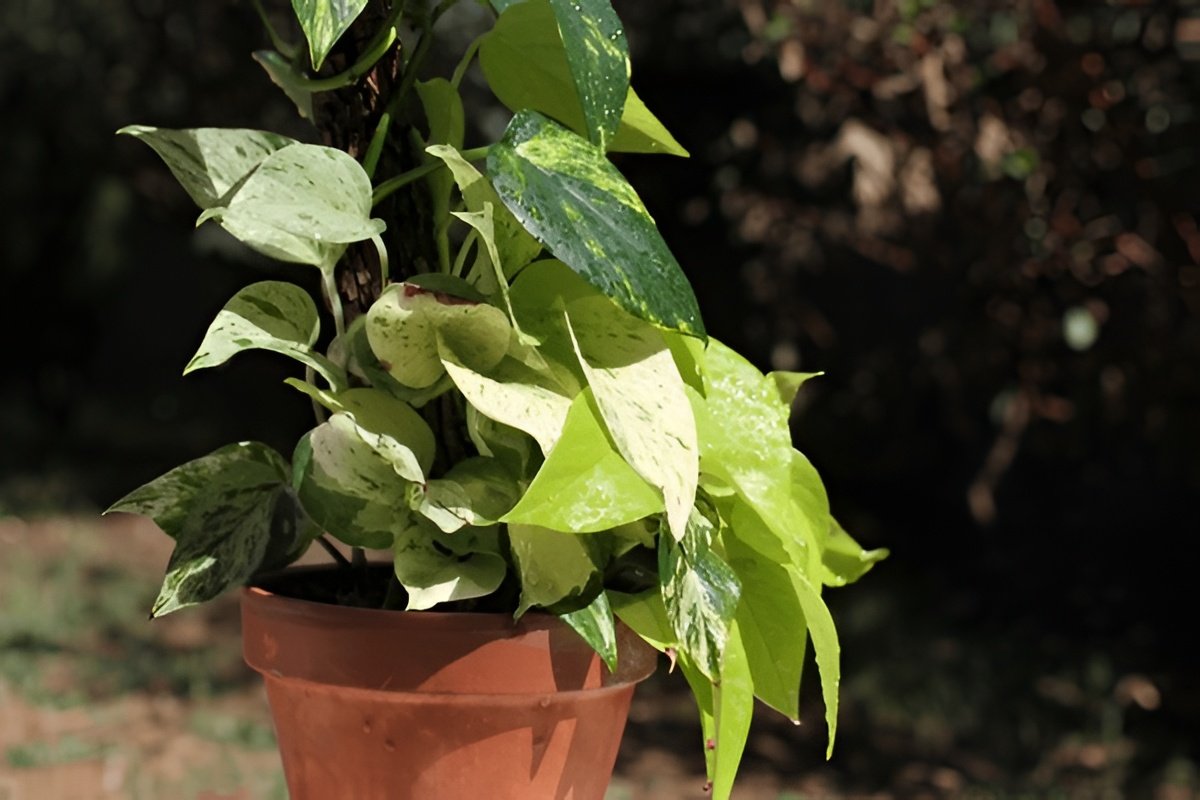
Pothos, the vine most often sold as Epipremnum aureum and its golden, marble, neon, and jade cultivars, thrives indoors because buildings mute weather. Outdoors, the same plant meets intense ultraviolet light, wind that scours leaf margins, rain that can flood poorly drained pots, swinging humidity unrelated to your thermostat, and—for most readers—winter cold that collapses tropical tissue after a hard freeze. Outdoor culture is possible and sometimes spectacular, but only when you align temperature limits, filtered light, drainage, and—where it matters—legal and ecological caution about vines that root aggressively beyond the bed you intended.
Frost is the hard stop for most temperate gardeners
Ice inside leaves and soft stems destroys cells in ways pruning cannot cosmetically fix. If your climate delivers hard freezes, treat outdoor pothos as a warm-season guest: enjoy it on the patio when nights stay reliably mild, then move it to a bright indoor space, sunroom, or frost-free garage setup before your first frost date. “It almost survived once” is not a substitute for a thermometer.
Cool nights without frost still stress young foliage; bronzing and stalled growth often appear before anything crystallizes. Juvenile leaves flag problems first, so watch new growth after cold snaps with more seriousness than older leaves that would yellow eventually anyway.
What changes the moment the plant leaves the windowsill
Glass filters some ultraviolet energy; unacclimated leaves placed in full sun can bleach or burn within days. Increase outdoor exposure gradually—start with gentle morning light, extend hours weekly, and delay harsh western exposure until new growth looks evenly toned and supple. Expect some older indoor leaves to look tired after a transition; that is not automatic proof of disease.
Wind accelerates drying on exposed railings. Dark plastic cans heat root zones against hot stone. Summer downpours can refill saucers you forgot to empty. These realities argue for chunky potting mixes, inner pots with open drainage, and watering keyed to weight, rain, and wind rather than the Tuesday schedule that worked beside a north window.
Tropical and reliably frost-free climates
Where freezes are essentially absent, pothos can climb trellises, spill from hanging baskets, and thicken stems dramatically when given bright filtered light and generous moisture in well-aerated soil. Direct equatorial noon sun still demands respect: even “outdoor” specimens benefit from shade cloth, tree-filtered light, or east-facing exposure until they prove tolerance.
Storm seasons matter for anyone on hurricane coasts—check ties and supports before wind events, and avoid rigid wire that saws stems when gusts hit. After damage, prioritize structural stability and clean cuts; cosmetic recovery may take several flushes.
Warm subtropics with occasional cold surprises
Mild-winter regions can feel like year-round outdoor country for tropicals, yet cold fronts still arrive. Containers on casters or lightweight inner pots inside decorative shells make retreat practical when models trend wrong. Sheltering near south-facing masonry can buy a modest buffer, but row covers only help with light radiation frosts—not sustained freezing air.
Before planting in the ground permanently, research whether local ecosystems or ordinances flag Epipremnum as problematic. Enthusiasm is cheaper when contained than when it becomes a removal project along fence lines and utility corridors.
Hot, arid climates
Desert patios punish soft tissue with UV and reflected glare from pale walls. Shade cloth or bright-indirect placement behind lattice buys time while leaves acclimate. Irrigation frequency rises with evaporation, yet drainage remains essential: summer cloudbursts still drown roots when holes clog with dust and shed blossom debris.
Canyon and coastal microclimates complicate stereotypes—morning fog may hide dry pockets deeper in the pot. Probe depth, lift inner growers, and avoid guessing from surface crust alone.
Humid temperate summers
Eastern and midwestern summers can deliver jungle-speed growth on shaded decks if light stays bright indirect and pots breathe. Risk arrives when lawn sprinklers soak foliage every night, saucers become stagnant moats, or crowded plants trap moisture at dusk. Morning rinses that dry by afternoon differ from chronic overnight wetness that favors foliar issues.
Rotate containers weekly so every side receives honest light; lopsided canopies are more likely to snap asymmetrically in wind.
Cool oceanic summers
Maritime climates stay mild while springs run long, cool, and damp. Organic mixes can slump toward low-oxygen conditions while crowns look superficially fine because humidity masks soil truth. Emphasize perlite, pine bark, pumice, or coarse coco husk so outdoor watering seasons do not suffocate roots between rain spells.
Containers, ground planting, and spread
Landscape-scale pothos in permissive climates can root wherever trailing stems touch moist soil or mulch. That behavior can outgrow design intent and, in some regions, complicate local ecology. When uncertainty exists, choose large planters, contained beds with root barriers, or patio-only culture.
Light acclimation without sun-scald theater
Move plants through partial shade first; extend sun hours on a weekly rhythm; watch the youngest leaves for the earliest warning bleeds. Fertilizer does not replace photon income—if new growth stays small and internodes stretch, fix light before chasing bottle brands.
Watering that respects rain and wind
After repeated storms, pause automatic watering and empty saucers. Windy balconies desiccate leaves while mid-pot moisture lags deceptive—weight-based judgment beats calendar loyalty. Prefer morning irrigation when possible so foliage can dry before cool nights, a small habit that tips odds slightly against opportunistic leaf pathogens.
Pests and wildlife outside
Grasshoppers, caterpillars, snails, and beetles can punch ragged holes faster than typical indoor pest chapters. Scout weekly; remove localized pests mechanically when populations stay modest. Birds may splatter droppings that warrant gentle rinsing without pressure-washing tender tissue.
When you bring plants back indoors, inspect and isolate briefly so outdoor hitchhikers do not sprint across a crowded plant shelf.
Toxicity awareness with pets and visitors
Pothos carries commonly cited oral irritation risk if chewed; prevention and professional guidance belong in your site’s dedicated toxicity articles rather than improvised medical advice here. Elevate hangers on balconies where dogs and young children explore, and treat shared walls and sightlines as safety and neighbor-courtesy problems, not only design problems.
Seasonal choreography for cold-winter regions
Migrate outdoors after weather stabilizes in spring; return ahead of ambiguous autumn forecasts rather than after tissue tests fate. Photograph hanger placement in May—you will forget rotation promises by August unless receipts exist on your camera roll.
Honest takeaway
Outdoor pothos succeeds where freezing injury stays out of the forecast, bright filtered light arrives with patient acclimation, drainage stays uncompromised through storms, and placement respects local ecological and legal context for vigorous vines. Let climate set the guardrails; let observation tune watering and light week by week. Epipremnum aureum needs no mythmaking—it already rewards honest outdoor summers and careful indoor winters when you treat geography as the boss and the plant as the willing vine.
USDA-style thinking without false precision
Hardiness zones are shorthand, not prophecy: frost sinks into valleys, radiates off pavement, and relaxes near south walls. A zone label cannot see your balcony microclimate. Keep a simple journal—date moved outside, direction of exposure, coldest night observed, first yellow flags after cold—and let three seasons of notes replace one confident forum post.
Reflective heat and balcony physics
Light-colored walls and glass railings bounce energy onto leaves and pots. A location that measures “part shade” on paper may behave like a reflector oven at noon. If bleached patches appear on the side of the vine facing the railing, you are seeing architecture, not mysterious nutrient deficiency.
Mulch, weeds, and maintenance around ground-level pots
Outdoor pots sitting on soil can wick weeds into drainage holes and hide ants that farm aphids along stems. A thin paver or deck tile under the pot breaks capillary nonsense, improves airflow, and makes hose rinsing simpler after storms kick debris into crowns.
Fertilizer outdoors: dilute and observe
Outdoor flushes can tempt heavy feeding. Start with half-strength balanced fertilizer during active growth; leach pots occasionally if mineral crust forms on media. Salt stress shows up as marginal burn that looks like sun until you correlate it with feeding weeks and dry wind episodes.
Long-term stems and support integrity
Mature outdoor stems become ropey and heavy. Upgrade stakes and soft ties before summer growth peaks; a fallen moss pole is a floor hazard and a stem-snapping drama. Check that hanging hardware is rated for saturated pot weight, not dry showroom weight.
Footnote for balcony renters
Elevator logistics, HOA rules about soil on decks, winter storage closets, and “no dripping on neighbors below” clauses shape outdoor pothos feasibility as much as plant biology. Designing for carrying weight, captive saucers without mosquito soup, and pre-frost evacuation routes keeps balconies civil and specimens alive season after season.
Balcony wind tunnels accelerate transpiration despite humid coastal breezes—lift pots occasionally mid-season so drainage holes stay unobstructed by pollen grime or algae films that quietly narrow openings after windy weeks outdoors.
Closing reminder
Enjoy pothos outdoors as a seasonal or climate-matched chapter, not a moral test. When nights turn cruel, bring plants in without shame—Epipremnum will root again, climb again, and forgive again if you return it to bright indirect light and well-drained care indoors.