
Last Updated on May 1, 2026 by Indoor Plant Nook
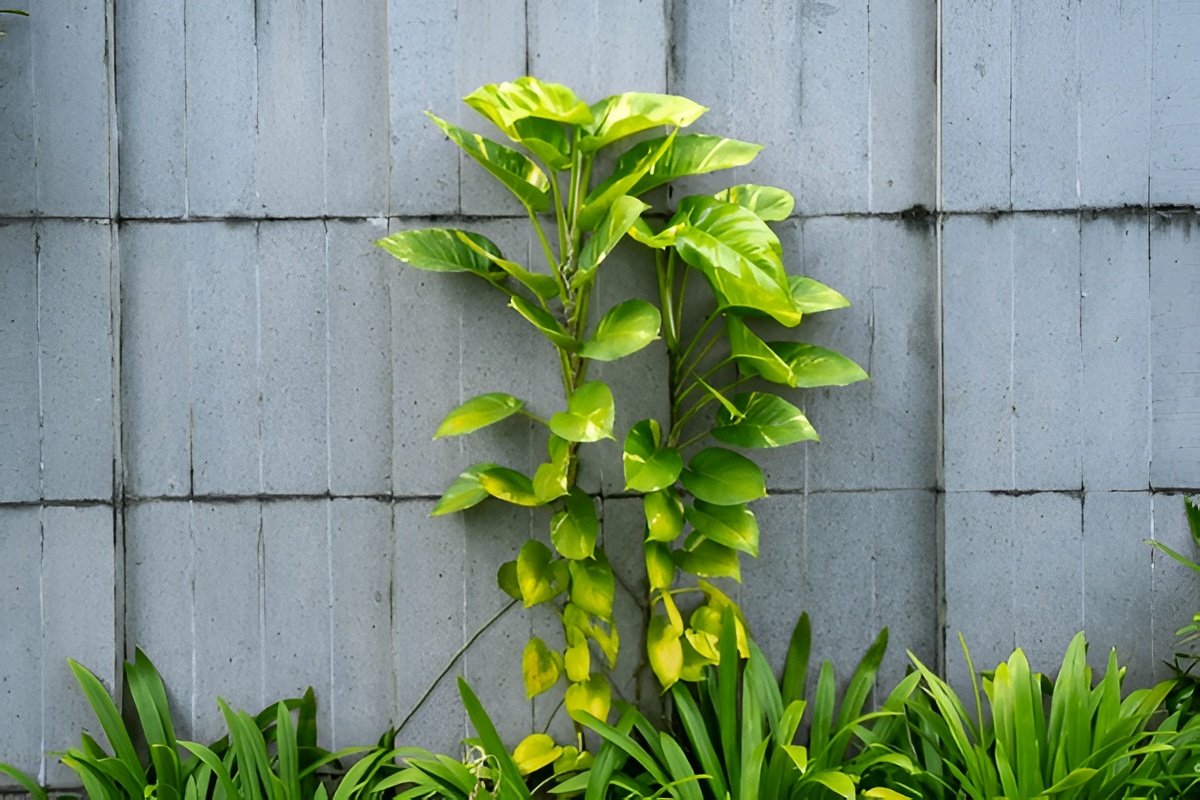
Pothos (Epipremnum aureum and popular cultivars) is one plant with two iconic aesthetics: the long trailing curtain spilling from a high shelf, and the upward climber winding around a support like a miniature jungle vine. Neither is “correct”; they are different partnerships between plant habit and your home’s architecture, light, and maintenance tolerance. This guide compares trailing versus climbing honestly: what changes visually, physiologically, and practically, and how to choose the style that fits your space without fighting the plant.
Trailing: romance, ease, and some hidden tradeoffs
What trailing excels at
- Dramatic vertical décor without installing poles
- Fast visual fill in hanging baskets
- Forgiving placement on tall furniture where climbers would need training
What trailing struggles with in some homes
- Lower light positions can produce smaller leaves and longer internodes
- Very long vines can behave like hydraulic bottlenecks when watering is inconsistent — tips may yellow or thin while the crown looks acceptable
- Dust accumulates on dangling foliage; pest checks mean lifting cascades routinely
If your space is literally high and bright — a basket near a bright window trailing downward — trail culture can be spectacular.
Climbing: structure, leaf presence, and setup cost
What climbing excels at
- Larger leaf potential over time in bright conditions with stable support
- Vertical greenery without consuming as much horizontal shelf length
- Anchored growth that can look deliberately designed rather than opportunistic
What climbing demands
- A support (moss pole, trellis, board) and periodic guidance of new growth
- A moisture strategy for aerial roots when you want strong attachment
- Honest ceilings — height limits involving light fixtures, door swings, and smoke detectors
If you want a bold corner statement, climbing often reads more architectural.
Light is the real decision driver
Dark trailing corners yield lanky growth; dark climbing corners yield thin vines grasping empty wall. Before choosing style, choose where photons actually land daily. Trailing near a genuinely strong window can look tight and healthy; trailing stretched across a dim hallway ceiling tends to disappoint year after year.
If your only viable site is moderate light, trailing can still succeed — temper expectations toward smaller leaves, slower spacing between nodes, and less dramatic contrasts on variegated cultivars unless you supplement with considerate grow lighting.
Maintenance ergonomics: different chores, similar honesty
Trailing baskets tempt you to hoist them for watering saucers, shower rinses, or pest hunts. Dense soil in a heavy ceramic hanger becomes a recurring shoulder workout. Plan hooks that are rated appropriately; avoid improvising drywall-only anchors above precious flooring.
Climbing setups trade heaviness vertically for fiddling: rewetting moss, adjusting soft ties, checking that supports stay plumb after enthusiastic growth spurts. Neither profile is objectively harder — they diverge ergonomically depending on whether you resent lifting baskets more than tending poles.
Pets and people: clearance planning
Both styles merit clearance around curious pets (pothos is toxic when chewed — see pet-specific articles on your site) and around foot traffic zones where dangling stems snag sleeves or backpacks. Training upward lowers floor-snag risk but can introduce aerial roots gripping paint or casing if moisture encourages attachment.
Trailing reduces wall contact until vines explore sideways toward neighboring shelves anyway — habit does not exempt you from placement discipline.
Design language in real rooms
Trailing aligns with layered textiles, curved shelves, gentle bohemian moods, macramé, and softness.
Climbing aligns with restrained modern corners wanting one strong vertical punctuation and minimal horizontal clutter.
Neither trend matters as much as your honest light cadence plus willingness to revisit pruning.
Hybrid approaches — the pragmatic middle
Many growers let pothos trail while guiding one exploratory leader upward for fullness — mixed habit beats paralysis when you crave both softness and stature. Rotate ambition seasonally: winter basket simplicity, spring pole escalation after repot.
Transport and tenancy psychology
Renters sometimes favor baskets for abrupt moves without disentangling climbers from drywall paint. Dedicated climbers resemble bundled cables — plan gentle unwrapping rather than ripping.
Growth psychology worth stating plainly
Expect time before moss genuinely clings and leaves enlarge perceptibly on climbers. Expect runaway length from trailers eventually — extension hooks or periodic haircuts arrive for everyone.
Decision worksheet without spreadsheet theater
Pick trailing when brightness lives high near a window shelf, hanger drama matters soon, and you prefer avoiding permanent vertical hardware.
Pick climbing when brightness anchors a usable corner, larger leaf fantasy matters, and you enjoy hands-on training calendars.
Pick better light before clever styling when neither site truly qualifies as bright indirect — pothos survives dimness politely but seldom performs theatrically without photons.
Studio apartments and one-wall reality
Tiny floor plans rarely offer two stellar bright walls simultaneously. Putting both trailing glamour and moss pole aspiration on mismatched exposures usually yields asymmetric frustration — one vignette thrives while the other quietly sulks. Let architecture pick the motif unless you responsibly add purposeful lighting fixtures.
Renovation bursts and dangling dust choreography
Drywall sanding and abrasive remodel aerosols cling to dangling leaves sooner than angled upward stems simply because gravity and surface orientation matter. Temporary relocation protects stomata patience; afterward, gentle lukewarm rinses dislodge particulates better than frantic leaf-polishing frenzies. Vacuum aggressively in work zones anyway — pothos appreciates general household cleanliness loops.
Variegated cultivars: trailing glare versus pole contrast
Highly variegated pothos cultivars photographed against bright windows benefit from rotational discipline whether trailing or climbing — hangers simply rotate visually faster because every visitor sees identical sun-facing choreography. Pole-trained specimens allow you to present shingling faces toward diffuse sides with less accidental bleaching chatter if exposures stay thoughtful.
Neither format replaces adequate light — variegation stability still tracks photon budgeting.
Watering choreography differences worth noting
Top-heavy hangers sometimes dry oddly — outer aerial roots near basket rims desiccate while inner root cores stay moist if soil stratifies over years — whereas pole pots often funnel moisture vertically through moss cores. Observation beats inherited internet schedules blindly.
Tips yellow on distant trailer extremities occasionally signal overdue hydration or accumulating mineral bitterness at root level rather than existential drama — still investigate thoroughly.
Quick practical FAQs
- Mixed climbing plus trailing simultaneously? Yes — prioritize ascending leaders intercepting brightest nodes while secondary spillers still receive honest indirect illumination instead of collapsing into perpetual understory darkness.
- Switching midway through tenancy rearrangements? Normal humanity — reposition hooks calmly, prune for density redistribution, propagate tops ethically if shock overwhelms symmetry.
- Which habit helps pet accessibility anxiety? Elevation solves more than morphology — nibblers escalate furniture too; supervise and consult veterinary guidance when ingestion suspicion arises.
Sound, airflow, and minor sensory ergonomics
Trailing vines occasionally slap blinds rhythmically during enthusiastic HVAC drafts — charming for some insomnia types, distracting for microphone-sensitive desks. Pole climbers faintly scrape or whisper when woody stems shift against trellis hardware after aggressive watering-induced turgidity swings — minor but real ergonomics influencing bedroom versus studio placement.
Final thought
Pothos never demands lifelong aesthetic allegiance — it thrives when habit, light honesty, pruning cadence, and support ergonomics coexist. Incremental tweaks beat romantic paralysis; if torn, begin trailing brightly and graduate into poles after the next sober repotting weekend. Healthy pothos aligns with evolving rooms rather than punishing outdated mood boards politely.
Instrumenting your space like a practical designer
Walk the room with a notepad: where does morning sun land, where do furnaces blow, where do pets pace, where do doors swing, where would a basket cast shadow on a neighboring desk? Trailing and climbing both fail when these mechanical realities get ignored for aesthetics first. A climbing vine routed across a doorway will die socially before it dies biologically—people rip stems accidentally, then blame the plant. A basket hung where only a ceiling bulb shines might live, but it will not fulfill the fantasy photo that sold you the hanger.
Credenza height and sightlines
Mid-height furniture changes how trailing reads: too low and vines become trip lines; too high without light and vines become sparse jewelry. Climbing from the floor can work near bright glass but often tempts people to buy poles taller than their root systems can anchor—stability issues follow. Match vertical ambition to pot mass and root maturity.
Emotional realism about “instant jungles”
Neither style delivers instant maximalism in average apartments without strong light or time. Climbing offers a roadmap to larger leaves; trailing offers fast draping length in brighter spots. If you need patience, buy it with supplemental lighting and realistic repot schedules—style cannot shortcut photons.
Integrating grow lights tastefully
Clamp lamps aimed at poles or basket spill lines can normalize darker rooms—choose timers, respect heat clearance from fabrics, hide cables for sanity. Trailing setups sometimes benefit from a light grazing leaves from above; climbing setups benefit from side lighting that keeps inner canopy from going completely bare.
Teaching housemates your style
If partners or kids share the home, explain the difference: “This one climbs—do not yank; this one hangs—watch your head.” Communication reduces accidental pruning by vacuum or backpack.
Final reassurance
Style arguments online pretend there is a winner; your living room only cares about light, water discipline, and respectful routing. Trailing and climbing are dialects of the same pothos language—fluency beats snobbery. Practice whichever dialect matches your windows and your willingness to maintain moss, hooks, or both—and adjust when life changes without treating the pivot like failure.