
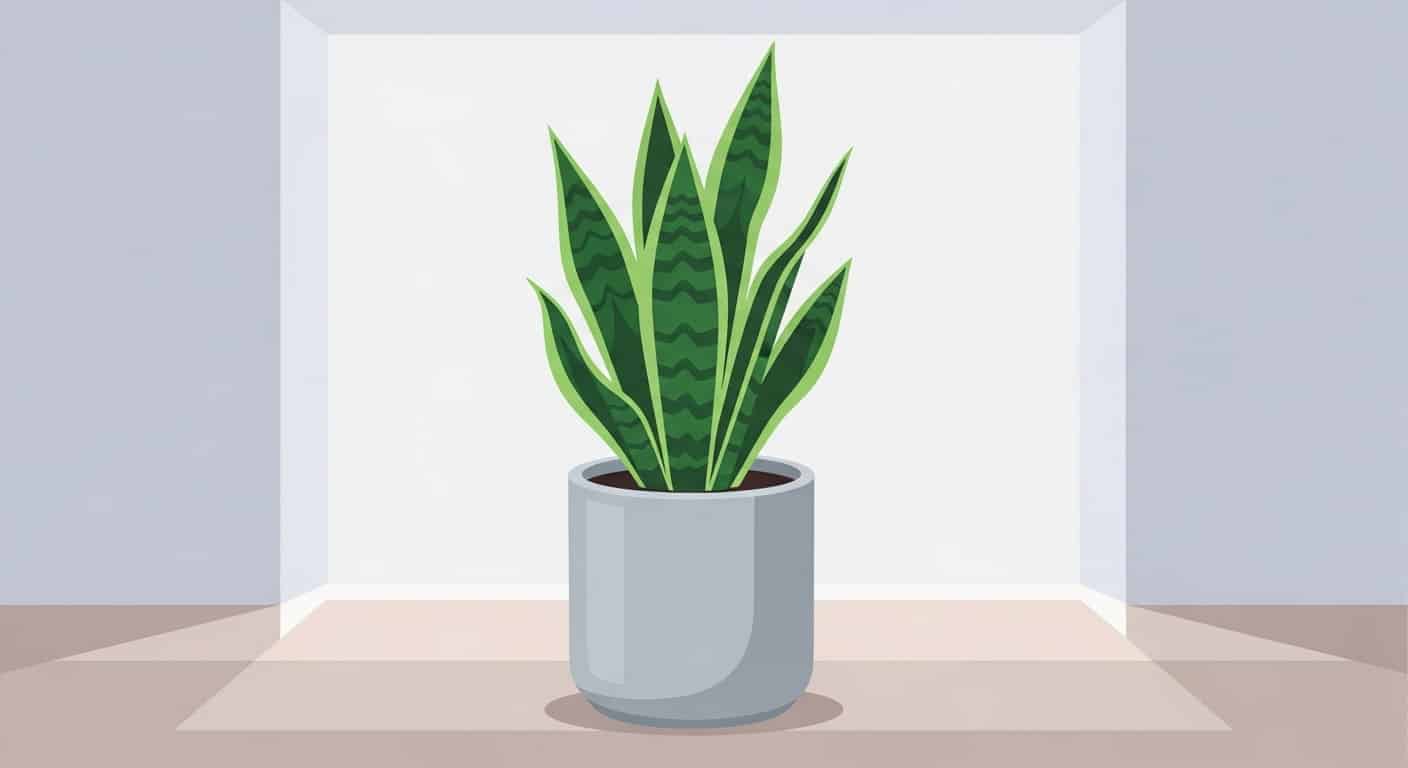
Master the Art of Forest Star Snake Plant Maintenance

Snake plants are legendary for their resilience, but the Forest Star Snake Plant (a specialized cultivar of Sansevieria trifasciata) is a true standout. Known for its unique, star-shaped rosette and compact size, it is the perfect “architectural” plant for modern homes.
What is the Forest Star Snake Plant?

The Forest Star Snake Plant is a compact variety prized for its unique aesthetic. Unlike the tall, sword-like leaves of common varieties, the Forest Star features dark green leaves with vibrant, light green edges that grow outward in a striking rosette pattern.
- Growth Habit: It is a slow-growing variety that stays under 12 inches (30 cm) tall.
- Ideal for: Small apartments, office desks, and decorative shelving where space is limited.
Key Physical Characteristics

- Foliage: The leaves are thick, leathery, and upright, featuring a mix of stripes and bands that create a “star-like” look from above.
- Flowers: While rare indoors, it may occasionally produce small, fragrant white blooms under perfect conditions.
- Texture: The smooth, sturdy leaves add a bold texture to any plant collection.
Ideal Growing Conditions

To keep your Forest Star Snake Plant thriving, mimic its native arid environment:
- Light: Thrives in bright, indirect light but is famous for its low-light tolerance. Warning: Avoid direct afternoon sun to prevent leaf scorch.
- Temperature: Prefers a range of 60–85°F (15–29°C).
- Soil: Use a well-draining succulent or cactus mix to ensure the roots stay dry and healthy.
Watering and Moisture Needs

The most critical part of Forest Star Snake Plant care is avoiding overwatering.
- The Dryness Rule: Water only when the soil is 100% dry to the touch. This usually means watering every 2–3 weeks.
- Winter Rest: During the colder months, reduce watering to once a month as the plant enters dormancy.
- Drainage: Always use a pot with drainage holes. Sitting in water is the quickest way to cause root rot.
Maintenance, Pruning, and Repotting

This variety is incredibly low-maintenance:
- Cleaning: Regularly wipe leaves with a damp cloth to remove dust.
- Pruning: Only necessary to remove yellowing or damaged leaves at the base using sterilized scissors.
- Repotting: Move to a slightly larger container every 2–3 years. These plants actually prefer being slightly root-bound.
Common Pests and Troubleshooting

Even a tough Forest Star Snake Plant can face issues:
- Pests: Keep an eye out for mealybugs (white cottony spots) or spider mites. Treat early with neem oil or insecticidal soap.
- Yellow Leaves: Usually a sign of overwatering. Stop watering immediately and check the roots.
- Brown Tips: Can indicate very dry air or sensitivity to fluoride in tap water. Try using filtered water if tips persist.
Air Quality and Health Benefits

The Forest Star Snake Plant isn’t just a decorative piece; it’s a functional air cleaner. According to the NASA Clean Air Study, Sansevieria varieties help remove toxins like:
- Formaldehyde
- Benzene
- Xylene
Safety First: Toxicity to Pets

While beneficial for humans, the Forest Star Snake Plant contains saponins. According to the ASPCA
, it is toxic to cats and dogs. If ingested, it can cause nausea, vomiting, and diarrhea. Keep it on high shelves away from curious pets.
FAQs: Forest Star Snake Plant
Can the Forest Star Snake Plant grow in low light?
Yes, it is highly adaptable to low-light conditions, though its growth will be slower and its colors may be slightly less vibrant.
How often should I fertilize my plant?
Feed with a balanced liquid fertilizer once a month during the spring and summer. Do not fertilize in the winter.
How do I propagate my Forest Star?
The easiest method is Division during repotting. Gently separate the rhizomes (underground stems) and ensure each section has leaves and roots before repotting.