

If you’re into indoor plants, chances are you already have a snake plant (or two) brightening up your space. Known for their tall, striking leaves and low-maintenance care, snake plants are a favorite among plant lovers.

But here’s the best part: you don’t need to keep buying new ones! You can propagate your snake plant at home, growing your collection for free. It’s easy, fun, and a great way to share plants with friends or fill up those empty pots.
Ready to learn how? Let’s dive into the different methods of propagation and the tools you’ll need to get started.
Why Propagate Snake Plants?
Propagation is the perfect solution for:
- Sharing cuttings with friends
- Filling up empty pots
- Managing an overgrown plant
It’s also incredibly rewarding. Snake plants are hardy and root easily, so even beginners can succeed. Plus, with the right tools and supplies, you can make the process even easier. (Pro tip: Check out this propagation kit for everything you need in one place!)
Different Methods of Propagation
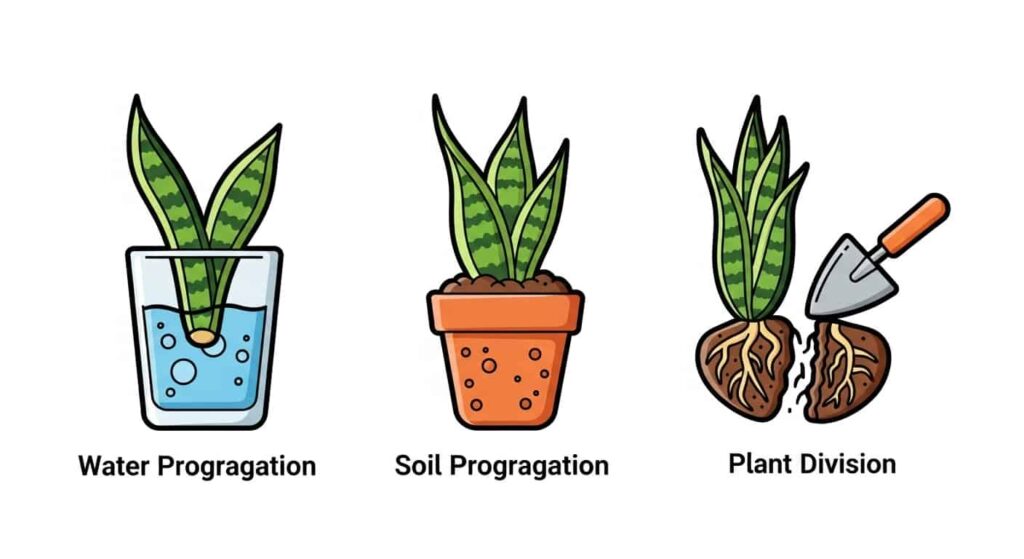
There are three popular ways to propagate snake plants, each with its own perks:
- Water Propagation – Watch roots grow in water before transferring to soil.
- Soil Propagation – Plant leaf cuttings directly in soil for a no-fuss approach.
- Division – Separate the root ball (rhizomes) to create new plants instantly.
Let’s break down each method step by step so you can choose the one that works best for you.
1. Propagating Snake Plants in Water
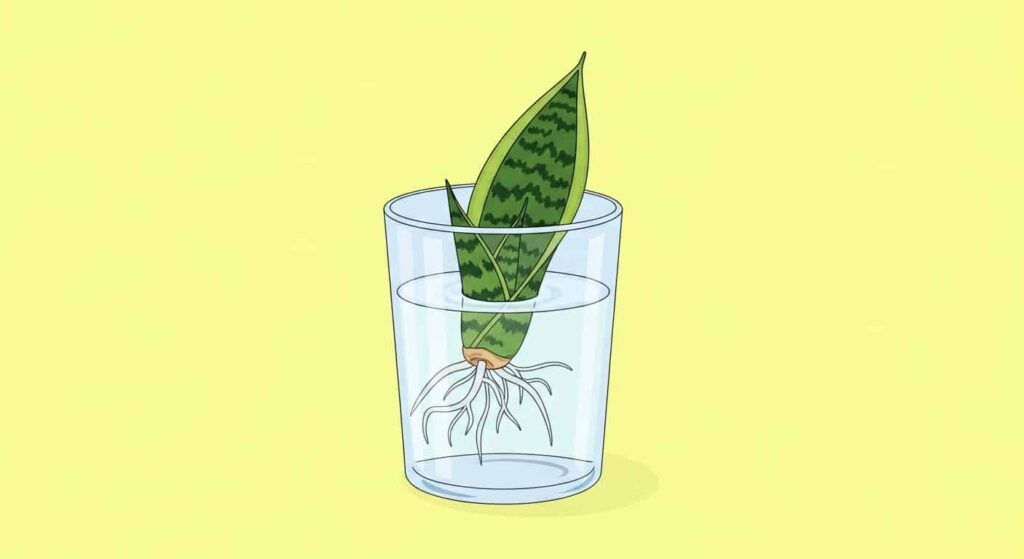
This method is perfect for beginners and plant enthusiasts who love watching roots grow. Here’s how to do it:
What You’ll Need:
- A sharp knife or pruning shears
- A glass or jar (like this one)
- Clean water
Step-by-Step Instructions:
- Choose a Healthy Leaf
Pick a mature, thick leaf without any damage. - Cut the Leaf Properly
Use clean, sharp tools like these pruning shears to cut the leaf near its base. For more plants, slice the leaf into 3–4 inch sections. - Place in Water
Submerge the bottom part of the cuttings in a glass of clean water. Keep the glass in indirect sunlight. - Transplant to Soil
Once roots are a few inches long, transfer the cuttings to a pot with well-draining soil.
Watching the roots grow is incredibly satisfying, and this method is a great way to get started with propagation.
2. Propagating Snake Plants in Soil
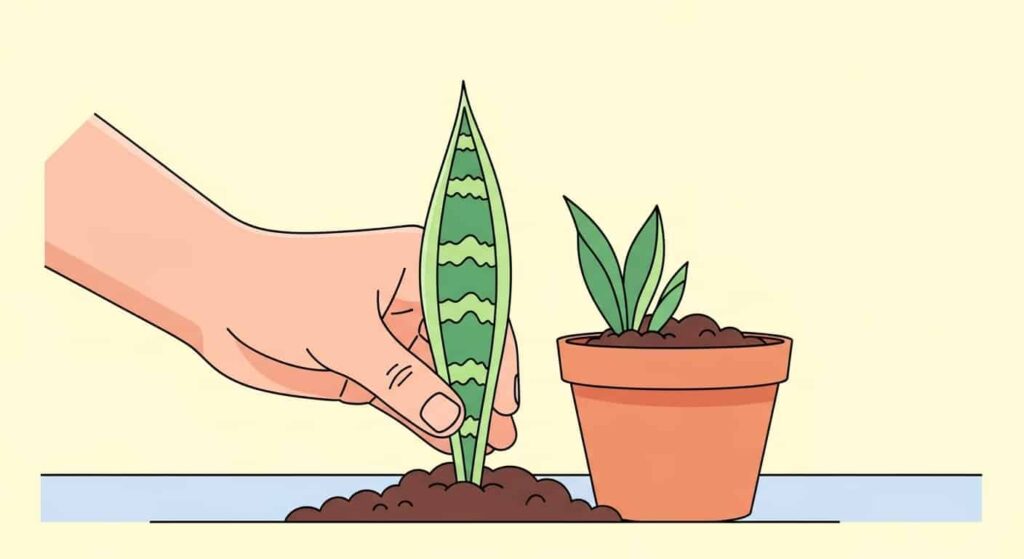
If you want to skip the water stage, you can plant leaf cuttings directly in soil. This method often results in stronger plants since they adapt to soil right away.
What You’ll Need:
- A sharp knife or pruning shears
- Well-draining soil (like cactus or succulent mix)
- A pot with drainage holes (try this stylish pot)
Step-by-Step Instructions:
- Select and Cut a Leaf
Choose a healthy, mature leaf and cut it near the base. Slice it into smaller sections if you want multiple plants. - Let the Cutting Callous
Leave the cuttings out for 1–2 days to let the ends dry and form a callous. This prevents rot when planted. - Plant in Soil
Stick the calloused end into a pot filled with well-draining soil. Make sure the bottom end (the part near the roots) goes into the soil. - Provide Proper Care
Place the pot in indirect light and water sparingly. Over time, roots will grow, and new shoots will appear.
This method takes a bit longer than water propagation, but it’s reliable and great for building a strong root system.
3. Snake Plant Division Method

For instant results, dividing your snake plant is the fastest way to create new plants. This method works best if your plant has outgrown its pot.
What You’ll Need:
- A sharp knife or garden trowel
- Fresh well-draining soil
- New pots (check out these options)
Step-by-Step Instructions:
- Remove the Plant from Its Pot
Gently take your snake plant out of its pot and shake off excess soil. - Identify Natural Divisions
Look for clusters in the root ball that can be separated. Each section should have both roots and leaves. - Divide and Replant
Carefully cut or pull apart the rhizomes into sections. Replant each section in its own pot with fresh soil. - Care for the New Plants
Water lightly and place the pots in bright, indirect light.
This method is perfect for creating full-sized plants quickly and is ideal for beginners.
Aftercare Tips for Healthy Snake Plants

No matter which propagation method you choose, proper aftercare is key to helping your new plants thrive. Here are some tips:
Patience
Propagation takes time! Leaf cuttings can take weeks or even months to show new growth.
Watering
Water sparingly and let the soil dry out completely between waterings. Overwatering can lead to root rot.
Light
Place your plants in bright, indirect light. While snake plants can tolerate low light, good light helps them grow faster.
Temperature & Humidity
Keep your plants in a warm environment (65–85°F). Avoid cold drafts or sudden temperature changes.
Soil & Drainage
Use well-draining soil and pots with drainage holes to prevent water buildup.
Conclusion
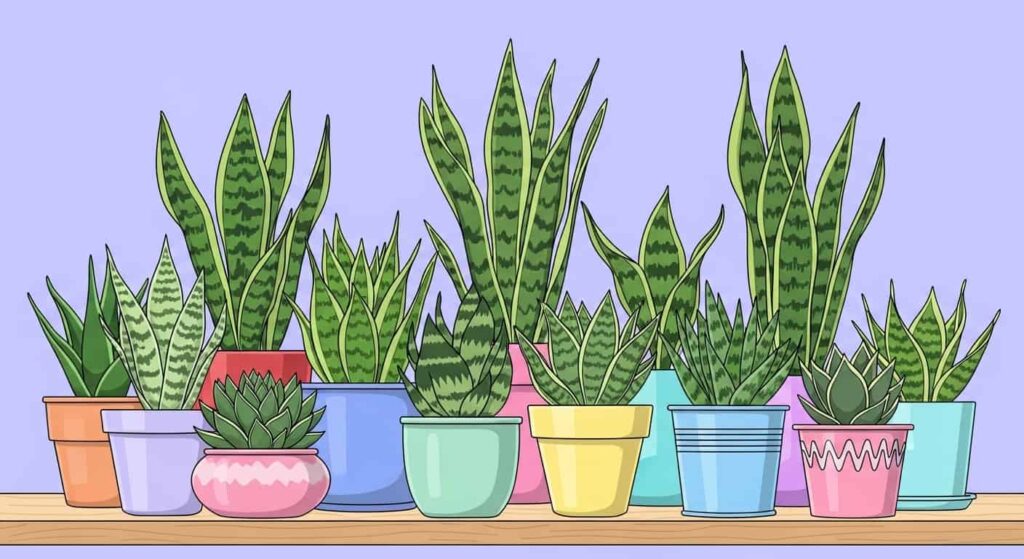
Propagating snake plants is a fun, budget-friendly way to grow your indoor garden. Whether you choose water propagation, soil propagation, or division, each method is simple and rewarding.
Ready to get started? Grab your tools, pick your method, and watch your plant family grow. Don’t forget to check out these must-have propagation supplies to make the process even easier.
With a little patience and care, you’ll have a thriving collection of snake plants in no time. Happy propagating!