

Snake plants are tough. That’s why so many people love them. You might know them as Sansevieria or mother-in-law’s tongue. You don’t have to be a plant expert to keep one alive because they are famous for being low maintenance.
However, there is one factor that dictates whether your plant merely survives or truly thrives: light. Get the lighting wrong, and they start looking sad. If you want your snake plant to grow faster and look better, it all comes down to understanding snake plant light requirements.
So, let’s answer the big question right away: how much light does a snake plant need? Ideally, snake plants thrive in steady, bright, indirect light. While they are incredibly adaptable and can survive in low light conditions, they perform best when they receive plenty of filtered sunlight. They can tolerate some direct sun and deep shade, but moderation is key for optimal health.
This guide covers everything you need to know about how much light do snake plants need, dealing with snake plant direct sunlight, and mastering indoor placement. By the end, you’ll be an expert on making your Sansevieria flourish.
Do Snake Plants Need Light? The Basics Explained
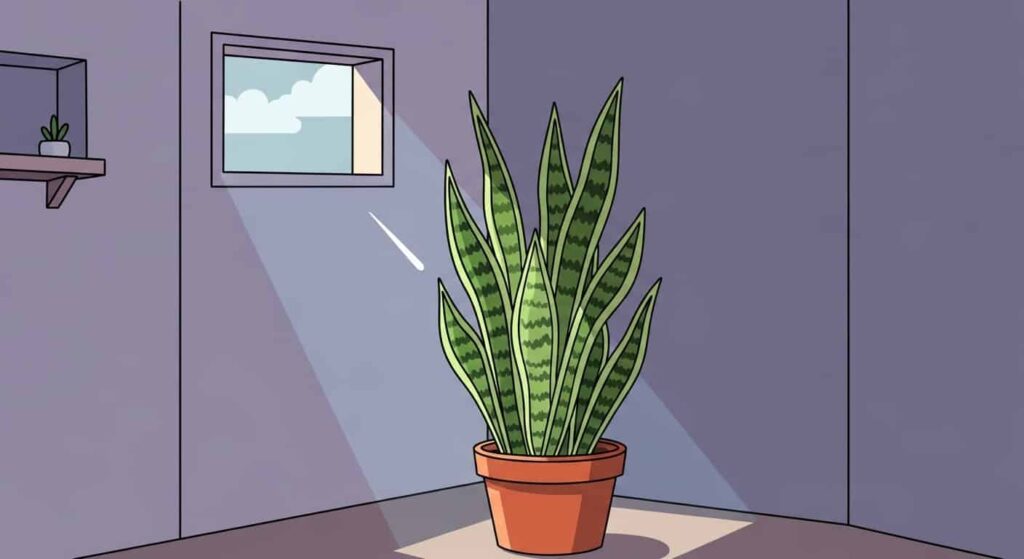
A common myth is that snake plants don’t need light at all. So, do snake plants need light? Yes, absolutely. Like all plants, they require light for photosynthesis to produce energy.
While they are incredibly adaptable, snake plant light needs are often misunderstood. You can stick them in a dark corner, and they will hang on for a long time. This is why you see snake plant in low light environments like offices and windowless bathrooms. But here is the catch: low light slows them down significantly. In deep shade, they won’t grow much, and their leaves might fade and lose that cool, sharp look.
So, do snake plants need sunlight to thrive? Yes. They prefer bright, indirect light the best. This balance helps them maintain healthy, strong leaves and vibrant patterns. If you completely deprive a snake plant no sunlight, it will eventually weaken and die.
How Much Light Do Snake Plants Need?
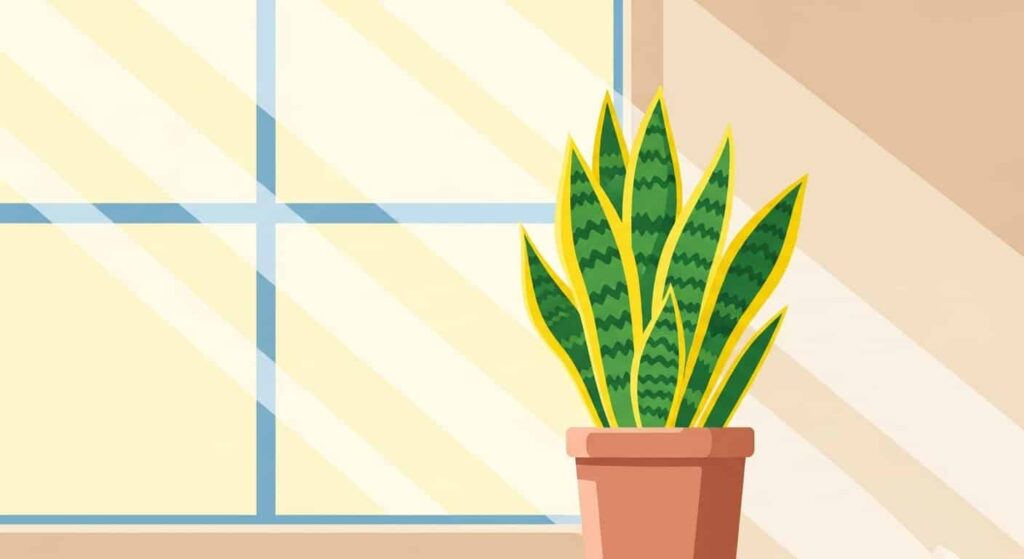
If you are asking, “how much light do snake plants need?” the answer depends on your goals for the plant. Do you want it to just sit there and look green, or do you want it to push out new leaves and grow tall?
- Optimal Growth: Place them in bright, indirect light. An east-facing window is often perfect.
- Survival Mode: They can handle low light, but growth will be minimal.
- Too Much Sun: Snake plant direct sunlight can be harmful if it’s too intense.
Direct Sunlight vs. Indirect Sunlight
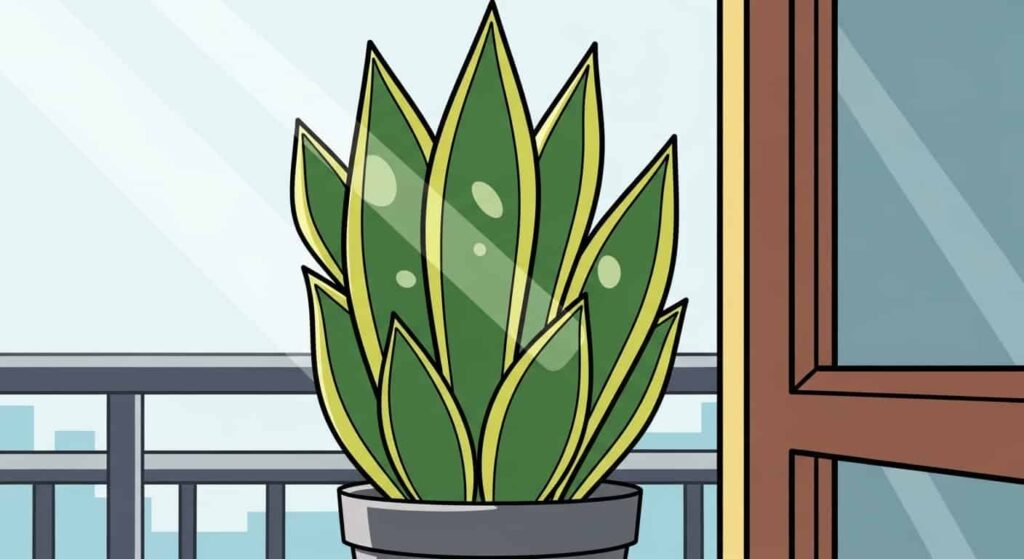
Understanding the difference between direct and indirect light is crucial for snake plant lighting.
- Direct Sunlight: This is when the sun’s rays hit the plant’s leaves directly without any barrier. Think of a south-facing window at noon. Can snake plants be in direct sunlight? Yes, but usually only for a few hours in the morning or late afternoon. Do snake plants like direct sunlight for 8 hours a day? No, that is usually too intense and will scorch them.
- Indirect Sunlight: This is light that has been filtered. It could be sunlight passing through a sheer curtain or light that bounces off a wall. This is the best lighting for snake plant health. Snake plant indirect sunlight mimics their natural habitat where they grow under the canopy of larger trees.
Can Snake Plants Be in Direct Sunlight?
Many owners worry, “can snake plants be in direct sunlight?” The answer is yes, but with caution.
Do snake plants need direct sunlight? They don’t need it, but they can tolerate it better than many other houseplants. A few hours of snake plant sun in the morning is actually beneficial. However, intense afternoon sun can scorch the leaves, causing permanent burns.
If you are placing your snake plant in direct sunlight, monitor it closely. If the leaves start turning white or crispy, move it back to a shadier spot. Can snake plants take full sun outdoors? Only if you acclimate them slowly. If you move a plant from a dark corner straight to a sunny patio, it will go into shock.
Snake Plant Low Light Tolerance
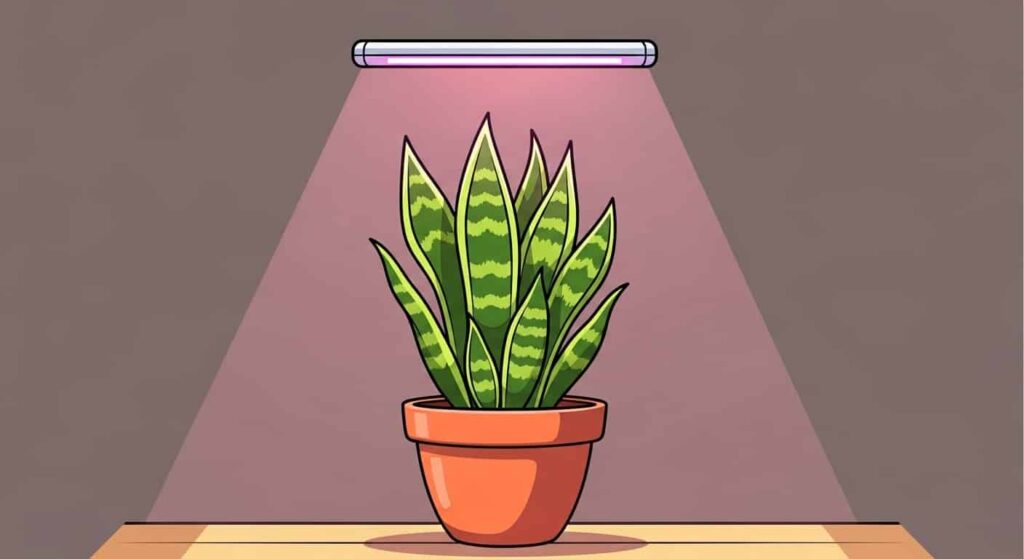
On the flip side, can snake plants live in low light? Yes, they are one of the best plants for it. Snake plant low light tolerance is legendary. This makes them perfect for corners of the room that don’t get hit by the sun’s rays.
However, “low light” doesn’t mean “no light.” Snake plant no light situations will eventually kill the plant. If a room has no windows, you must use artificial lighting.
Can snake plant grow in low light? “Grow” is a strong word here. In low light, a snake plant will exist. It will maintain its shape and color for a long time, but it likely won’t produce new leaves very often. If you want active growth, you need to bump up the light levels.
Indoor Light Requirements: Room by Room
Finding the perfect spot involves understanding snake plant light requirements indoors. Here is a quick guide to placing your plant in different rooms.
The Bright Living Room (High Light)
If you have a room with big south or west-facing windows, this is a high-light area.
- Placement: Keep the plant a few feet away from the window to avoid harsh noon sun.
- Result: You will see the fastest growth here. Snake plant sunlight requirements are easily met, and the plant will likely need more water because it is photosynthesizing actively.
The Bedroom or Office (Medium Light)
East-facing windows or the center of a well-lit room provide medium light.
- Placement: Anywhere in the room is usually fine.
- Result: This is the “sweet spot.” Snake plant lighting needs are perfectly balanced. The plant grows steadily without risk of burning.
The Bathroom or Hallway (Low Light)
Small windows or north-facing windows provide low light.
- Placement: You can place the plant right on the windowsill to maximize what little light there is.
- Result: The plant will survive and look good, but don’t expect it to get taller quickly. Can snake plants survive in low light here? Yes, absolutely.
Using Grow Lights for Snake Plants
If you lack natural windows, or if it’s the dead of winter, grow lights for snake plants are an excellent solution.
Do snake plants like grow lights? Yes, they respond very well to them. An LED grow light for snake plant setups can simulate the sun effectively.
Best Grow Light Practices
- Type: Full-spectrum LED lights are the best grow light for snake plants. They provide the cool and warm light spectrums needed for foliage growth.
- Duration: Aim for 10 to 12 hours of exposure if the plant relies entirely on artificial sources. This ensures your snake plant artificial light setup provides enough energy.
- Distance: Keep the light about 12-18 inches above the plant to prevent heat damage while ensuring the light intensity is sufficient.
Can snake plants grow in artificial light alone? Yes. Many offices use snake plant under grow light setups or even just standard fluorescent office lighting, and the plants survive for years.
Signs Your Snake Plant Isn’t Getting Enough Light
How do you know if you are failing to meet snake plant light needs? The plant will tell you.
- Leggy Growth: If the leaves start stretching out and becoming thin and weak, the plant is reaching for the light.
- Loss of Pattern: Many snake plants have beautiful variegation (stripes). In snake plant low light conditions, these patterns can fade, and the leaf becomes a solid, dull green.
- Stunted Growth: If spring and summer pass and you see zero new leaves, the plant is just barely surviving.
- Leaning: The plant will lean noticeably toward the nearest light source.
Signs It’s Getting Too Much Sun
While snake plants need sunlight, too much of a good thing is dangerous. Here is what happens when snake plant sun exposure is too high.
- Scorched Leaves: Look for brown, crispy patches on the leaves. This is essentially a sunburn.
- Bleached Color: If the vibrant green turns pale or white, the snake plant sun intensity is bleaching the chlorophyll.
- Dry Soil: While snake plants like dry soil, if it dries out in hours, the heat from the sun is too intense.
Can snake plant tolerate direct sunlight if it shows these signs? No. Move it immediately to a spot with snake plant indirect sunlight.
Comparison: Sun vs. Shade vs. Artificial Light
Let’s break down the performance of a low light snake plant versus one in the sun.
| Feature | Snake Plant Sun (Indirect) | Snake Plant Shade (Low Light) | Artificial Light |
|---|---|---|---|
| Growth Speed | Fast. Expect multiple new leaves per year. | Slow to Stagnant. Might grow 1-2 leaves a year. | Moderate. Depends on the intensity of the light. |
| Watering Needs | High. Soil dries faster. | Low. Soil stays wet longer; risk of root rot increases. | Moderate. Consistent schedule required. |
| Leaf Color | Vibrant, high contrast patterns. | Darker green, patterns may fade. | Good color if using full-spectrum lights. |
| Risk Factor | Sunburn if moved to direct sun too fast. | Root rot from overwatering. | Neglect. Easy to forget to turn lights on/off. |
When considering snake plants sun or shade, the winner for health is bright, indirect sun. The winner for convenience is shade.
Practical Tips for Perfect Lighting
To ensure you meet the snake plant light requirement without stress, follow these tips:
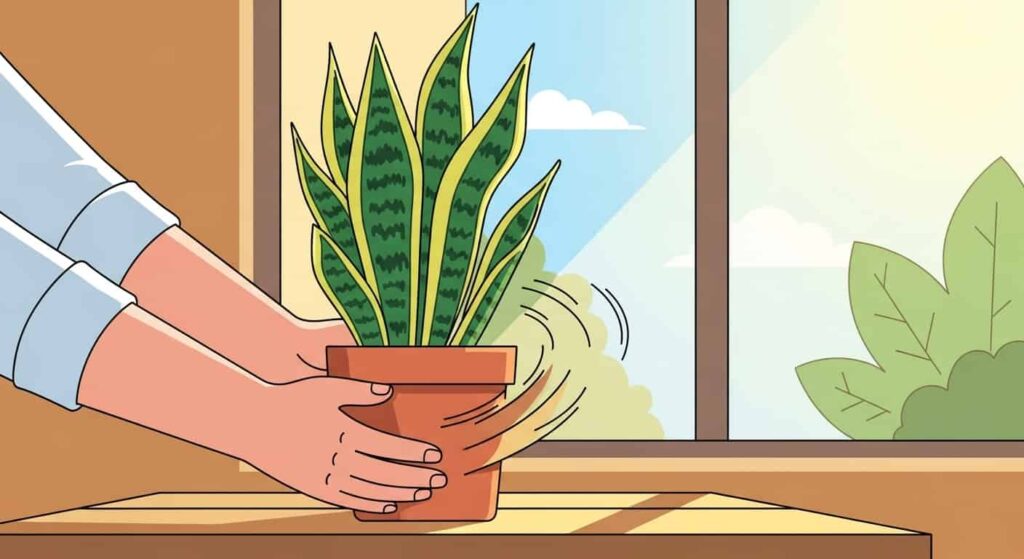
- Rotation: Does snake plant need sun on all sides? Yes. Rotate your pot a quarter turn every time you water it. This prevents the plant from leaning toward the window.
- Dusting: Dust blocks light. Wipe the leaves down with a damp cloth so the plant can absorb snake plant sunlight efficiently.
- Acclimatization: If you want to move your plant to a brighter spot, do it gradually over two weeks. Can snake plants take direct sunlight? Only if introduced to it slowly.