
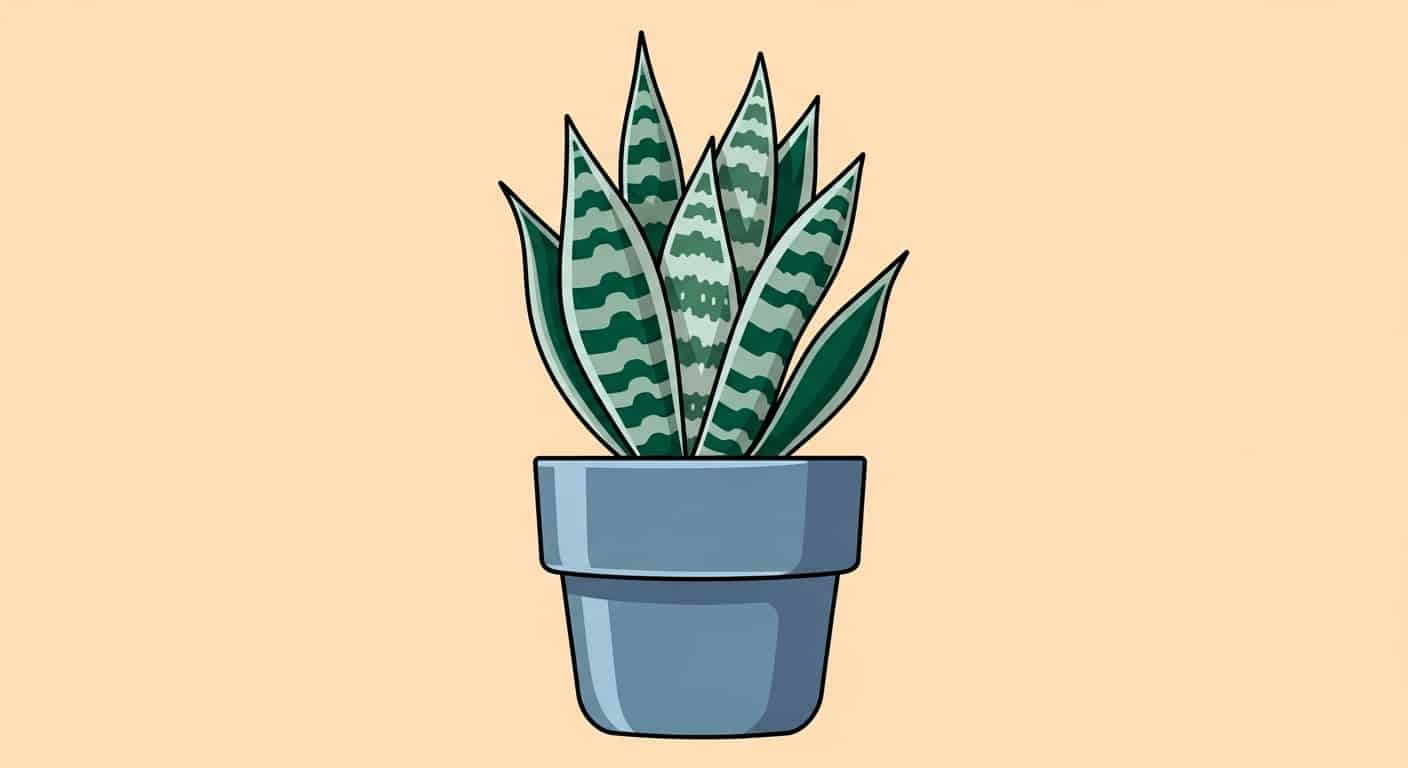
Everything You Need to Master Sansevieria Robusta Care

The Snake Plant is legendary for being one of the easiest houseplants to grow, requiring minimal attention while offering maximum style. Among the many varieties, the “Robusta” stands out for its thick, silvery-green leaves and compact, bold silhouette.
Whether you are a busy professional or a beginner gardener, mastering sansevieria robusta care is the key to a thriving, air-purifying indoor companion.
Botanical Background: What is a Robusta?

Technically classified today as Dracaena trifasciata ‘Robusta’, most enthusiasts still look for information using the name sansevieria robusta care. This plant is a compact cultivar of the common Mother-in-Law’s Tongue, native to the rocky, dry regions of West Africa.
- Growth Habit: It grows in a rosette form, meaning leaves spiral outward from a central point.
- Appearance: Shorter and wider than standard snake plants, featuring a stunning mix of deep green and silvery-gray tiger stripes.
Did You Know? The Robusta is prized for its “stout” nature. It stays between 12 to 18 inches tall, making it the perfect “mid-sized” snake plant—larger than the Bird’s Nest but smaller than the tall Laurentii.
Top Benefits of Growing a Robusta

Beyond its modern look, this plant is a powerhouse for your home:
- Air-Purification: Like all Sansevierias, it helps filter indoor toxins. According to NASA research, these plants are excellent at removing formaldehyde and benzene from the air.
- Nighttime Oxygen: It releases oxygen at night, making it an ideal plant for bedrooms.
- Drought Tolerant: It can survive weeks without water, making it a “vacation-friendly” plant.
Essential Sansevieria Robusta Care Requirements

To keep your Robusta healthy and stylish, follow these four pillars of care:
A. Light: From Sun to Shade
The Robusta is incredibly versatile. It thrives in bright, indirect light but is famous for its ability to handle low-light corners.
- Avoid: Prolonged direct afternoon sun, which can “bleach” the beautiful silver patterns on the leaves.
B. Watering: The “Less is More” Rule
If you want to succeed with sansevieria robusta care, you must avoid overwatering.
- Frequency: Water only when the soil is 100% dry (usually every 2–3 weeks).
- Winter Care: Reduce watering to once a month during the dormant winter season.
C. Soil and Drainage
Always use a well-draining cactus or succulent mix. These plants hate “wet feet,” so ensure your pot has a drainage hole to prevent root rot.
D. Temperature and Humidity
The ideal range is 60–85°F (16–29°C). Since it is native to dry regions, it does not require extra misting or high humidity.
Expert Tip: Use filtered water or let tap water sit out for 24 hours before watering. Snake plants can sometimes be sensitive to fluoride, which causes brown tips on the leaves.
Propagation: Growing New Robusta Plants

You can easily grow new plants using two methods, ideally during the spring or summer:
- Division: Gently pull the root clumps apart when repotting. This ensures the new “pups” keep the exact silver-green pattern of the parent.
- Leaf Cuttings: You can root a leaf in soil or water, though be aware that the new growth might lose some of the specific “Robusta” variegation.
Troubleshooting Common Issues

Even with easy sansevieria robusta care, problems can arise:
- Mushy Bases: A sign of overwatering. Let the soil dry completely and check for root rot.
- Yellow Leaves: Usually caused by soggy soil or extremely low light.
- Pests: Wipe leaves with a damp cloth and neem oil if you see white cottony spots (mealybugs).
Safety Warning for Pet Owners

Like most Sansevieria varieties, the Robusta contains saponins. According to the ASPCA
, it is mildly toxic to cats and dogs if ingested. Place your stylish plant on a high shelf or desk out of their reach.
FAQs: Sansevieria Robusta Care
How tall does a Snake Plant Robusta grow?
It typically reaches 12 to 18 inches, staying much more compact than standard 4-foot varieties.
Does sansevieria robusta care require frequent fertilizing?
No. You only need to feed it once a month during the spring and summer growth periods with a diluted liquid fertilizer.
Why are the tips of my Robusta turning brown?
This is usually due to inconsistent watering or chemical buildup from tap water. Try using filtered water and ensuring the soil dries out fully between drinks.
Can it survive in a bathroom with no windows?
While it is hardy, no plant can survive in total darkness forever. It will need some artificial light or a move to a brighter room occasionally to stay healthy.