
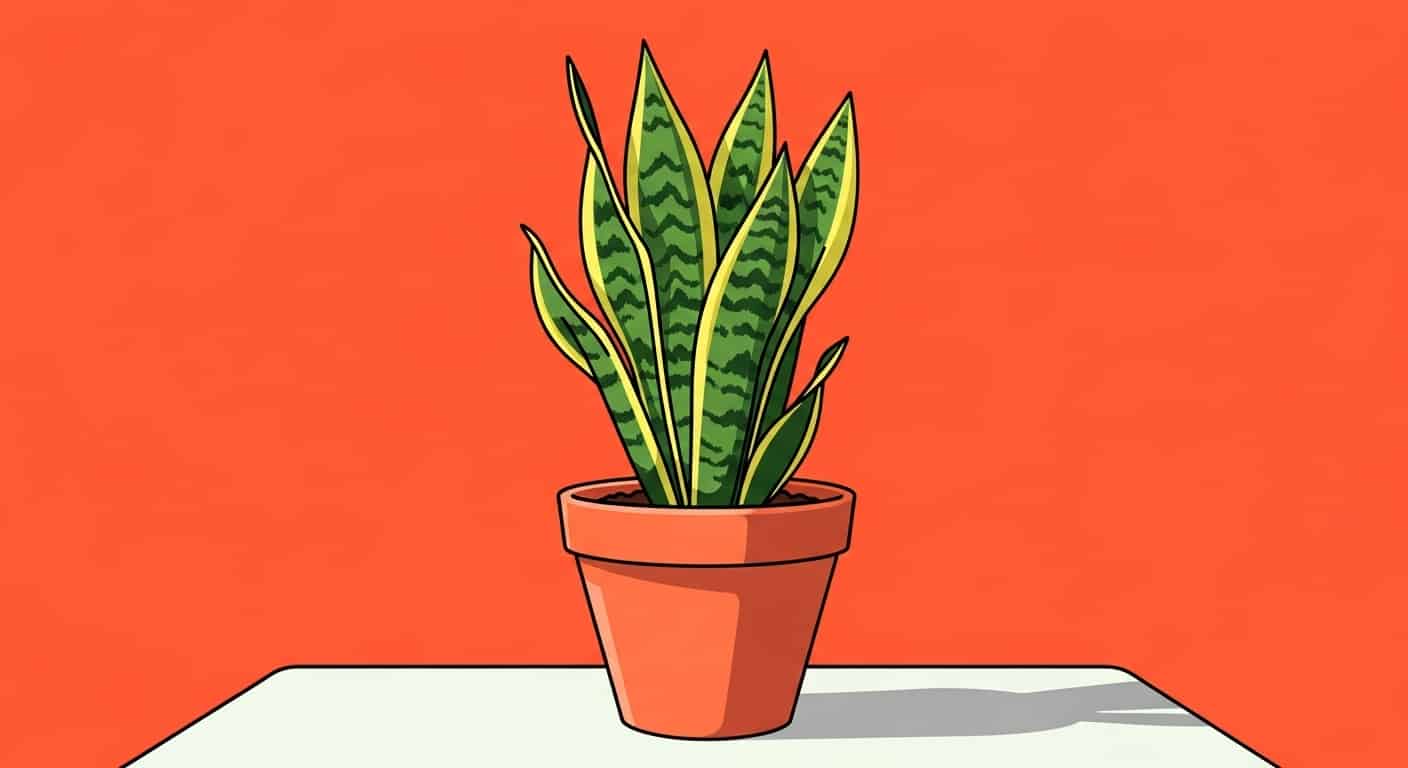
Snake plants are some of the toughest houseplants you can bring into your home. You might know them as Sansevieria or mother-in-law’s tongue. They are famous for being low-maintenance, handling low light like champions, and surviving without frequent watering.

But even the toughest plants need a little help sometimes. To keep your green friend looking fresh, you need to know a few key maintenance skills. Understanding snake plant when to repot, how to divide a root bound snake plant, and the right way to trim a snake plant can make all the difference between a surviving plant and a thriving one.
In this guide, we’ll walk through everything you need to know to maintain a healthy snake plant root system. From choosing the right plant pot for snake plant varieties to mastering propagation, follow these simple steps to build a thriving collection at home.
When to Repot a Snake Plant
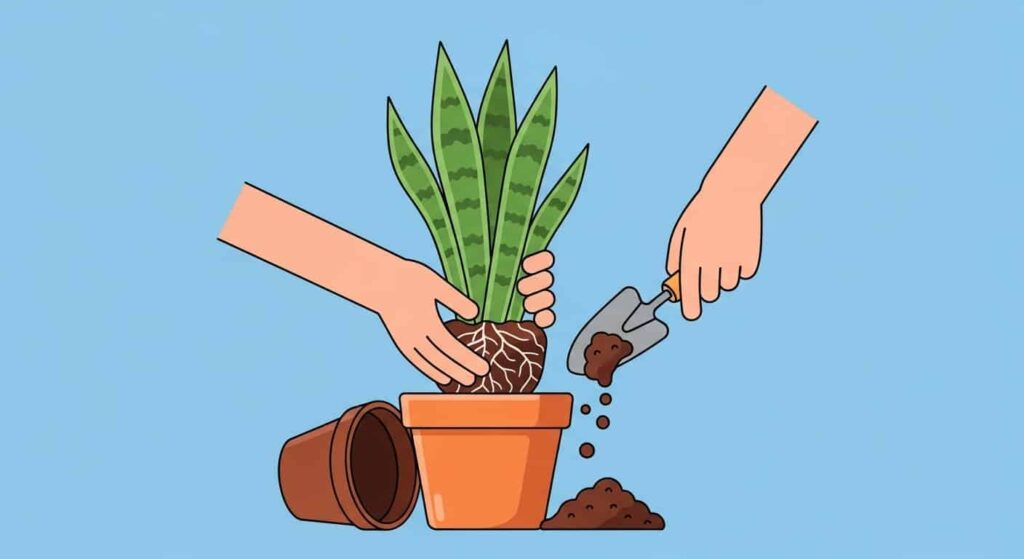
Want your snake plant in a pot to stay happy for years? Knowing the right time to move it to a new home is crucial. While these plants are hardy, their snake plant root ball and underground stems (rhizomes) can get crowded over time.
If they stay packed in a pot for too long, your plant might stop growing. So, how do you know it’s time for snake plant potting?
Signs Your Snake Plant Is Root Bound
A common question new owners ask is: does snake plant like to be root bound? The answer is yes, to an extent. They prefer a snug fit, which often encourages them to bloom. However, there is a limit. If the snake plant root bound situation gets too extreme, the plant will suffer.
Watch for these signs:
- Roots circling the bottom: If you see roots poking out of the drainage holes, it’s time.
- Deformed pots: A plastic pot might bulge, or a clay pot might crack from the pressure of the growing rhizomes.
- Fast-drying soil: If the water runs straight through because the pot is mostly roots and very little soil snake plants need, you need to upgrade.
- Crowded growth: If the leaves look packed tight and growth has stalled, the plant needs space.
The best time to repot is in spring or early summer when the plant is actively growing.
Choosing the Right Pot and Soil
When you upgrade, don’t go too big. A large snake plant pot that is too massive for the root ball can lead to root rot because the excess soil holds too much moisture. Pick a new pot that is just 1–2 inches wider than the old one.
Crucially, does snake plant need drainage? Absolutely. Never plant them in a container without holes.
For the soil, you need excellent drainage. A standard potting mix is often too heavy. Instead, use a specific succulent soil for snake plant varieties. You can also make your own mix by combining standard potting soil with perlite for snake plant aeration. This creates a loose, sandy texture often referred to as cactus snake plant soil, which mimics their natural arid environment.
How to Divide and Split a Snake Plant
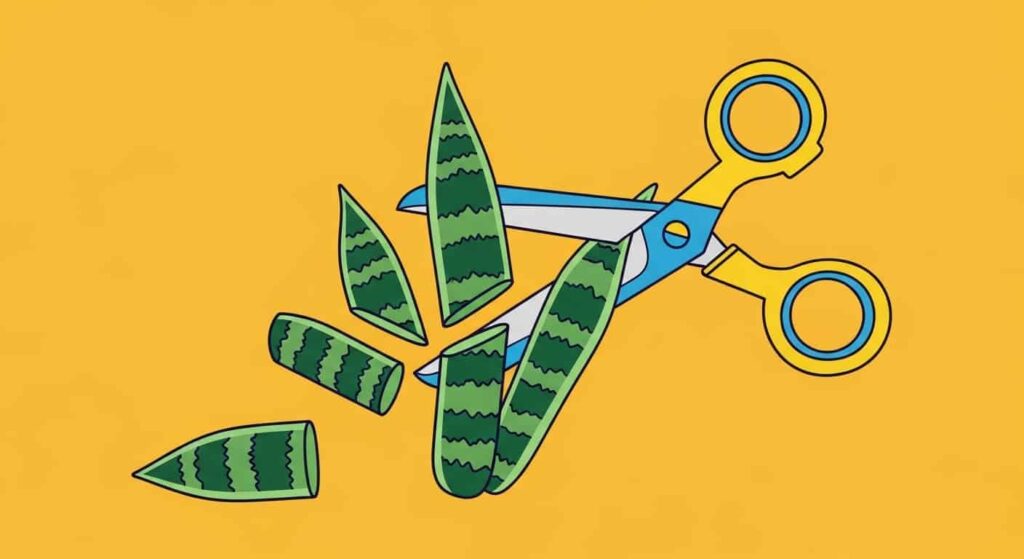
Is your snake plant big and taking over its corner? Dividing it is a fantastic way to manage its size while expanding your collection for free.
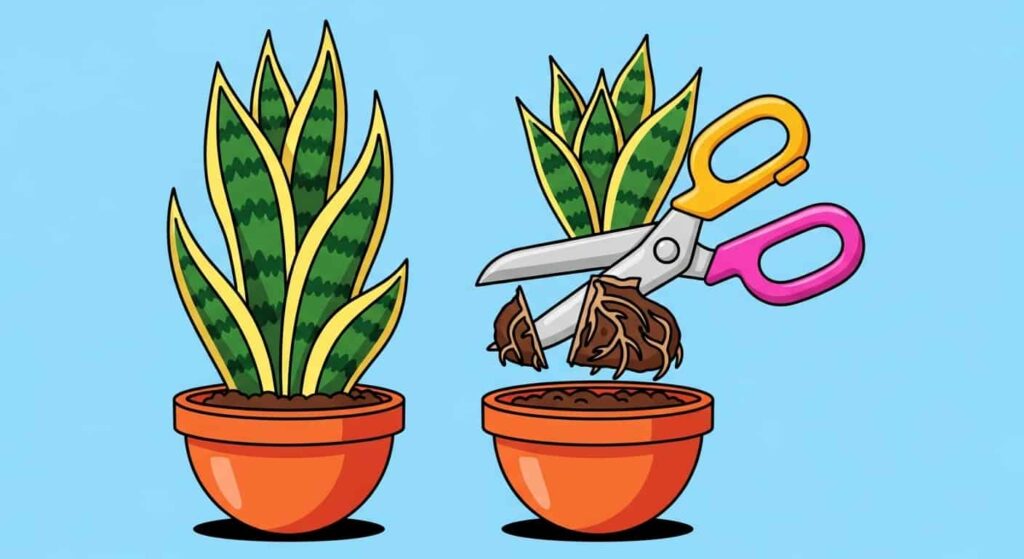
Snake plant split techniques are reliable because you are separating sections that already have established root systems. This stops the pot from getting overcrowded and helps your large Sansevieria grow healthier.
Step-by-Step Division
- Remove the plant: Gently take the plant out of its pot.
- Inspect the roots: Shake off the old soil so you can see the snake plant rhizomes. These are the thick, potato-like underground stems that connect the leaves and roots.
- Cut the rhizomes: Use a sharp, clean knife or garden shears. Cut through the rhizomes to separate the plant into smaller sections. Ensure every section has at least one healthy leaf fan and a portion of roots.
- Repot: Plant each section in its own pot using fresh snake soil.
- Water lightly: Let the snake plant root system settle for a few days before a full watering.
How to Separate Snake Plant Pups
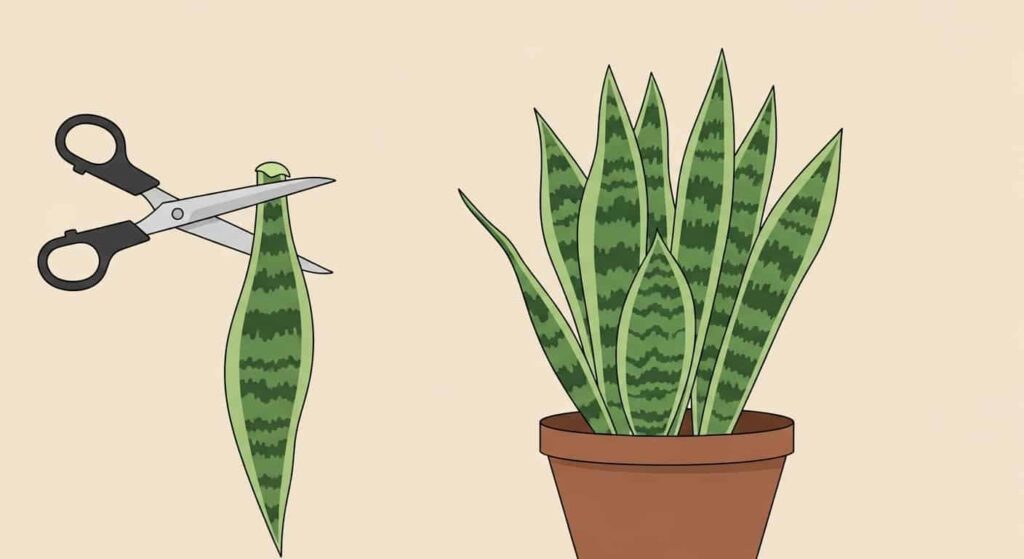
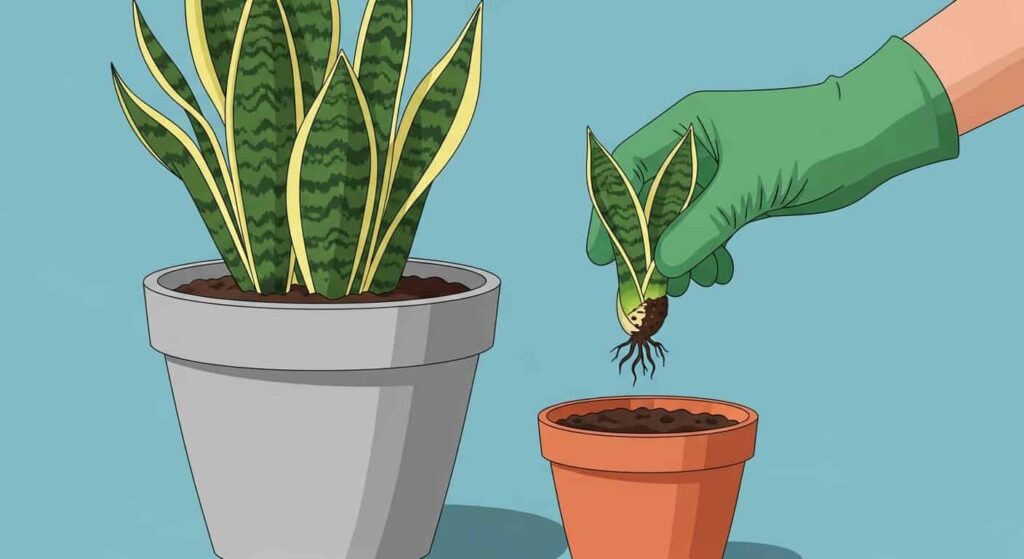
If you don’t want to uproot a massive plant, you can look for snake plant pup growth. Pups are baby plants that pop up naturally at the base of the mother plant.
Separating them is one of the easiest ways to propagate. Wait until the pup has at least 3 or 4 healthy leaves and its own developing roots.
To separate them, you may need to unpot the parent plant slightly to find where the pup connects to the main snake plant rhizomes. Cut the connection with a sharp knife, ensuring the pup keeps its roots. Pot the little one in a small container with succulent soil for snake plant growth.
Trimming Snake Plant Leaves for Maintenance

Sometimes your plant doesn’t need a new pot—it just needs a haircut. Trimming snake plant leaves keeps the plant looking neat and removes damage. But can you trim snake plants without hurting them? Yes, if you do it correctly.
When and How to Prune Snake Plants
You might need to trim if you have super tall snake plant leaves that are flopping over, or if leaves are brown, yellow, or mushy.
How to trim snake plant leaves properly:
- Select the leaf: Identify the damaged or unruly leaf.
- Use sterile tools: Clean your shears to prevent infection.
- Cut at the base: For aesthetic maintenance, cut the leaf as close to the soil line as possible. This is better than cutting the tip, which leaves a blunt, unnatural edge.
If you are dealing with a giant snake plant or large snake plant varieties, removing the oldest, tallest leaves can rejuvenate the look of the plant and allow light to reach smaller leaves.
Should You Cut Drooping Leaves?
If leaves are drooping due to rot (usually from overwatering), you must cut them off immediately to stop the spread of disease. If they are just bent from being top-heavy or underwatered, you can try to stake them, but often pruning a snake plant leaf that is permanently bent is the best option for the plant’s appearance.
Frequently Asked Questions
When should I repot my snake plant?
You should tackle snake plant potting every 2 to 3 years, or sooner if the plant is showing signs of being root bound (like roots cracking the pot). Spring or early summer is the ideal time.
Does snake plant like to be root bound?
Yes, they prefer a tight fit and often grow better when their roots are somewhat crowded. However, if the snake plant root bound condition becomes severe—where there is almost no soil left—growth will stop and the plant will suffer.
What size pot for snake plant is best?
When moving up, choose a pot that is only 1–2 inches wider in diameter than the current one. Snake plants in pots that are too large are prone to root rot because the excess soil stays wet for too long.
How long do snake plants live?
With proper care, how long does snake plant live? They are incredibly long-lived plants. It is not uncommon for a snake plant to live for 20 to 25 years, and some have been known to survive for 50 years or more!
Can I use succulent soil for snake plant?
Yes! A commercial cactus or succulent soil for snake plant varieties is perfect. It provides the fast drainage these plants require. You can improve drainage further by adding perlite for snake plant mixes.
How do I handle a super tall snake plant?
If you have a snake plant large enough to tip over, consider repotting it into a heavier ceramic or clay pot to provide a stable base. You can also prune the tallest leaves at the soil line to reduce height.
Can you trim snake plants just for style?
Yes, trim snake plant leaves that are growing awkwardly or disrupting the shape of the plant. Always remove the leaf at the base near the soil for the cleanest look.