
Last Updated on March 17, 2026 by Indoor Plant Nook
Root pruning is one of the most critical — and most intimidating — aspects of bonsai care. Done correctly, it encourages vigorous new growth, improves nutrient absorption, and keeps your tree in a healthy, balanced state for decades. Done with the wrong tools, it can tear roots, introduce infection, and set your tree back by an entire growing season.
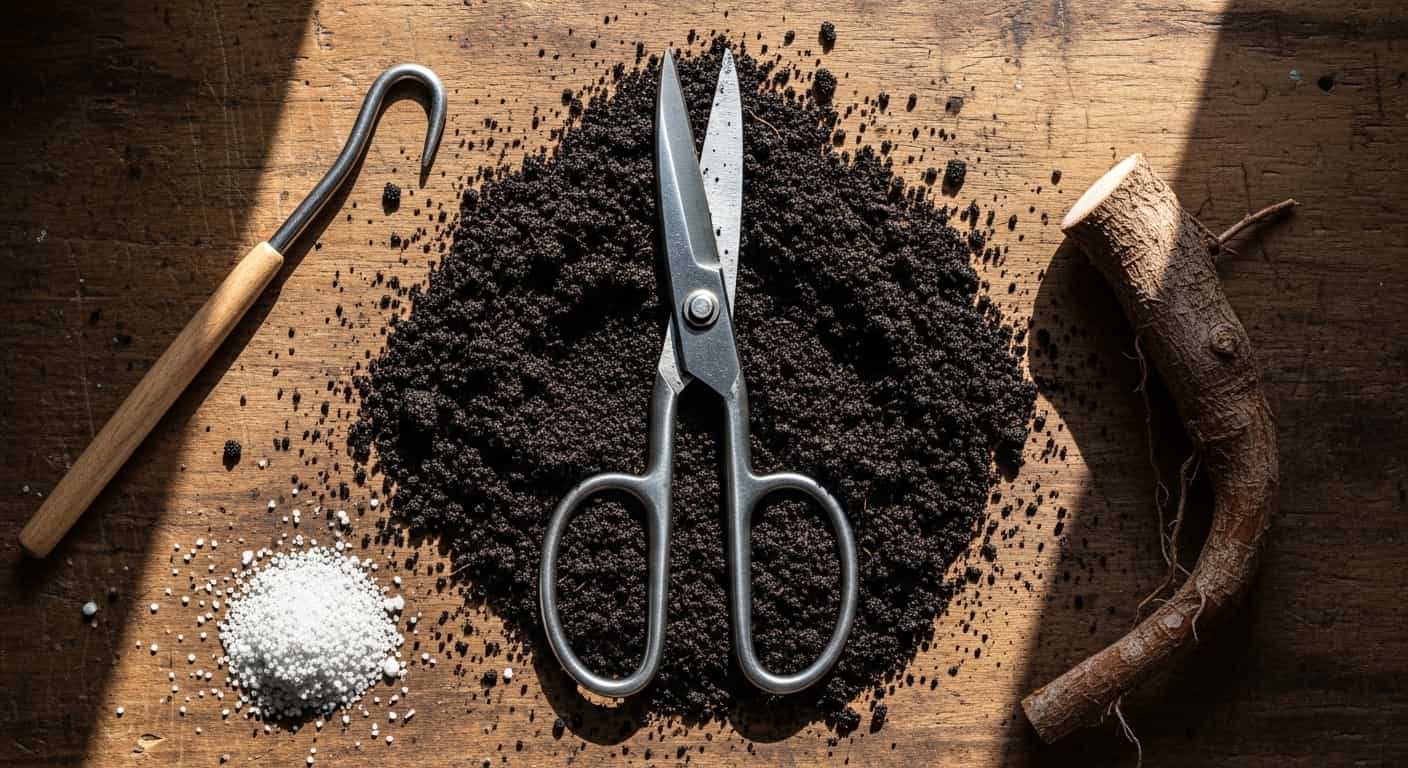
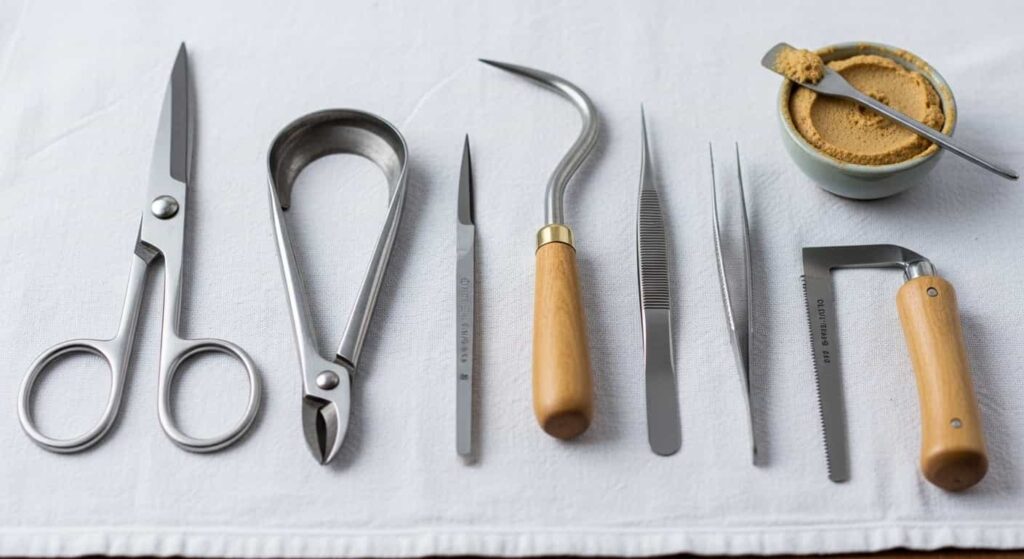
The good news? You don’t need a workshop full of equipment. You need the right tools, kept sharp and clean. This guide covers every tool used in bonsai root pruning, what each one does, when to use it, and what to look for when buying.
Why the Right Tools Matter for Root Pruning
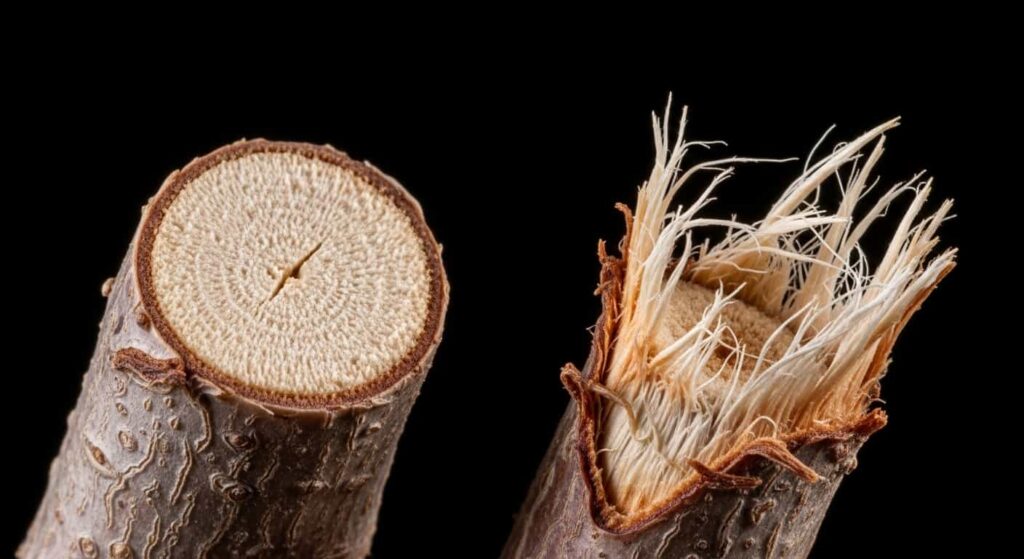
Bonsai roots are living tissue. Jagged cuts from dull or improper tools don’t just look bad — they create open wounds that take longer to heal and become entry points for fungal disease and rot. Precision tools make clean cuts that heal over quickly, protecting the tree and promoting new feeder root development.
Beyond cut quality, the right tools also reduce your physical effort. Working against the grain with the wrong instrument is tiring and slows you down during repotting windows, which are often time-sensitive in spring.
Essential Tools for Bonsai Root Pruning
1. Root Pruning Scissors (Root Scissors)
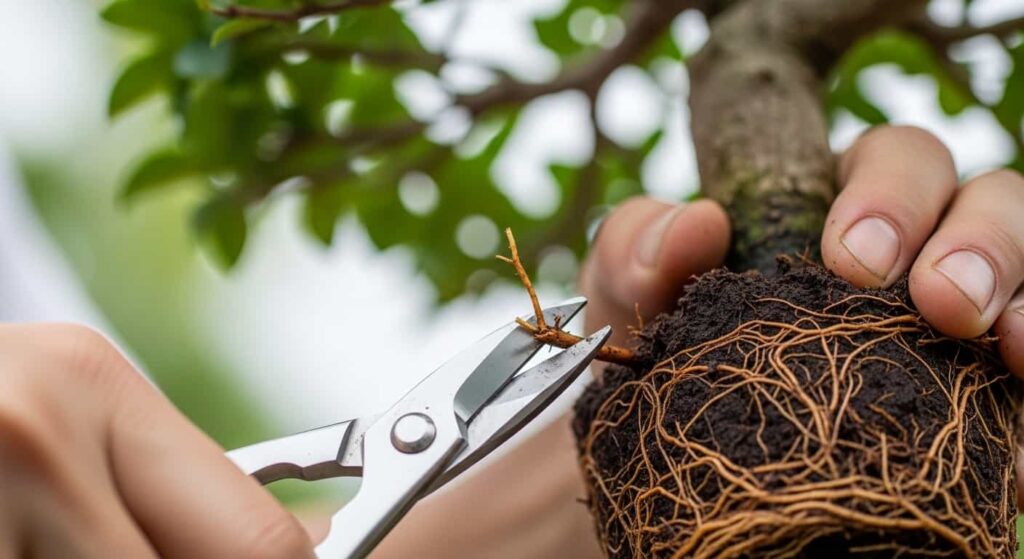
What they are: Heavy-duty bonsai scissors with thick, sturdy blades designed specifically for cutting roots rather than foliage.
Why you need them: Standard bonsai scissors used for leaf trimming are too delicate for root work. Root scissors have reinforced blades that can handle the fibrous, sometimes woody texture of older roots without bending or dulling quickly.
Best used for:
- Trimming fine feeder roots
- Cutting medium-thickness roots cleanly during repotting
- Tidying the root mass after removing it from the pot
What to look for: Stainless steel or carbon steel blades, a spring mechanism for reduced hand fatigue, and blades at least 55–65mm in length for adequate reach into the root ball.
2. Root Hook (Root Rake)
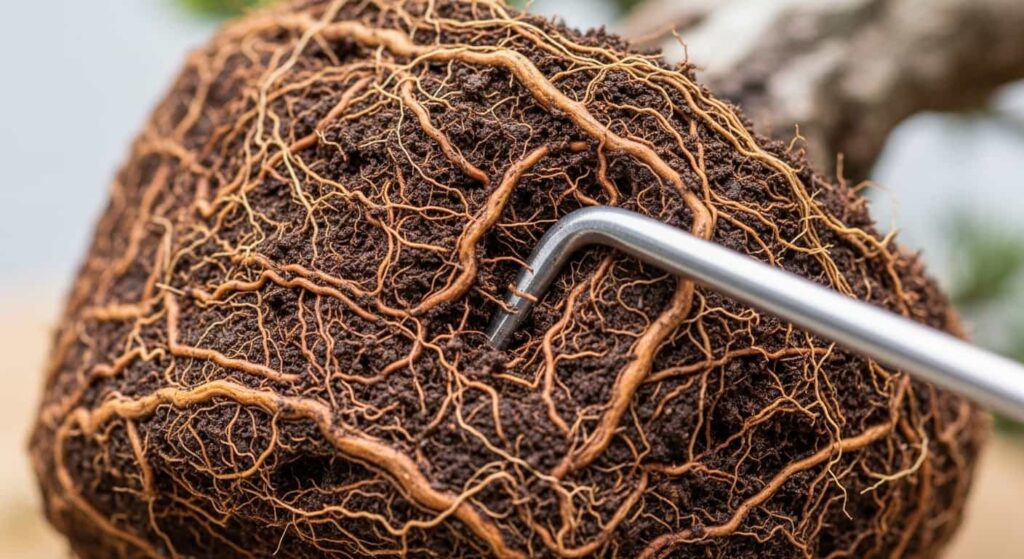
What it is: A metal tool with one or more curved tines used to tease apart and untangle roots without cutting them.
Why you need it: Before you can prune roots, you need to see them clearly. Roots compact into a dense mass inside the pot, and trying to cut blindly risks damaging healthy structural roots. The root hook lets you gently separate and expose individual roots for accurate work.
Best used for:
- Loosening compacted root balls before pruning
- Removing old soil from between roots
- Identifying circling or crossing roots that need removal
- Spreading roots evenly over fresh soil after repotting
Types available:
- Single-tine root hook — best for precision work on small trees
- Multi-tine root rake — faster for larger root masses
What to look for: A sturdy, non-flexing tine with a comfortable wooden or rubber handle. Cheap plastic tines bend and break under pressure.
3. Concave Branch Cutters (for Thick Roots)
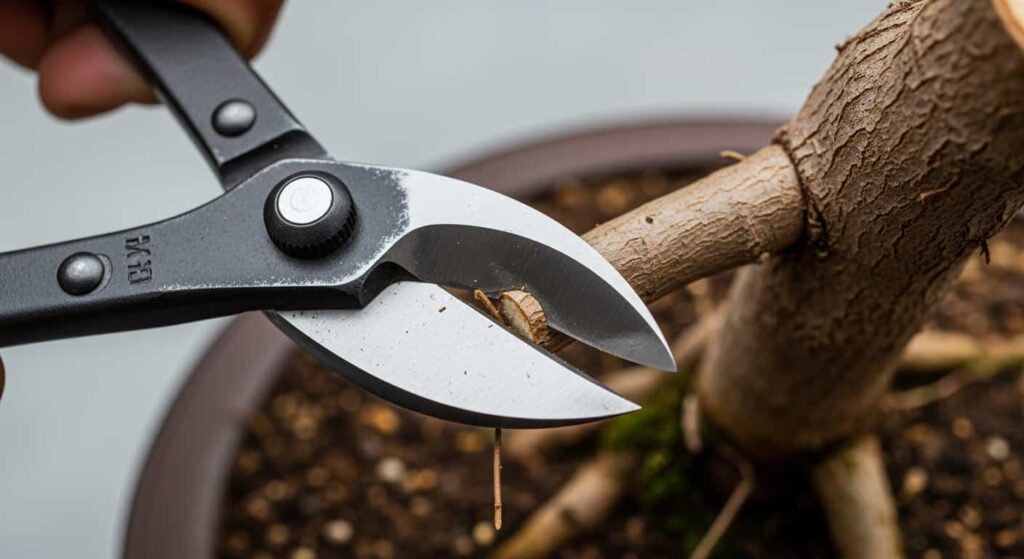
What they are: Specialized bonsai cutters with a curved, concave cutting head that creates a slightly hollow cut.
Why you need them: For roots thicker than roughly 5–6mm, standard scissors won’t create a clean cut. Concave cutters slice through thicker material in a single motion and leave a wound that heals with minimal visible scarring — the concave shape encourages the surrounding tissue to grow inward over the cut.
Best used for:
- Removing large tap roots
- Cutting surface roots that are oversized for the design
- Eliminating thick circling roots at the base of the trunk
What to look for: Forged stainless steel, tight blade alignment (no gap between the blades when closed), and a smooth spring return. Japanese-made concave cutters (brands like Masakuni, Kaneshin, or Yoshiaki) hold an edge significantly longer than budget alternatives.
4. Root Pruning Saw (Bonsai Root Saw)
What it is: A small, narrow-bladed, serrated saw designed to cut through very thick or woody roots.
Why you need it: Some older bonsai — especially collected trees (yamadori) or those left in the same pot too long — develop roots that are simply too thick for any cutter. A root saw handles what scissors and concave cutters cannot.
Best used for:
- Cutting through trunk-base roots during initial collection
- Dividing an overgrown root mass when repotting a severely pot-bound tree
- Removing dead or rotted woody root sections cleanly
What to look for: A pull-cut saw (cuts on the pull stroke) gives more control in tight spaces. A blade length of 15–20cm is sufficient for most bonsai work.
5. Chopstick or Dibber
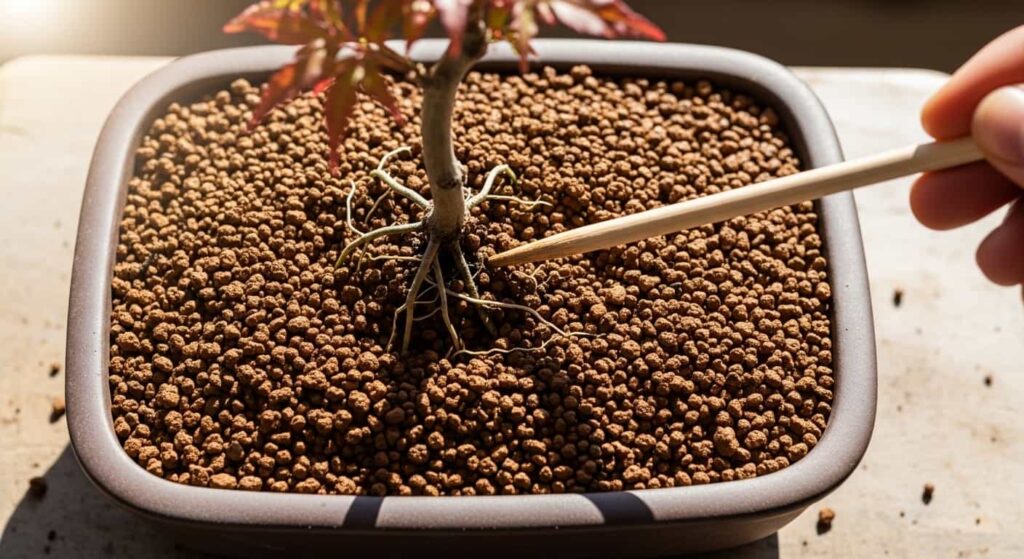
What it is: A simple wooden or bamboo stick — literally a chopstick — used to work soil down among roots.
Why it matters for root pruning: After pruning and repositioning roots, air pockets in the new soil medium can starve and rot the very roots you just worked to preserve. A chopstick lets you gently press and work soil between roots, eliminating gaps without damaging delicate new feeder roots.
Best used for:
- Post-repotting soil settling
- Working new substrate under and between the spread roots
- Probing for hollow spots in the soil after watering
What to look for: Any smooth, blunt-ended stick works. Wooden chopsticks are ideal — they won’t scratch roots, and they’re cheap enough to replace freely.
6. Soil Sieve Set
What it is: A set of stackable mesh screens with different-sized openings, used to grade bonsai substrate.
Why it supports root pruning: Compacted, fine-particle soil is one of the main reasons roots become unhealthily dense and pot-bound faster than necessary. Sieving your substrate before repotting — removing dust and oversized particles — ensures proper drainage and air circulation, which directly affects how quickly roots recover after pruning.
Best used for:
- Preparing Akadama, pumice, lava rock, and other substrate components
- Removing fine dust that blocks drainage holes
- Grading particle size to match tree species and pot depth
What to look for: Stainless steel mesh is more durable than aluminum. A basic set with 1mm, 3mm, and 6mm screens covers most bonsai soil work.
7. Wire Mesh and Drainage Screens
What they are: Small cut pieces of plastic or metal mesh placed over drainage holes before potting.
Why they matter: After root pruning, the last thing you want is your fresh substrate washing out through drainage holes or roots escaping through the bottom of the pot into the tray. Mesh screens keep the soil in and prevent pests from entering through drainage holes.
Best used for:
- Covering drainage holes during every repotting
- Supporting the root system in shallow bonsai pots
- Anchoring wires that stabilize the tree during root establishment
8. Wound Sealant (Cut Paste)
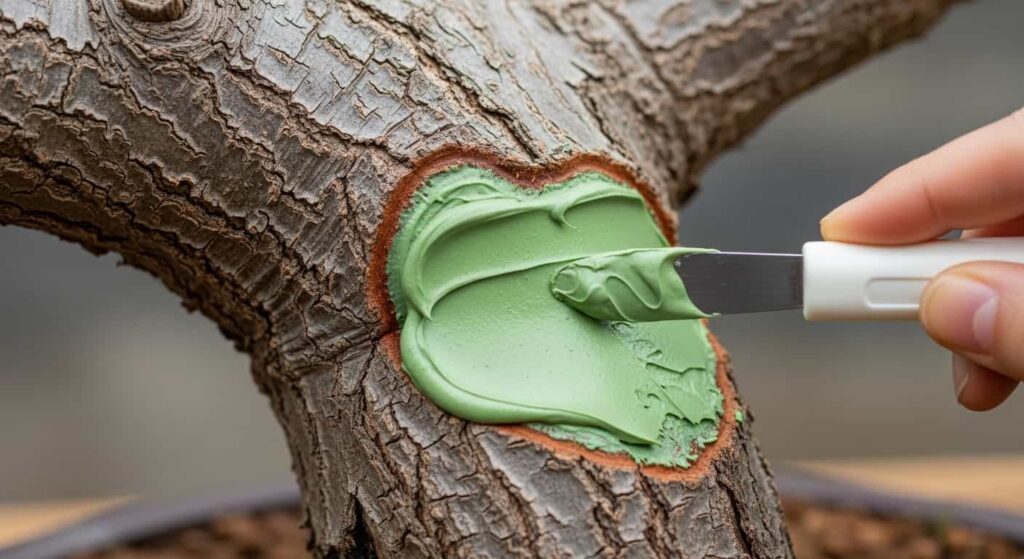
What it is: A putty or paste applied to cut root surfaces to protect them while healing.
Why you need it: Every cut root is an open wound. In humid conditions, exposed root cuts can attract fungal spores. In dry conditions, they can desiccate before callusing. Cut paste creates a barrier that protects the wound during the critical first few weeks after repotting.
Common types:
- Kiyonal — a popular Japanese wound paste widely used in bonsai
- Lac Balsam — traditional European bonsai sealant
- DIY options — diluted elmers glue or petroleum jelly in a pinch (less effective)
What to look for: A product that stays pliable without cracking, doesn’t attract mold, and is easy to apply with a small spatula or brush.
9. Spray Bottle
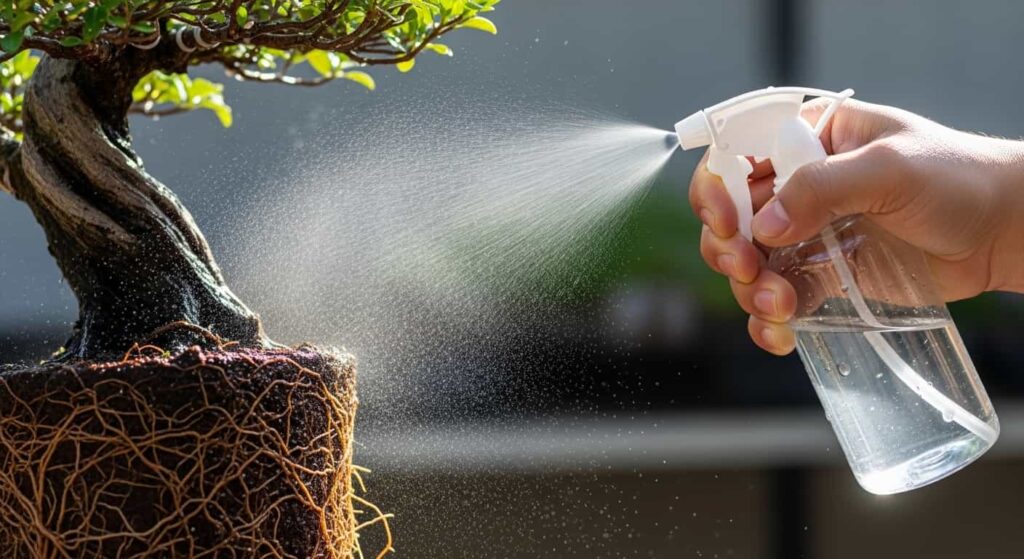
What it is: A simple handheld misting bottle.
Why it’s part of root pruning: Exposed roots dry out extremely fast — within minutes in warm, low-humidity conditions. Misting the root ball while you work keeps feeder roots hydrated and viable. Even a 10-minute delay between removing a tree from its pot and getting it back into soil can stress the fine roots significantly.
Best used for:
- Keeping exposed roots moist during the repotting process
- Misting the soil surface after repotting to settle particles
- Humidifying the tree during the post-repotting recovery period
10. Potting Turntable (Lazy Susan)
What it is: A rotating platform that holds the bonsai pot and allows you to spin it 360 degrees without lifting.
Why it helps: Root pruning requires inspecting and working on all sides of the root ball evenly. A turntable lets you rotate the tree smoothly and examine root distribution without repeatedly repositioning a heavy pot by hand — reducing the risk of accidentally dropping or jarring the tree.
What to look for: A heavy base for stability, a non-slip surface, and smooth ball-bearing rotation. Metal turntables are more durable than plastic for repeated use.
Optional but Useful Tools
Tweezers
Fine tweezers are useful for removing debris, old soil clumps, and pests from among fine roots without disturbing surrounding feeder roots.
Root Comb
Essentially a wide-toothed root rake with more tines, a root comb speeds up the detangling process on trees with very dense, fibrous root systems like junipers and maples.
Ruler or Calipers
A simple ruler helps you gauge root length before trimming, especially if you’re aiming to maintain a specific root spread. Calipers are useful when working with precise pot dimensions.
Sterilizing Solution
Isopropyl alcohol (70%) or a diluted bleach solution in a small container lets you quickly disinfect cutting tools between trees or after cutting diseased roots, preventing cross-contamination.
How to Keep Your Root Pruning Tools in Good Condition
Your tools are only as good as the care you give them. Here’s a simple maintenance routine:
After every use:
- Wipe all blades clean with a dry cloth
- Remove sap or debris with a small stiff brush
- Apply a thin coat of camellia oil or tool oil to metal surfaces to prevent rust
Monthly (or after heavy use):
- Sharpen scissors and cutters with a whetstone or ceramic sharpening rod
- Check spring tension and pivot screws — tighten if loose
- Inspect for cracks, chips, or blade misalignment
Before storing for the season:
- Lightly oil all metal parts
- Store in a dry location, not in a sealed, damp case
Recommended Tool Sets for Different Experience Levels
Beginner
Start with: root scissors, a root hook, a chopstick, cut paste, and a spray bottle. This combination covers the fundamentals of repotting without over-investing before you’ve developed a feel for the work.
Intermediate
Add: concave cutters, a soil sieve set, and a potting turntable. These tools improve the quality and efficiency of your work as you take on more trees.
Advanced / Collector
Complete your kit with: a root pruning saw, vernier calipers, a full sieve set, sterilizing solution, and high-quality Japanese-made scissors and concave cutters. At this level, tool quality directly translates to tree health outcomes.
Frequently Asked Questions
Can I use regular garden scissors for bonsai root pruning?
Not recommended. Garden scissors are designed for soft plant material and will crush rather than cut dense bonsai roots. The resulting torn tissue heals slowly and is prone to infection.
How often do I need to sharpen my root scissors?
For light hobbyist use, sharpening once per season before repotting time is usually sufficient. If you’re working on multiple trees or collecting material, sharpen more frequently — a clean-cutting tool is noticeably easier to use and much better for the tree.
Is wound sealant always necessary?
For cuts under 3–4mm in diameter, the tree will typically callous over on its own quickly enough that sealant isn’t critical. For larger cuts, especially on slow-healing species like pines, sealant provides meaningful protection.
What’s the difference between root pruning scissors and regular bonsai scissors?
Root pruning scissors have thicker, heavier blades built to handle the lateral pressure of cutting through roots. Regular bonsai scissors — designed for fine foliar work — can bend or warp when used on roots regularly.
Summary
Having the right tools for bonsai root pruning isn’t about collecting equipment — it’s about giving yourself the ability to work precisely, cleanly, and efficiently during one of the most sensitive operations in bonsai care. A sharp pair of root scissors, a root hook, concave cutters for heavier work, wound paste, and a simple spray bottle will handle the vast majority of root pruning tasks. Add to that kit gradually as your tree collection and skill level grow.
Take care of your tools, and they’ll take care of your trees.