
Last Updated on May 1, 2026 by Indoor Plant Nook
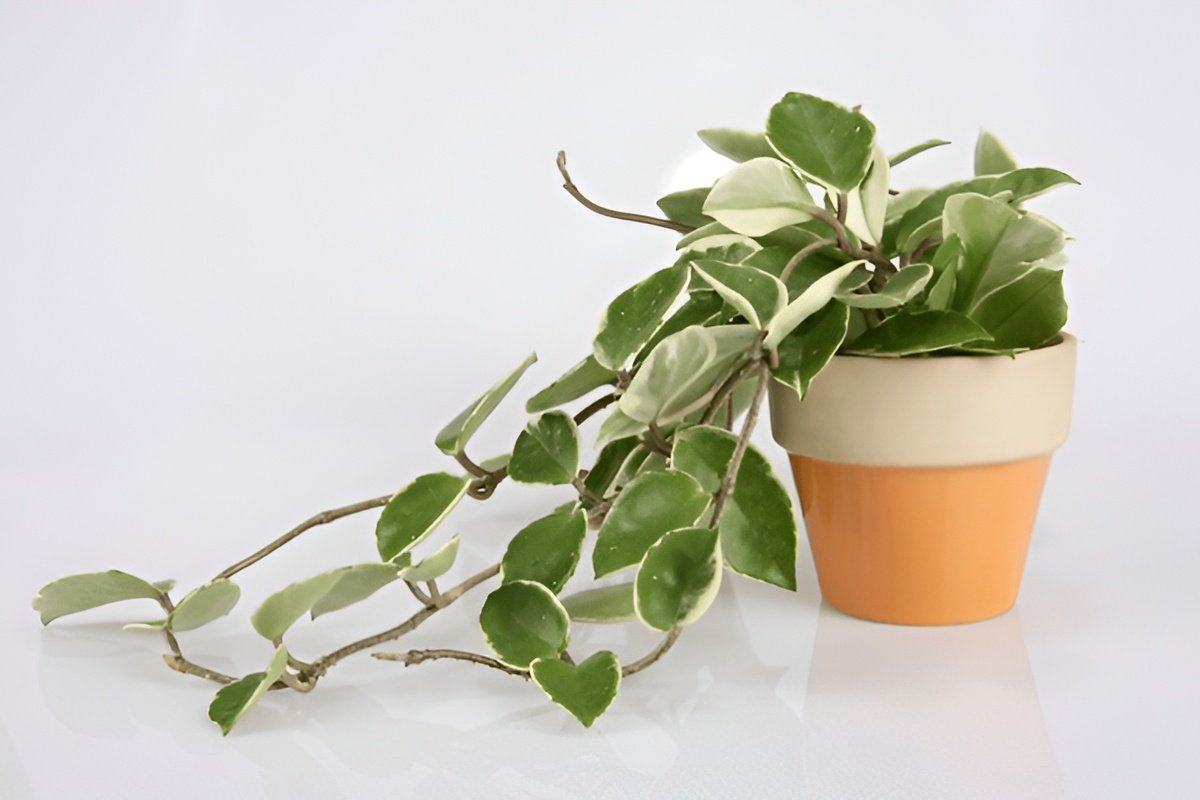
Choosing a pot for pothos is deceptively simple: anything that holds dirt, right? In practice, pot material, volume, drainage engineering, and geometry change how fast soil dries, how roots behave, and how often you deal with preventable root rot. Pothos forgives many containers, but optimizing the pot extends margin for error—especially for variegated cultivars that grow more slowly and linger longer in wet corners.
This guide compares common pot types, sizing logic, drainage myths versus reality, cachepot strategies, moss pole integration, and repot choreography so your next upgrade feels intentional rather than accidental.
Priority one: functional drainage
Roots respire; waterlogged pores suffocate fine roots and invite pathogens. The best pot for pothos almost always includes a plan for excess water to exit and not pool against roots indefinitely.
Ideal: holes in the base. Secondary: an inner nursery pot with drainage nested inside a decorative outer vessel you drain after watering.
Risky: sealed glass bowls marketed as easy plant homes unless you operate a skilled water culture system deliberately.
Plastic nursery pots: underrated teaching tools
Plastic growers’ pots are light, inexpensive, and make weight-based watering cues easy—you learn how a freshly watered pot feels versus a dry one.
Plastic dries slower than terra-cotta sidewalls but faster than thick glazed ceramic in many cases—context dependent.
Many growers keep plants in nursery pots inside prettier shells for control—smart hybrid.
Terra-cotta: breathable training wheels
Unglazed clay transpires moisture through walls—often forgiving for overwaterers because soil dries a touch quicker physically.
Downside in hot dry air: may demand more frequent watering attention—still usually manageable for pothos compared with ferns.
Watch algae or mineral streaks aesthetically—harmless mostly, wipes exist.
Glazed ceramic: beautiful but easy to overwater
Glazed pots often look stunning and stabilize temperatures modestly—but sidewalls barely breathe. Pair with chunky soil and cautious upsizing or you risk wet cores.
Ensure real drain holes; “drain hole optional” ceramics are jewelry for roots that need engineering.
Concrete/cement styles: heavy modern aesthetics
Trendy planters may weigh significantly—great for top-heavy poles if bases stable. Porosity varies with sealants; treat like ceramic unless proven breathable.
Hanging baskets: practical for trailing dreams
Plastic-lined wire baskets vs solid plastic hangers shift drying—liners can trap water if misconfigured. Always confirm drainage path after irrigation.
Wind and sun exposure on balconies accelerate dry—adjust expectations outdoors.
Size: how big should you go?
Rule of thumb: choose a pot modestly larger than the root ball when upgrading—often an inch or two in nursery sizing language for table pots, more nuance for large specimens.
Oversized pots retain moisture disproportionate to small root systems—classic silent killer.
Deep vs shallow: deep pots hold more bottom moisture; shallow wide bowls dry faster at depth extremes—pair shape with mix and watering style.
Repot indicators beyond calendar whims
Repot when:
- Water flashes through instantly—root-bound or hydrophobic soil.
- Roots circle densely and growth stalls.
- Soil collapses into mud schedule unpredictability.
- You need structural support integration (pole install).
Avoid repot purely for decorative impulse during heat waves or mid-winter dormancy-ish slowdowns unless emergency.
Moss poles inside pots: stability and volume tradeoffs
Adding a pole consumes interior volume—sometimes necessitating slightly wider pots for balance. Anchor firmly to reduce tipping on trailing giants.
Watering must account for pole moisture—moss poles can stay damp while pot mix dries—learn integrated habits if you mist or water poles.
Cachepots and saucers: elegance without drowning
Cachepots hide nursery ugliness—lift inner pot, water thoroughly, drain after 30 minutes religiously if outer pot holds water.
Saucers help protect surfaces; dump standing water unless using intentional passive technique you understand fully.
Color and heat: south-window cautions
Dark pots in direct sun can heat root zones—pair with saucer insulation or reposition if stress appears in summer.
Outdoor summer pots (temperate growers)
Choose UV-stable plastics or ceramics rated for exterior use; confirm drainage holes won’t clog with soil after rains.
Wind tips—weight matters.
Propagation vessels vs long-term pots
Propagation jars are not permanent homes for soil-rooted pothos needing gas exchange—transition thoughtfully.
Root health inspections during pot changes
When repotting, examine roots: white and firm healthy; brown mushy questionable; sour smell diagnostic. Trim rot with clean tools, repot into fresh airy mix, adjust watering.
Aesthetic composition without murdering plants
Match design to biology: choose pots complementing interior palettes after drainage feasibility—drill bits exist for motivated DIYers on some ceramics—research material safety.
Kids, pets, and pot stability
Heavy high pots tip—secure climbing pothos against curious cats by placement and pot weight—toxicity concerns also favor inaccessible placement.
Myths
Myth: Gravel layer yields magical drainage—uniform mix + holes matter more.
Myth: Bigger pot equals faster growth automatically—moisture retention can invert outcome.
Myth: Decorative rocks on soil surface fix fungus gnats entirely—physics of wet core remains.
Decision flowchart (mental)
- Is there drainage or a disciplined inner pot strategy? If no, redesign.
- Is volume proportional to roots? If no, downsize or wait to repot.
- Does material match your watering tendencies (heavy hand vs forgetful)? Adjust chunkiness accordingly.
Drill-your-own drainage: DIY cautions
Ceramic enthusiasts sometimes diamond-drill drainage holes—mask tape reduces slip, water cools bits slowly, and eye protection matters. Not every glaze tolerates impact; practice on inexpensive blanks first.
Weight and balcony safety
Tall moss-pole installations in windy high-rises need sturdy bases—tipping risks injure people and plants. Anchor thoughtfully before summer gust season.
Winter dark-leaf heat absorption
Dark decorative outer sleeves in sun can warm root zones on cold windowsills; lighter sleeves may reduce shock—minor but real on marginal days.
Repotting stress and post-repot watering
Freshly repotted pothos in slightly larger homes needs even soil moisture briefly—not saturation—while fine roots explore new frontiers. Match pot increment to root volume aggressively; shy upgrades beat heroic leaps.
Saucer-evaporation misconceptions
Evaporation from saucers does not significantly reduce perched water inside heavy cores—drain saucers after watering instead of hoping ambient evaporation saves the day.
Double-potting for temperature insulation
In overheating summer sills, an air gap between inner grow pot and outer sleeve sometimes smooths thermal swings—ensure inner pot still drains fully.
Choosing color for root warmth on cold nights
Lighter outer pots absorb less radiant heat by day but also emit less retained heat overnight—mostly minor; prioritize drainage over color magic.
Moving day: protect pots from shocks
Dropped ceramic shards ruin roots and budgets—move large specimens with two hands on pot, not dangling vines alone.
Choosing trays for furniture protection vs root health
Deep trays that hoard runoff “for later” risk reabsorption—shallow trays that force prompt dumping align better with oxygen-loving roots.
Pot feet and airflow under plastic liners
Raising pots slightly can improve airflow beneath thin nursery bottoms sitting on flat tables—marginal but sometimes meaningful in humid basements.
Basket liners and coconut coir sheets
Decorative baskets often hide plastic liners—verify liner drainage or treat them as cachepots requiring inner drainage pots.
Tall poles and center-of-gravity physics
When moss poles elevate crown weight, choose wider bases or heavier outer sleeves so gentle cat jumps do not turn collections into pottery shrapnel.
Seasonal exterior staging for indoor pots
If you sun summer pots outdoors on pavers, afternoon stone heat can bake sidewalls—elevate slightly on feet so radiated heat does not surprise roots.
Fabric grow bags indoors: niche but instructive
Some growers test breathable fabric containers for aggressive drainage—they dry fast and teach watering discipline quickly, though aesthetics rarely match living-room ceramics. If you trial them, match increased dry speed with chunkier mix or slightly more attentive checks.
Self-watering planters: engineer, do not hope
Sub-irrigated pots can work when reservoirs, wicks, and potting media are tuned deliberately; default mismatches leave roots either perpetually wet or never accessing the reservoir. Read manufacturer guidance and observe dry-down in the root zone, not only in the visible chamber.
Window sill depth and pot footprints
Deep exterior sills accommodate wider bases that resist tipping; shallow sills may demand slimmer pots or secondary stabilization—tipping splashes combine broken leaves with soggy carpets.
LECA false bottoms and chunky aroid tactics
Some aroid growers layer coarse LECA beneath soil in specialized builds to create a quasi-reservoir—advanced and debated—if you experiment, research failure modes before risking prized vines.
Labeling pots after upgrades
When you finally match ideal pot geometry, label the repot season somewhere discreet—future you diagnoses watering drift faster when you remember that drainage and sidewall thickness changed at the same time.
Sounding ceramic for hidden cracks
Tap-test used thrift-store pottery before committing prized roots—hairline fractures hide until hydration and thermal swings widen them into leaks and root suffocation surprises.
Matching pot swaps to seasonal rhythms
If you enlarge pot volume, prioritize active growth stretches—typically spring through early summer indoors—when roots establish quickly under lengthening days. Late-autumn bumps often coincide with weaker light indoors, muddying symptom diagnosis if transient yellow follows.
When thrift ceramics need a soak test
Used glaze can hide hairline fractures until moisture and temperature swings widen them slowly. Briefly soak-test pots outside where spills do not threaten furniture finishes. If rims seep, treat the planter as decorative cache-only with a drilled inner nursery container.
Hanging baskets versus floor pots near blasting vents
Elevated hangers may dry quickest beneath HVAC drafts. Scout soil moisture sooner than you expect; crisp leaves with damp substrates usually signal airflow drafts and transpiration imbalances more than morality tales about forgetting Tuesday watering.
Closing thought
Best pot for pothos is the one that partners with your soil and habits—oxygen at roots, predictable dry-down, stable support for your training vision. Splurge on aesthetics after engineering checks pass; the prettiest glazed planter still fails if it secretly drowns roots every Sunday.
Related Pothos Guides
- Best Fertilizer for Pothos: When, What, and How Much to Use
- What Temperature Does Pothos Need? Cold & Heat Tolerance Explained
- Humidity Requirements for Pothos — Does It Really Need Misting?
- How to Repot Pothos: Step-by-Step Guide for Beginners
- How Fast Does Pothos Grow? Growth Rate & What Affects It