
Last Updated on May 1, 2026 by Indoor Plant Nook
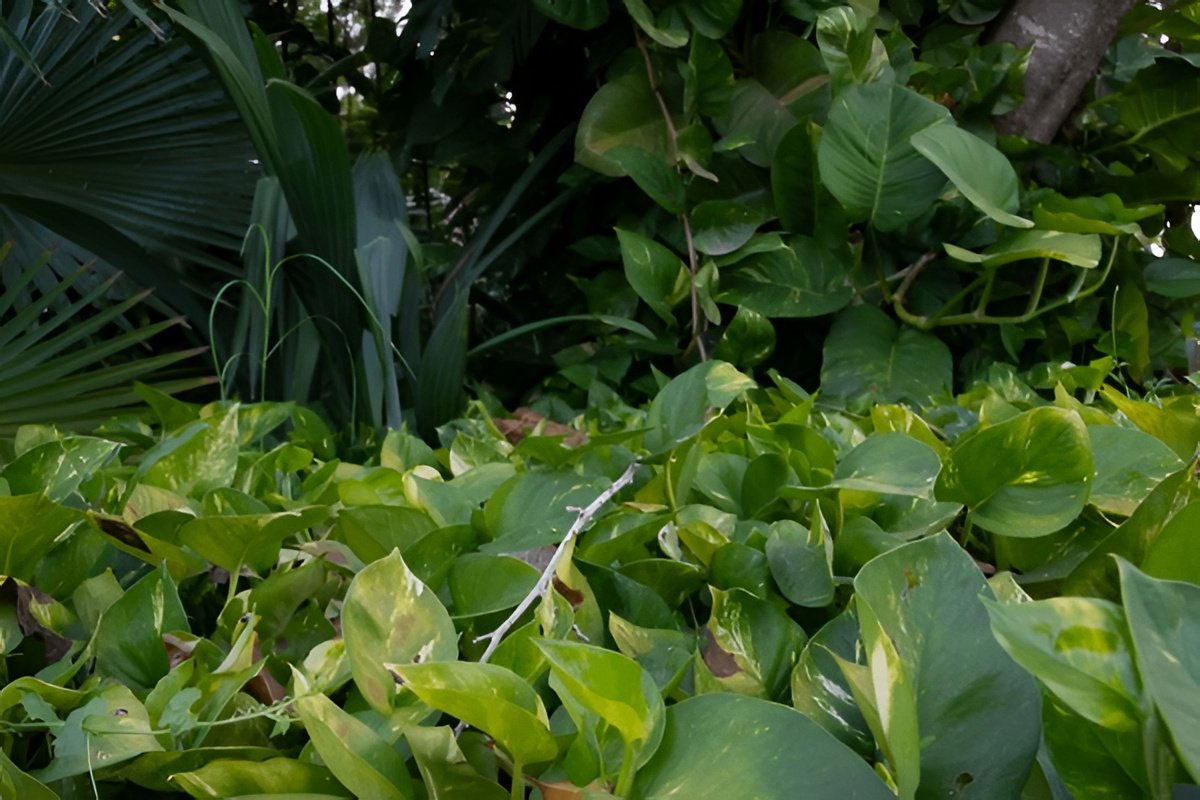
Clustering houseplants is less about matching pot glazes and more about light geometry, drainage independence, and scouting habits that recognize pests travel across touching leaves. Pothos (Epipremnum aureum and familiar cultivars) wants bright indirect light, chunky potting mix that dries between waterings, modest feeding, stable room temperatures, and periodic pruning so trailers never smother neighbors. This guide lists companions that share those realities—or stay visually paired while you keep irrigation intellectually separate.
Choose neighbors that respect separate saucers, honest quarantine for new pots, and rotation schedules that stop one vine from monopolizing the window.
What companion means on a bookshelf
Outdoor guilds lean on soil biology and pollinators. Indoors, companionship is choreography: leave air channels so crowns dry, avoid merged runoff in decorative trays, label inner nursery pots when weights blur, and treat clusters as shared pest networks that still need individual watering decisions.
Heartleaf philodendron (Philodendron hederaceum)
Heartleaf mirrors pothos habits—climbing or trailing, bright indirect hunger, willingness to root from nodes. Texture reads softer beside glossy Epipremnum leaves. Water when the upper portion of a chunky mix dries; verify with lifts and skewers. Rotate the pair weekly so neither side permanently shadows the other into lanky internodes.
Satin pothos (Scindapsus pictus)
Despite the common name, satin pothos is a different genus, yet culture overlaps closely: similar light, similar thirst rhythm in airy mixes, speckled foliage that contrasts with marble-type pothos. Keep taxonomy in mind when you search pest advice so you do not mix up care threads casually.
Syngonium (arrowhead vine)
Juvenile arrow shapes beside pothos hearts add geometry play. Syngonium enjoys comparable warmth and appreciates drying modestly between drinks in well-drained media. Watch for mites on both when winter air dries; rinse early instead of waiting for webbing drama.
Monstera adansonii (Swiss cheese vine)
Swiss cheese vine wants bright indirect light and chunky drainage like pothos. Provide physical separation so faster seasonal growth does not swallow hangers; moss poles or distinct hooks keep both canopies legible. Never seal both into one cachepot that hides standing water.
Spider plant (Chlorophytum comosum)
Strappy arching leaves contrast pothos hearts while tolerating slightly brighter forgiving windows. Spider plants sometimes prefer moister mixes—use separate inner pots on a shared display tray so runoff never migrates into pothos media overnight.
Peperomia species
Many peperomias accept indirect light and cautious watering when mixes approach dryness. Thick leaves juxtapose pothos gloss. Crowded shelves slow drying after humid weeks—space pots so air still moves.
Tradescantia (inch plant)
Tradescantia moves quickly in bright indirect light and may dry surface soil faster than pothos. Keep saucers discrete; prune before stems smother neighbors. Scout aphids along tender shoots after open-window weeks.
Snake plant (Dracaena trifasciata)
Snake plants add upright punctuation beside trailing vines. They tolerate longer drought than actively growing pothos—pair visually on one tray but pour measured water into each inner pot independently. Dark ceramic troughs look unified; hydraulics must stay separate.
ZZ plant (Zamioculcas zamiifolia)
ZZ wants extended dry spells compared with enthusiastic pothos summers. Lift pots separately before assuming the shelf needs a communal soak. Matte ZZ texture beside glossy Epipremnum reads sophisticated when biology stays honest.
Hoya species
Many hoyas enjoy bright indirect light and airy mixes. They often prefer more complete dry-down before the next drink. Cluster them when you label pots and scout each vine without averaging moisture fairy tales across the row.
Ferns and prayer plants: proceed with nuance
Maidenhair ferns and many Marantaceae crave steadier humidity and moisture than typical pothos schedules. Offset them, add localized pebble trays to thirsty pots only, or keep separate watering lanes—never one shared soil volume pretending three biologies align.
Cluster humidity without encouraging rot
Grouping plants nudges ambient moisture slightly, yet jammed canopies delay drying. Leave finger-width channels; run fans occasionally during steamy weeks so petioles do not stay wet all night.
Pest breaks and quarantine
Spider mites commute across contact zones. Quarantine purchases, trim crowding, rinse when stippling appears, treat promptly, and remember office cuttings need the same discipline as store-bought stars.
Shared trays: design unity, hydraulic separation
Decorative trays unify aesthetics; water must not wander pot to pot. Use discrete liners, cork feet lifting inner cans, or individual saucers concealed beneath uniform top-dressings so generosity toward one plant never drowns a drier-preference neighbor.
Seasonal audits for entire vignettes
Heating dryness, shifting sun angles, and open-window drafts reshape whole shelves simultaneously. When one plant shows bleach or crispy margins, audit neighbors that afternoon—microclimates move in packs.
Fertilizer harmony
Half-strength feeds during growth reduce the odds one enthusiastic pour overflows into neighboring media through splash. Track fertilizer dates per pot when neighbors share visual symmetry but not identical appetites.
Mixing pothos cultivars without shading wars
Neon beside Marble Queen or Jade beside Global Green works when you rotate the cluster weekly so cream sectors still receive photons. Variegated canopies cast aggressive shade; watch rear rows for stretch and move pots forward before nodes resemble string art.
Moss poles beside hanging trailers
Combining upright and trailing habits photographs beautifully yet splits watering psychology: rewet pole substrates on their schedule while verifying basket liners never stay marshy downstream of enthusiastic misting. Keep runoff paths discrete so pole moisture never migrates into neighboring saucers.
Kitchen shelves: grease plus heat bursts
Proximity to stoves leaves oily films. Pair pothos with compact hardy peperomias or restrained philodendrons, and wipe foliage monthly so grime cannot occlude stomata. Avoid crowding cords, kettles, or sink splash that keeps crowns wet overnight.
Shared LED supplementation
When daylight is weak for the whole tableau, synchronize timer photoperiods across neighbors. Raise or lower fixtures as summer canopies widen so foreground leaves dodge bleach yet rear vines still receive usable diffuse light.
Propagation jars and humidity edges
Stem glasses elevate local humidity slightly. Keep drips away from neighbor crowns. Refresh rooting water diligently so stagnant jars never add sour odors beside established pots.
Pets, kids, and honest labeling
Clustering does not reduce toxicity if leaves are chewed. Elevate trailers and note pet safety on care cards when friends water your collection. Companions are aesthetic; responsibility stays yours.
Repot waves without bench bottlenecks
Spring repotting grouped plants can clog sink access. Stagger heavy soil days so one drying bench of cuttings never blocks emergency access to a wilting hanger behind it.
Decorative trough liners
Unified ornamental planters coordinate shelves only when inner nursery liners lift out. After soaking pours, skim ornamental topdressing briefly when gravel or moss hides nested cans, confirming bottoms stay dry and gnats never inherit secret swamps beneath styling.
Vacation notes on dense shelves
Leave dry cues or annotate phone photos—matching glazes still disguise different dry-down timelines. Separate saucers, and tuck snips where guests cannot snag trailers while juggling kettles or opening drawers beside curtain-like growth.
HVAC drafts touching one quadrant
Forced-air grills and convection plumes dehydrate whichever edge faces ducts first. Shuffle hooks or entire vignettes monthly so airflow stress rotates instead of martyring whichever pothos staged itself closest to registers.
Sequential watering on shared trays
Ornamental troughs tempt heroic pours. Water each detachable liner fully, pause for runoff, dump that saucer, then pour for the next plant. Cascading floods never respect unequal cravings between pothos trailers, drought-heavy snake foliage, or thirstier stems sharing the outer shell visually.
Tool staging beside trailers
Park moisture meters and watering cans far enough from cascading ends that hurried cabinet pulls, oven doors, and desk drawers will not snag petioles midweek. Busy kitchens and shift-work desks amplify velocity; choreography keeps romantic clusters from shredding during breakfast chaos.
Matching ceramics and dryness rank
Unified glazes unify photos yet dryness timelines diverge. Label discreet inner rims, tag liners with initials, or keep dated snapshots showing which planter lightens fastest so pours never saturate dormant neighbors beside thirsty pothos vines.
Rosettes below trailers: drip lines and crocking
Shelf stacks often place compact rosettes or terrarium lids directly under elevated pothos. Condensation beads, guttation dribbles after generous nights, and accidental pour-over from trailing ends can swamp crown centers that never tolerated bath-level moisture. Rotate which plant owns the underside zone after watering days, tuck clear saucer extensions that catch stray drips without merging volumes, or shift rosetted neighbors forward an inch until leaves dry uniformly. Companion harmony is partly hydrology choreography: pothos forgiving nature does not license chronic mist on neighbors that resent it.
Closing reminder
Companion planting indoors works when drainage stays independent, quarantine stays routine, scouting stays collective, rotations stay equitable, humidity tricks stay localized, mites stay hypothetical because you rinsed early, and trays stay visually unified without merging root tragedies silently. Pothos partners widely when styling never erases that each plant still owns its own roots underground.