
Last Updated on May 1, 2026 by Indoor Plant Nook
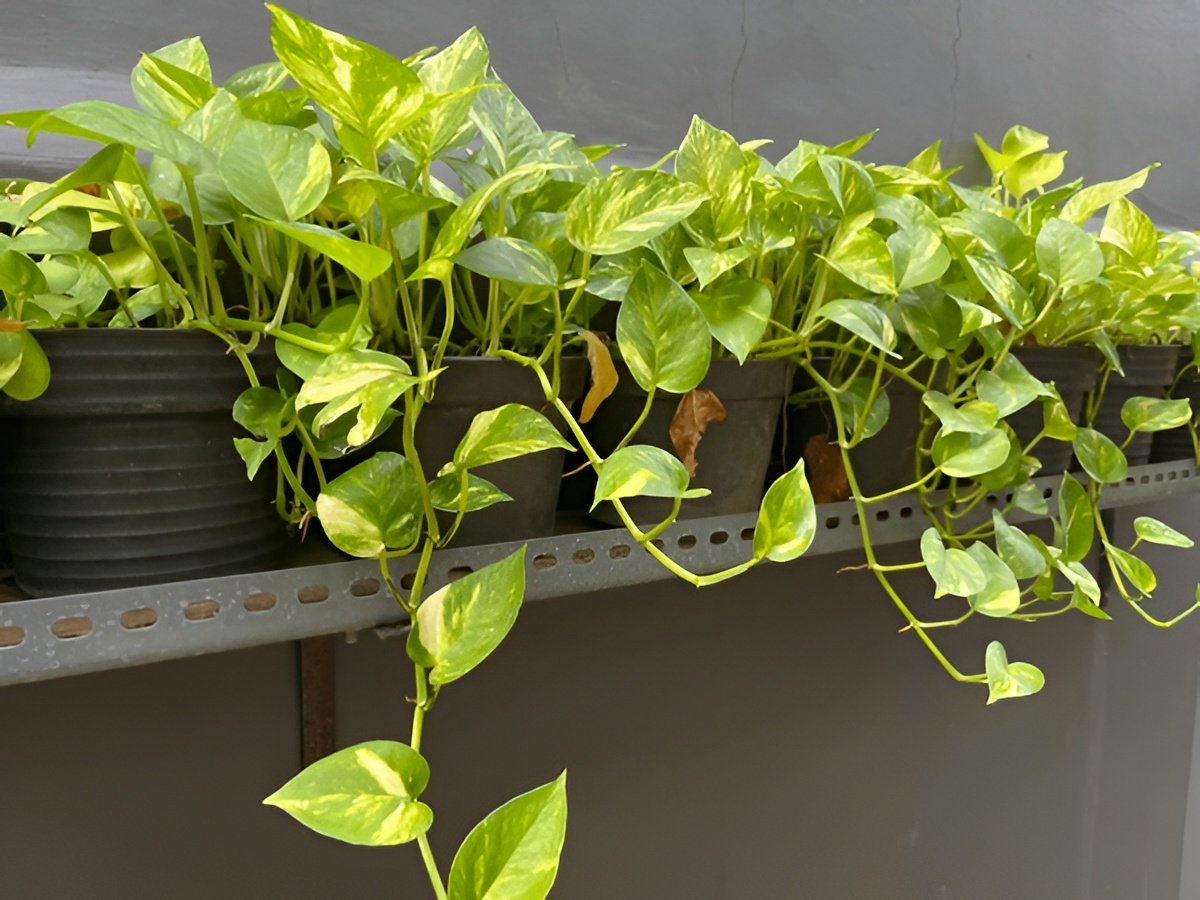
Pothos, the vine sold predominantly as Epipremnum aureum alongside striped, speckled, or neon cultivars, owes much of its reputation to toughness—but toughness is not numbness. Lived-in specimens repay attention with quieter lessons than Instagram captions advertise: how daylight truly behaves beside a bookcase, why watering schedules bend with seasons, how generosity with cuttings spreads skills without gatekeeping. The ten points below emphasize practical upside grounded in physiology and indoor life—not miracle cures. Expect reflections on diagnostics, ergonomics of vertical space, propagation literacy, moisture observation, variegation physics, genus curiosity without intimidation, early pest scouting, patience with quieter seasons, biophilic language without medical overreach, and resilience through disrupted routines.
Chewing risks for pets or young children belong in toxicity articles beside guidance from veterinarians or medical clinicians; assume prevention here and stay generic.
1 — Honest diagnostics about whether your corner is bright enough
New leaves shrinking over successive flushes while internodes stretch usually flag a photon shortfall—not a fertilizer famine. Leaves emerging at plausible sizes for your cultivar imply bright indirect light aligns tolerably well with pothos needs. Watching pale sectors bleach or greener reversion creep across variegated forms teaches carbohydrate math faster than app debates—you adjust shelving, tame harsh midday beams with sheers, add timed grow lamps, or concede that a dim hallway honestly cannot mimic a conservatory.
If you like numbers, handheld light-meter apps clarify trends even when absolute accuracy wobbles: compare readings at your pothos perch against readings directly beside unobstructed east or west glass. Consistent deltas across weeks matter more than one heroic snapshot chasing perfection.
2 — Watering habits shift from superstition to observation
Healthy roots still hate stagnant anaerobic sludge—yet pothos tends to tolerate sane dry stretches better than thirsty ferns that crisp when chaotic weeks swallow your calendar slots. Owners learn pot lifts, wooden skewers, sniff-checks near drainage holes, seasonal rhythm shifts when daylight shortens—all habits that transfer onward to picky genera spared from reflex panic pours.
Finger moisture probes age better than obsessive Tuesday alarms when winter short days lengthen dry spells naturally.
If multiple houseplants occupy one shelf, remember each pot dries on its micro-schedule—the trailing pothos near a breezy sill may crave water sooner than understory specimens tucked behind pottery. Treat neighbors as collaborators with distinct voices rather than clones sharing one calendar.
Pretty cachepots without exit routes for water remain a hidden trap: lift inner grower’s pots after guests compliment the styling to confirm nothing sealed has created a hidden swimming pool for roots.
3 — Propagation confidence without sterile-lab folklore
Stem segments retaining nodes usually root in water jars or gritty mixes reliably enough that beginners harvest early successes. Wins prime curiosity toward sanitation basics, disciplined water swaps that avoid opaque biofilm jars, gradual transitions from water to substrate when guides recommend—all foundations that echo whenever you propagate other aroids calmly later.
Trading rooted extras with neighbors also reinforces gifting basics: reminding recipients about drainage saucers and chewing risks wherever pets roam.
Propagations also deepen your tactile understanding of nodes: seeing where roots emerge clarifies pruning choices when you shorten scraggly parent plants—each successful jar roots confidence for later stem damage repairs after pets snap stems accidentally during zoomies indoors.
4 — Vertical drama without sprawling across scarce floor space
Bookshelf crowns, lateral file tops, tested wall hooks before trusting ancient drywall anchors, moss poles that lift leaves into sightlines—all help pothos occupy peripheral vision humans actually remember amid screen fog. Designing upward keeps walkways clearer than many wide-footprint floor monsters require.
Architectural lifting pairs naturally with safety: ribbons of green stay farther from toy bins and cereal bowls once you quit treating floors as inevitable plant real estate—but still cite toxicity basics elsewhere conscientiously.
In rental spaces, prioritize removable hardware approved by leases; weight-bearing shelves beat adhesive ambition that steam and seasonal temperature swings defeat quietly. Lightweight plastic inner pots inside decorative shells keep total hanging mass honest for drywall anchors realistically.
5 — Variegation sharpens understanding of light economics
Marble-type or heavily speckled cultivars demonstrate plainly that pale sectors build fewer sugars per absorbed photon than green tissue. Under dimmer conditions they often drift greener—not out of spite, but out of energy bookkeeping. Recognizing the pattern redirects effort toward brighter placement or thoughtful grow lights before heavier fertilizer doses that risk salt buildup without fixing the real bottleneck.
If you relish collecting cultivars anyway, pothos trays become comparative classrooms: Neon beside Marble Queen reacts differently to identical meters of distance from sheer curtains—education accelerates tangibly beside labels alone.
Beautiful clusters still need deliberate airflow: pests and drifting dust cross short distances faster than sentimental “jungle canopy” metaphors imply, so staggering pots an inch farther apart often pays sharper dividends than squeezing another cultivar onto the same tray prematurely.
6 — A familiar genus that motivates deeper taxonomy curiosity
Comfort with pothos lowers intimidation stepping toward philodendrons, monsteras, and superficially similar vines whose petiole sheaths and climbing habits diverge once you train your eye. It becomes baseline vocabulary that helps sort nursery mislabels with less panic. Curious growers ask sharper questions instead of blaming mysterious yellowing on vibes alone.
That curiosity extends naturally into sharper shopping hygiene: photographing petioles in neutral daylight beats impulse buys under tinted greenhouse bulbs that flatter unhealthy stock equally—a pothos-trained eye spots mechanical damage versus genetic-variegation mislabels faster.
7 — Early integrated pest-management lessons without panic theater
Spider mite stippling, mealybug cotton, and fungus gnats appear in many homes; pothos often tolerates scouting windows long enough for rinses, isolation, and disciplined follow-through before disaster defoliates more fragile favorites later. Dry winter air still demands vigilance—a forgiving plant is not a pest-proof plant.
Developing a rotating inspection checklist—weekly leaf undersides, monthly soil disturbance with a blunt skewer, sticky-trap interpretation without panic—turns prevention into a calm habit instead of a crisis sprint whenever one speck appears microscopically.
When you rotate new purchases through a short quarantine corner, pothos already on the shelf becomes your “control group” mentally—you notice differences in gloss, perkiness, and insect signatures faster beside a specimen whose habits you memorized intimately.
8 — Seasonal slowdown normalizes patience with living schedules
Short daylight can slow new leaf production without signaling catastrophe. Watching that cadence helps you distinguish seasonal quiet from creeping root problems. Pausing aggressive feeding until spring lengthens light again is often wiser than dosing through winter out of boredom.
Unless soil smells sour, drainage fails, or compaction threatens root choke, postpone dramatic repots through the darkest quarter: roots knit faster once lengthening daylight nudges meristems calmly than when you shred them during the sleepiest metabolic window imaginable.
9 — Biophilic presence without overstating medical replacement
Soft fractal greenery beside monitors pleases many people subjectively—threads environmental psychology explores usefully—without implying pothos substitutes workplace ventilation redesigns or individualized therapies. Enjoy the visual calm as one layer among daylight breaks, movement, and professional care when needed.
Thoughtful caregivers still rotate plants toward equitable light quarterly, wipe dust accumulation that dulls foliage, prune yellow runners honestly—beauty intertwined with upkeep prevents “decorative resentment” creeping into hobbies meant to decompress evenings instead.
10 — Forgiving temperament during imperfect years
Compared with brittle favorites, pothos weathers imperfect repot timing, apartment moves with friends, clumsy hangers, roommate chaos, and stretches of uneven care that would doom less forgiving plants faster. Elasticity matters during seasons when meticulous routines rarely arrive.
Resilience never grants permission for chronic neglect—you still scout for pests, sour soil, soggy crowns, fertilizer excess, seasonal light dips—but the slope between human imperfection and total loss tends to stay gentler.
After rough months, schedule a calm audit: rotate toward brighter glass temporarily, trim desiccated runners, refresh only the top dressing if full repot feels premature, water deeply once then wait—small corrections compound faster than dramatic plant shopping therapy when fundamentals were always the issue.
Stewardship habits that quietly compound
Weekly pot lifts, quarter-turn rotations driven by stable window placements, photographed spot checks before growth tilts asymmetrically forever, predictable saucer emptying—all interrupt small setbacks before elongated internodes turn into melodramatic rescue missions worthy of Reddit threads nobody asked for tomorrow.
Traveling and roommate handoffs stay calmer
Healthy vines tolerate modest dry arcs when pre-trip lighting was honest and planters stay proportional. Typed dry cues and chopstick probing for helpers outperform vague texting. Returning to smell checks and measured rewetting restores rhythms faster than drowning anxiety into chronic sogginess.
Swaps amplify teaching without folklore inflation
Cuttings traded between neighbors braid soil recipes, restrained feeding expectations, sanitized blade etiquette, humane pet elevations, and rooting timelines beginners can imitate without mysticism. Say aloud that pothos tissues irritate mouths so recipients place jars responsibly.
Feeds deserve calmer skepticism after lived rebounds
Watching personal pothos shrug through dull winter pacing or survive one clumsy watering round helps you disregard threads hawking concentrates for blotches that eventually trace to sluggish light arcs or perched water—not arcane deficiencies only a ninety-dollar tonic could solve.
Closing perspective
Pothos does not require exaggeration to earn shelf space. It teaches honest light reading, moisture timing, propagation generosity, vertical design literacy, variegation physics, taxonomic curiosity, early pest vigilance, seasonal patience, biophilic comfort without mystical inflation, and calm persistence through disrupted schedules. Pair enthusiasm with truthful toxicity prevention where pets and toddlers roam and with drainage plus light habits that respect cultivar ambition—Epipremnum aureum rewards growers who listen to foliage as attentively as they hydrate roots.
When you treat pothos as a teacher instead of a trophy, the surprising benefits multiply: not because the plant performs miracles, but because paying attention to something living sharpens how you read rooms, budgets, and seasons long after the first cutting roots.