
Last Updated on May 1, 2026 by Indoor Plant Nook
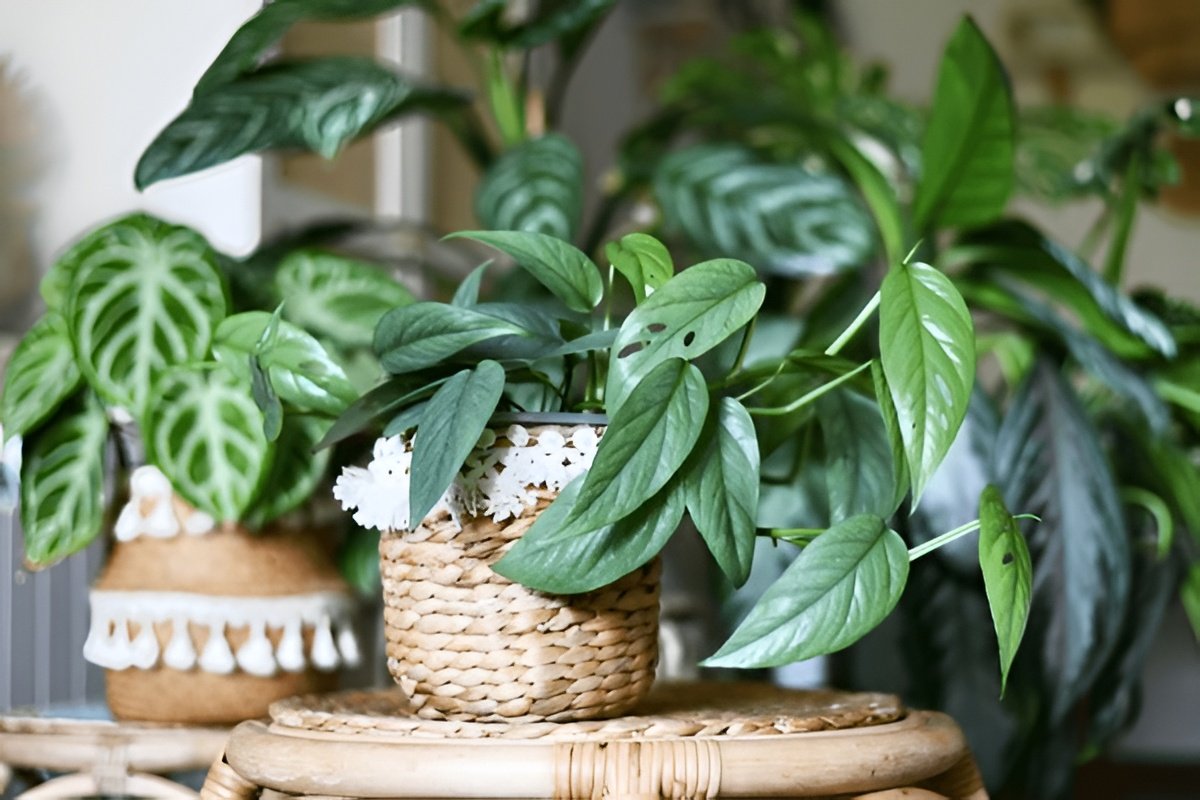
Cebu Blue Pothos is one of those plants that makes casual visitors ask, “Is that still pothos?” The narrow, pointed leaves catch light with a silvery-blue metallic sheen, and the texture can look almost pebbled or satin depending on angle and humidity. Taxonomically, it is commonly sold as Epipremnum pinnatum ‘Cebu Blue’, a different species than classic E. aureum yet sharing enough cultural overlap that houseplant enthusiasts group it under the pothos mental umbrella—same shops, same shelves, similar pots, similar watering instincts.
“Rare” is a shifting label; in some markets Cebu Blue is now common, in others still pricey. Regardless of trend cycles, success comes from honoring its tropical vine nature: bright indirect light, oxygen-rich soil, thoughtful watering, and—if you want larger or fenestrated adult foliage—support to climb.
What Cebu Blue offers that Golden Pothos does not
Color and texture are the headline. Where golden pothos reads yellow-green cheerful, Cebu Blue reads cool-toned and sleek—excellent for contemporary interiors, blue-gray palettes, and plant walls where contrast matters.
Leaf architecture trends narrower and more lanceolate in many juvenile displays, different from the broad heart defaults of E. aureum.
Climbing potential matters narratively: like many aroids, mature foliage can differ from juvenile trailing leaves when plants climb—a reason moss poles entice collectors.
Light: bright indirect as baseline, direct sun cautiously
Cebu Blue thrives in bright indirect light indoors—east windows, set-back south or west exposures, or quality full-spectrum grow lights at appropriate distance.
Low light may dull sheen and reduce growth speed; extremely dim conditions produce stretched internodes and smaller leaves. If silvery-blue appeal is the point, prioritize lighting as seriously as you would for heavy variegation.
Direct sun can work when acclimated gradually; harsh midday beams on unprepared leaves risk burn spots that appear papery brown—unsightly against blue tones.
Rotate plants for even canopy density if light comes strongly from one vector.
Watering: avoid romanticizing tropical as “wet soil forever”
Cebu Blue wants access to moisture and access to oxygen in the root zone—same pothos principle. Water thoroughly when the potting mix has dried appropriately for your blend and pot volume; discard saucer water.
Overwatered aroids develop yellowing leaves, collapsed turgor despite wet soil, and eventually root rot—Cebu Blue is not immune just because trends celebrate it.
Seasonality matters: shorter winter photoperiods indoors often mean slower drying unless you supplement light and heat.
Soil and repotting: chunky mixes and honest pot sizing
Use chunky, well-draining indoor blends. Ingredients like perlite, bark, coco chips, or pumice reduce compaction. Dense garden soil in pots is a preventable handicap.
Repot when roots circle aggressively or media breaks down—spring and summer transitions are kinder than midwinter root disturbance unless emergency demands it.
When upsizing, avoid jumping to enormous decorative pots; moisture retention can outpace root uptake.
Humidity: helpful ambient bonus, not mandatory magic
Many growers keep Cebu Blue successfully at typical household humidity. Extra humidity may aid leaf unfurling in extremely dry climates but will not compensate for root rot or darkness.
If leaves tear while unfurling repeatedly, investigate humidity and uneven watering swings—not humidity alone.
Fertilization during active growth
Dilute balanced fertilizers on a modest schedule while plants push new leaves; back off when growth stalls in low-light winters. Over-fertilization can burn leaf tips and stress roots.
Organic slow-release strategies work for some growers; consistency and dilution matter more than brand obsession.
Climbing setups: why collectors mention moss poles
If juvenile foliage pleases you, trailing is sufficient. If you chase larger leaves or mature shapes associated with climbing Epipremnum pinnatum, provide a moss pole, coir board, or trellis and keep the aerial root zone mildly encouraged—bind stems loosely, maintain light on vertical growth, and exercise patience because indoor maturity timelines vary.
Expectation management: not every indoor specimen replicates greenhouse fenestration imagery; genetics, light, and time all participate.
Propagation: node cuttings with warmth
Cut below nodes, include one or more nodes per cutting, and root in water, moss, or a fine airy soil mix with warmth and gentle light. Transition water roots to soil before they become overly brittle if soil is your endpoint.
Pests: early detection on satin leaves
Spider mites love dusty leaves in dry air—Cebu Blue’s shimmer can hide stippling until populations grow. Rinse periodically; inspect undersides.
Scale and mealybugs happen—systematic wiping plus repeat treatments according to product labels beats one dramatic spray day.
Toxicity caution
Treat Cebu Blue like other arum-family houseplants commonly labeled toxic if ingested for pets and people. Elevate pots, supervise curious animals, and seek appropriate guidance if ingestion occurs.
Where to buy (practical guidance without endorsing fleeting stock)
Local independent nurseries with solid tropical programs often stock Cebu Blue during peak houseplant seasons; you can inspect sheen and avoid shipping shock.
Plant shops specializing in aroids sometimes carry premium specimens with established poles—useful if you want immediate architecture.
Reputable online tropical sellers ship nationwide in many countries—evaluate customer photos in neutral lighting, return policies, heat packs for cold routes, and pest quarantine practices on arrival.
Big-box garden centers periodically receive batches labeled broadly; verify morphology rather than trusting stickers alone.
Cutting swaps within plant communities can be affordable—insist on clear photos of leaf shape and stem texture to avoid misnamed look-alikes.
Red flags: extremely cheap “Cebu Blue” with rounded heart leaves resembling golden pothos; listings using only heavily filtered imagery; sellers refusing to show node structure on cuttings.
Acclimation after purchase
New plants endure dark boxes, temperature swings, and dehydration risk. Give bright indirect light, stable temps, and conservative watering until roots demonstrate normal uptake—sometimes a week or more of observation.
Quarantine from sensitive collections briefly to ensure pests are not hitchhikers.
Common problems interpreted
Dull foliage: Often low light or dust—clean leaves and adjust placement.
Leggy stems: Low light—add brighter exposure or grow lights.
Yellow leaves: Often watering imbalance or cold stress—sniff roots on repot if patterns persist.
Brown tip margins: Possible low humidity plus salt buildup or uneven watering—audit systematically.
Outdoors in warm seasons (temperate regions)
Some growers summer pothos relatives outside in shade-first placements with excellent drainage. Watch rain drowning pots; inspect for pests before autumn reentry.
Never assume outdoor summer success implies cold hardiness.
Rarity versus responsibility
Trends spike prices and poaching conversations—but Cebu Blue’s mainstream availability in many regions has thankfully calmed some hysteria. A plant can be special without being “ethically impossible.” Still, buy thoughtfully: healthy tissue, robust roots, clean media.
Why Cebu Blue belongs in thoughtful collections
It diversifies a pothos-heavy shelf without demanding a totally new skillset—cool tones, intriguing texture, climbing dreams, propagation approachability. Treat it like the tropical vine it is, not like a plastic decoration, and it will reward you with steady transformation as months pass.
If you pair this guide with broader care articles on soil, watering, and light for generic pothos, you will find Cebu Blue less mysterious than marketed—and more reliably beautiful than impulse purchases rushed into dark corners.
Evaluating online listings without getting scammed
Ask sellers for photos that include a ruler or common object for scale, plus close-ups of stems and nodes—Cebu’s narrower juvenile leaves differ from typical heart-leaf golden pothos, but camera angles can lie. Compare prices across multiple vendors; if one listing is half the market rate with only stock art, pause. Read recent reviews focusing on packaging during temperature extremes: heat packs and insulation matter for winter routes.
After unboxing, document condition immediately with dated photos in case you must request replacement; most reputable sellers expect time-stamped evidence, not week-later complaints when care mistakes muddy causality.
Cebu Blue beside windows: glass temperature cautions
Satin leaves near single-pane south glass in summer can show scorch speckles where direct beams land—especially if humidity drops and transpiration cannot keep pace. A few inches of setback or sheer diffusion often preserves blue sheen without sacrificing overall brightness.
Rotation and symmetry for silvery foliage
Because metallic tones change with viewing angle, rotate pots weekly so all sides experience similar light—otherwise one face may look rich while the opposite reads flat green in shadow. This matters compositionally on shelves viewed from oblique sightlines across a room.
When Cebu struggles despite “correct” fundamentals
If light and watering seem fine yet growth crawls, inspect roots for cramped hydrophobic cores and consider repotting into fresh chunky mix. Sometimes older peat interiors stay wet while surface reads dry—dual-zone moisture illusions frustrate growers until they open the root ball and see the truth.
Community swaps and ethics
Trading cuttings can democratize access when retail pricing spikes—verify plant health and pest cleanliness to protect your collection. Avoid pressuring hobbyists for wild collections from sensitive habitats; Cebu Blue in trade is overwhelmingly nursery-produced tissue culture or mass propagation rather than ecological extraction, but general ethical buying habits still matter for the wider rare-plant market you participate in.
Longevity mindset
Cebu Blue is not a short-season fad in many regions anymore—approach it as a multi-year vine relationship. Annual repot checks, occasional pole upgrades, and honest winter light supplementation keep silvery tone from quietly dulling across February gloom.
Related Pothos Guides
- Jessenia Pothos vs. Marble Queen — Side-by-Side Comparison
- Pearl and Jade, Snow Queen, Baltic Blue & Other Rare Pothos Varieties Explained
- Pothos Care Guide: Everything You Need to Know in One Place
- How Much Light Does Pothos Need? (Low Light vs. Bright Indirect)
- How Often Should You Water Pothos? (Beginner-Friendly Watering Schedule)