
Last Updated on May 1, 2026 by Indoor Plant Nook
Root rot is the quiet crisis of indoor gardening: above ground you see yellow leaves, browning, wilting, or stagnation; below ground roots turn to stringy mud. Because pothos (Epipremnum aureum and common cultivars) tolerates imperfect care, rot often advances quietly—then collapses fast. This guide explains how rot develops, how to identify it confidently, how to treat recoverable cases, and the prevention habits that keep roots breathing.
What root rot actually is (plain language)
Roots need both water and oxygen in soil pores. When soil stays saturated too long—especially dense mixes without drainage—oxygen plummets and anaerobic conditions favor microbes that decay root tissue. Damaged roots stop absorbing water and nutrients, which produces the confusing symptom of wilting with wet soil.
Risk factors common with pothos
- Pots without drainage holes
- Oversized pots staying wet half the week
- Heavy, compacted “mud” mixes
- Watering on a schedule regardless of dryness
- Cold, dark conditions slowing evaporation while watering stays summer-aggressive
- Decorative cachepots holding standing water against the bottom
Identification checklist
Smell: Sour, rotten, or fermented soil odor is a major clue.
Yellowing pattern: Multiple leaves yellowing, not one retiring lower leaf.
Wilting despite moisture: Classic wet wilt.
Stem base: Soft, dark tissue at the crown.
Unpot inspection: Roots should be firm and pale; rot shows as brown/black mush, hollow outer sleeves, or easy sloughing.
Early rot may show as fewer healthy root tips and a subtle darkening—experience sharpens eyes.
Treatment: a staged rescue for plants worth saving
1) Remove from wet soil
Knock off soggy mix; rinse roots gently to see clearly.
2) Prune rotted tissue
Sterilize scissors; cut to firm, healthy-looking roots even if it feels drastic. Wipe tools between cuts.
3) Disinfect cautiously (optional)
Some growers briefly soak healthy roots in diluted hydrogen peroxide solutions—research conservative dilutions if you choose this; it is not mandatory for success.
4) Repot into fresh, airy medium
Chunky mixes with perlite/bark help. Pot size should fit roots, not a giant mansion.
5) Water cautiously afterward
Soil should be moist but not soggy; many wait a short beat after heavy trimming—others lightly water soon—your climate and root mass decide; avoid extremes.
6) Light and warmth
Bright indirect light supports regrowth; cold dim rooms slow recovery.
7) Pause heavy fertilizer
Let roots rebuild before pushing salts.
8) Expect leaf sacrifice
The plant may drop leaves it cannot support while roots regenerate—watch trend, not a single leaf.
When to give up
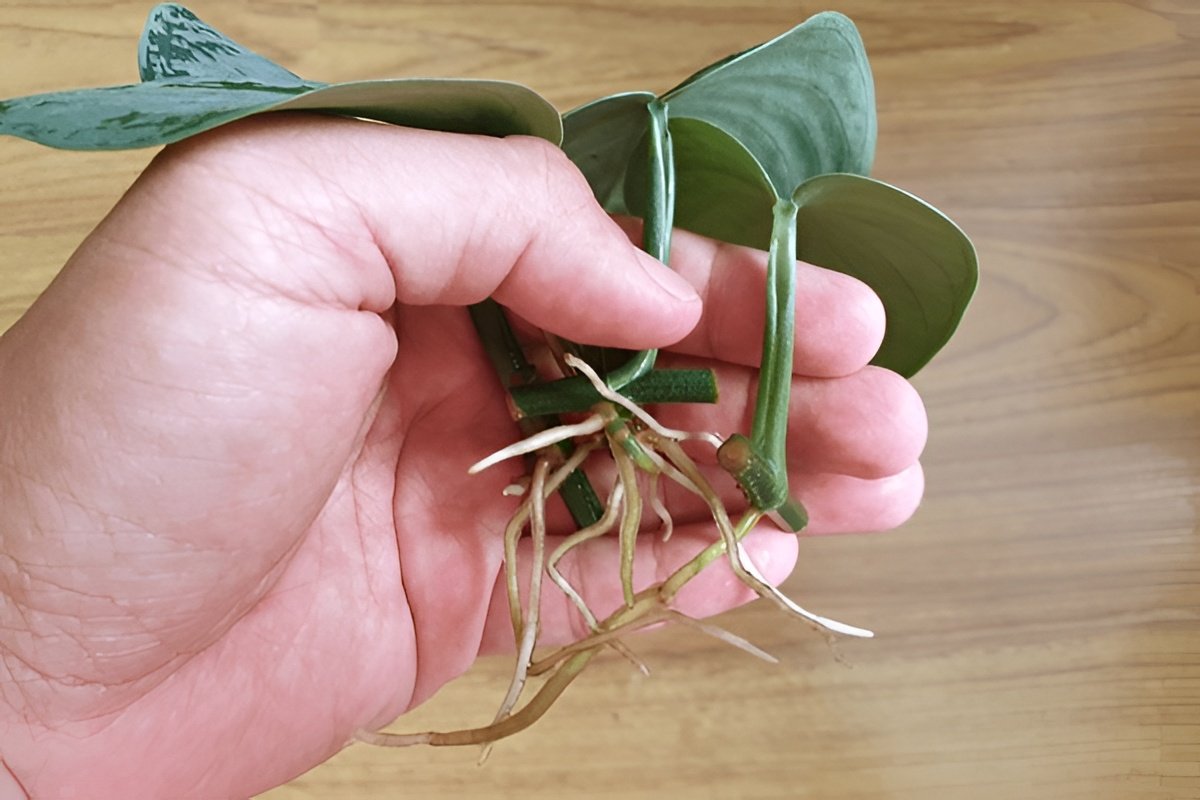
If the crown is mush and all roots are gone, propagation from remaining healthy nodes may be the only path—pothos often survives as cuttings when the mother crown dies.
Prevention: the boring stuff that works
Real drainage: Holes, elevated inner pots, saucers emptied.
Appropriate pots: Size up gradually.
Soil structure: Aeration matters as much as moisture retention.
Watering discipline: Learn each pot’s dry-down rhythm.
Seasonal adjustment: Winter often means slower drying.
Inspection habit: Occasional unpot checks after repotting or mysterious decline.
Root rot vs underwatering: avoid fatal confusion
Underwatering: dry soil, lightweight pot, perk-up after watering.
Rot: wet soil, smell, mush roots, wilting without relief.
If you water a rotting plant “because it looks thirsty,” you deepen crisis.
Fungus gnats and rot
Larvae thrive in moist organic substrates; gnats often correlate with overwatering—not always rot, but a wake-up call.
Semi-hydro and water culture caveats
Rot analogs exist in poor oxygenation, stagnant reservoirs, or decaying buried stems—different media, same respect for airflow and hygiene.
Tools worth owning if rot keeps recurring
A simple soil probe or bamboo skewer helps you stop guessing moisture depth. A kitchen scale tracking pot weight teaches dry-down faster than mysticism. Peroxide dilutions, cinnamon powders, and other folk remedies crowd forums—if you use them, treat them as adjuncts to structural fixes (drainage, pot size, mix), not substitutes. Fungicides exist for advanced cases but require label literacy and realistic expectations—prevention still dominates indoors.
Post-rot nutrition: gentle re-entry
After heavy root loss, leaves may pale from reduced uptake—not automatic iron drama. Wait for new root tips before aggressive feeding; mild, dilute balanced nutrition once fresh growth appears often recolorizes canopy without salt spikes. If every leaf yellows rapidly after feeding, stop and reassess—roots may still be smaller than you hoped.
Mindset: rot is feedback, not fate
Most rot cases tie to environment design—drainage, pot size, mix—more than mysterious luck. Fix the design, and pothos rebounds with the same forgiving spirit that made it famous—as long as some healthy tissue remains to carry the next roots forward.
Prognosis honesty after aggressive trims
If you removed eighty percent of rotted roots, expect smaller leaves briefly while root volume rebuilds—not failure, recalibration. Space watering and feeding to match diminished uptake; optimism without observation still kills.
Quarantine logic when unsure
If rot smelled microbial and aggressive, isolate the repotted specimen from tight plant shelves for a week while you watch for gnats, smell recurrence, or spread suspicions—not from fear of contagion myths but from protecting your own attention budget.
Repotting into the same bad pot
Sometimes growers rinse roots heroically then return to a cachepot that never drains—rot becomes a ritual. Upgrade the container philosophy, not only the soil.
When to involve professionals
Rarely, landlords or shared spaces demand quick remediation of soaked surfaces; move plant work to patios or garages with tarps. Professional help is about life logistics, not shame.
Mindset reinforcement
Rot teaches that roots need oxygen intervals across the week, not merely “moisture” as an abstract moral good. Learn that lesson once and dozens of future plants benefit—including the pothos you thought you failed until it pushed a new node straight toward the light.
Cross-checking rot with drainage tests
After repot rescue, pour water through fresh mix and confirm exit speed—slow drainage predicts repeat rot even with heroic root trims.
Teaching roommates rot signatures
Sour smell and wet wilt deserve plain language house rules—”If it smells like bad soup, stop adding water and tell me” saves plants better than aesthetic silence.
When sterilizing tools matters more
Working multiple plants after heavy rot—wipe tools, wash hands, avoid contaminating clean pots with old mix flakes carried on sleeves.
Mindset repeat
Rot insists root zone design must respect oxygen—never treat that lesson as optional trivia—treat it as pothos literacy core curriculum.
Closing reminder extended
You are allowed to repot messily and learn visibly; pothos forgives earnest fixes sooner than prideful neglect. Document recoveries; future you forgets how bad it looked on day one and needs the receipts for hope.
Oxygen vocabulary for beginners
Roots breathe across days, not just in the moment you pour water—schedule water so gaps exist where oxygen can return. That sentence is worth rereading monthly.
When terracotta helps psychological honesty
Clay porosity speeds dry-down for anxious over-waterers learning rhythm—one tool among many, not religion, but sometimes a useful training wheel until habits solidify.
Post-rot repot media choices
Avoid “revenge perlite” extremes—roots need both air and stable moisture anchors; swings to hyper-porous mixes can dessicate healing fibers.
Closing courage
Rot narratives online sound terrifying; recovery narratives sound boring because success is quiet. Aim for boring white tips returning—excitement can wait for visible new leaves.
Last reminder
You are not dumb if rot happened; you are human if you fix the drainage lesson and refuse to repeat the same container mistakes next season.
Soggy saucer Sundays
Empty saucers ritually—make it a small Sabbath for roots if catchy phrasing helps memory.
Decorative rocks on soil surface
Top rocks slow evaporation—adjust watering frequency if you add aesthetics that change physics.
Perlite floaters after floods
If perlite erupts after overwater rescue, remix gently when repotting—structure matters visually and functionally.
Rot stories become teaching stories
Share your recovery wins humbly—beginners need hope data, not only horror threads.
Closing backbone sentence
Root health is freedom—freedom to feed, freedom to grow, freedom to travel a few extra days—guard oxygen like you guard phone charge and the plant stops panicking you.
Final nudge
Repot fear shrinks with practice; rot risk grows with denial—practice wins when honesty arrives early enough.
Oxygen scheduling in plain language
Roots breathe between waterings—if your schedule removes those gaps, rot becomes a feature not a bug. Calendar watering fights seasonal indoor drying; substrate-led watering respects oxygen timing.
Top dressing traps
Pebbles glued on soil for “clean look” can lock surface wetness and obscure your view of fungus gnats emerging—choose aesthetics that still let you read moisture honestly.
When to escalate help
If multiple plants rot simultaneously after a new bag of mix, suspect contaminated or overly moisture-retentive medium—return or amend decisively rather than heroically repeating the same repot tragedy.
Closing backbone extended
Rot fear should convert into drainage discipline, not into avoidance of repotting when plants genuinely need refresh. Healthy repots prevent rot as often as rescue repots fix it—think prevention, not only triage.
Post-recovery, propagate backup nodes while the crown relearns watering rhythm—pothos genetics forgive redundancy when enthusiasm briefly outpaces root volume after aggressive trims.
Schedule a calendar nudge every twelve weeks to glance at drainage holes and sniff soil—rot prevention stays boring until it saves a plant you forgot was quietly suffocating at the bottom inch.
Related Pothos Guides
- Why Is My Pothos Not Growing? 7 Reasons and How to Fix Them
- Pothos Leaves Curling — What It Means and How to Fix It
- Why Is My Pothos Losing Variegation? How to Get It Back
- Overwatered vs. Underwatered Pothos — How to Tell the Difference
- Pothos Pests: How to Identify and Get Rid of Spider Mites, Mealybugs & More