
Last Updated on May 1, 2026 by Indoor Plant Nook
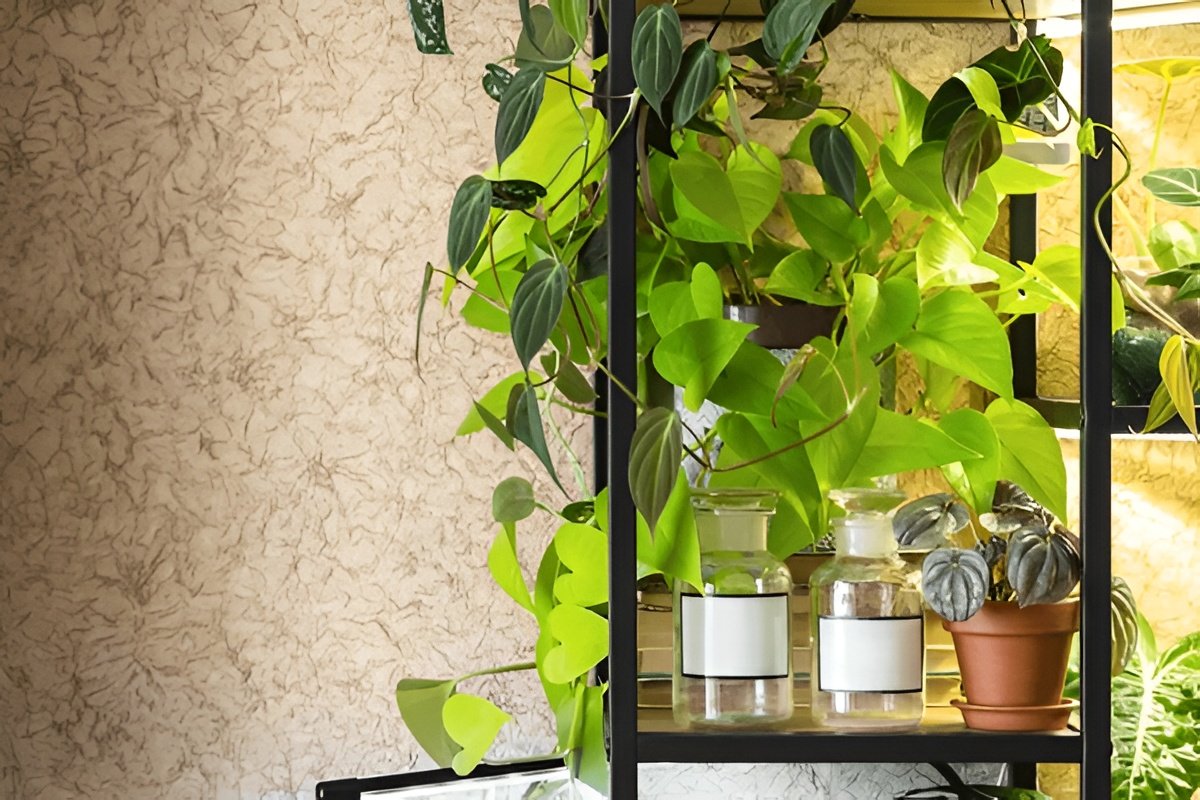
Neon Pothos is the cultivar that refuses to whisper. While many houseplants earn attention through pattern complexity, Neon pulls you in with pure chartreuse volume—leaves that look almost lit from within when conditions align. It is still Epipremnum aureum under the branding, still equipped with pothos resilience, but its color psychology differs from variegated types: there is little green “backup” pigment in leaves that read uniformly lime, so harsh cultural mistakes show quickly as dulling, smaller sizing, or sluggish growth.
If your goal is the brightest plant on the shelf—not necessarily the rarest—Neon is a strong contender when you pair it with honest light, thoughtful watering, and realistic expectations about cleanliness and seasonal shifts.
What makes Neon visually different
Neon’s foliage typically appears solidly bright rather than marbled, though immature leaves may emerge lighter and settle as they harden. Under strong light, the tone can look electric; in dim conditions, it may look “muddy lime” as chlorophyll distribution and leaf thickness respond to lower energy budgets.
Stems remain characteristically pothos: sturdy, with visible nodes suited to propagation and climbing attachments.
Light: brightness for the brightest
Neon shines when you give it bright indirect light as a baseline. Near an east window, slightly set back from a strong south or west exposure, or under dedicated grow lights with appropriate distance often yields the best saturation.
Low-light survival is possible for pothos generally, but Neon’s entire selling point is color impact—denying light misses the point the same way keeping a flowering plant in a closet misses blooms.
If you transition Neon from a shop’s shaded retail shelf to your home, expect some leaf color shifts as it acclimates. Sudden moves into direct blazing sun can bleach tissues; acclimate gradually if experimenting with sunnier porch summers.
Watering: fast growers can still drown
Bright light plus warm interiors increases transpiration and growth—sometimes more frequent watering than a Marble Queen in the same room. That does not mean constant moisture. It means learning Neon’s pot-specific rhythm.
Use the same pothos foundation: well-draining mix, thorough watering at intervals that allow meaningful dry-down without bone-dry desiccation for days on tiny root systems. In plastic nursery pots with chunky mix, dry speeds differ from glazed ceramics with thick walls—compare like with like.
Wilting is a signal, but do not rely solely on drama: occasional wilting from forgetfulness happens; chronic cycling stresses roots. Learn to read substrate moisture.
Soil structure: support exuberance without suffocation
Chunky indoor blends help roots breathe during growth spurts. If Neon leaps in summer, roots may fill pots faster—watch for water running straight through root-bound rootballs and adjust repot timing.
Repot in spring or summer when active growth supports recovery; water modestly soon after to settle media without drowning.
Fertilizer: fuel for luminous growth
During active growth, dilute balanced fertilizers on a restrained schedule. Neon’s rapid elongation under good light can deplete nutrients over many months in the same soil, but overfeeding burns. If you see tip browning with otherwise decent habits, audit fertilizer Strength, frequency, and water quality.
Cleaning: underrated Color maintenance
Dust mutes neon tones. Rinse or wipe leaves gently when grime accumulates—especially in city apartments or near kitchens. Clean leaves photosynthesize better and look brighter even when physics is the only change.
Training and display strategies
Neon’s color pops against dark walls, natural wood shelving, and white ceramics—high-contrast interiors magnify perceived glow. Trailing from a hanging planter creates a chandelier of lime; winding along a bookcase softens geometry.
For moss pole climbs, check lighting along the entire vertical column—lower sections can darken while tops thrive, producing uneven leaf size.
Propagation: share the glow
Cut below nodes, root in water or substrate, keep warm, provide gentle light. Neon cuttings often delight beginners because progress visually obvious—new roots white against glass jars.
When transitioning water-rooted cuttings to soil, keep humidity slightly elevated initially if your home is arid, and avoid baking them on hot window sills during first establishment.
Pests: contrast reveals damage early
Stippling from spider mites may show on bright leaves as pale speckling early—inspect weekly in dry winters. Mealybugs contrast ridiculously against lime foliage, which sounds helpful until infestation density climbs—early removal wins.
Companion aesthetics in plant groupings
Pair Neon with deep green Jade pothos or silvery Cebu Blue for color theory displays—just ensure each plant’s light needs harmonize in the same zone.
Seasonal changes indoors
Winter short days often dull extremes unless supplemented. Grow lights help maintain neon intensity for enthusiasts. Reduce watering when growth slows to avoid anaerobic pockets.
Outdoor summer notes (temperate growers)
Neon can summer outside in shade-first conditions, but sunburn appears as bleached patches. Rainwater volume in saucers still threatens roots—drain aggressively.
Toxicity practicality
Like other pothos types, Neon is commonly described as toxic if ingested for pets and people—protocol remains prevention and appropriate guidance if consumption occurs.
Common problems and interpretations
Smaller leaves: Often low light or weak roots. Increase indirect brightness, verify drainage, consider repot if rootbound.
General yellowing: Overwatering, poor drainage, or cold stress often top the list—sniff roots during repot if suspicious.
Leggy internodes: Insufficient light; the plant is searching.
Color drift after purchase: Acclimation or lighting change; track with notes.
Myths
Myth: Neon needs shade to stay neon. Reality: Shade survives; bright indirect optimizes the trademark color.
Myth: It is a different species requiring exotic care. Reality: It is pothos with a striking color phenotype—fundamentals remain fundamentals.
Room-by-room realism for Neon
Neon often lands on desks and shelves because the color reads sculptural against books and monitors. Desks beside north windows can work with supplemental grow lighting, but without added photons a Neon there may survive while looking more olive than electric. Living rooms with east-facing exposures frequently deliver reliable glow without technical gadgets.
Kitchens can be bright and humid, yet grease films on leaves reduce sheen—an occasional gentle rinse keeps photosynthesis honest. Bedrooms with blackout curtains closed all day are poor destinations unless you run a modest grow lamp on a timer that mimics daytime length through winter.
Pairing Neon with decor and companion plants
Because Neon is already loud, neutral pots let foliage carry the composition. Matte concrete and warm terracotta anchor chartreuse without competing. If you want contrast plantings on the same shelf, deep green Jade pothos or silvery Cebu Blue selections can create a triad that still shares similar watering instincts—always confirm the darkest corners of a shared shelf still receive enough indirect brightness for each cultivar’s needs.
Month-by-month indoor cadence (template, not law)
Spring lengthening days often increase growth and transpiration; expect quicker dry-down in bright windows and plan weekly checks rather than cruising on winter autopilot. Summer heat can stress leaves near hot glass—shift pots slightly inward if you see midday bleaching while preserving overall brightness. Autumn’s lowering sun angle can re-angle beams through windows; rotate pots when you notice one-sided color shifts. Winter short days may dull Neon unless you supplement or accept gentler color until March returns longer photoperiods.
When to choose Golden instead of Neon
If your brightest realistic spot is still moderate indirect light and you dislike running grow lights, Golden Pothos usually delivers a more forgiving yellow-green presence. Neon rewards growers who treat brightness as a first-class requirement rather than an optional flourish.
Why Neon belongs in a modern pothos collection
Golden teaches classic vines; Marble Queen teaches variegation budgeting; Neon teaches how color-forward foliage responds to light hygiene. It is an accessible cultivar that still photographs like a designer prop—if you treat lighting as seriously as watering.
Grow Neon honestly bright, keep roots oxygenated, share cuttings generously, and you will understand why chartreuse became its own aesthetic movement inside plant communities. The brightest plant in your home is not magic; it is optics plus metabolism, and Neon happily demonstrates both.
Light quality that keeps Neon saturated (not washed out)
Neon tends to stay loudest under bright indirect light that is still gentle enough to avoid scorch margins. Thin curtains can soften harsh blind stripes onto leaves. Rotate pots weekly during active growth so each side participates in harvesting light symmetrically rather than deepening color on only one façade.
If you escalate light suddenly—especially moving Neon from a shady corner toward hot midday beams—edges can bleach or yellow in ways that mimic nutrient problems even when roots are healthy. Prefer gradual repositioning combined with scouting for mites and inspecting watering rhythm calmly.
Neighbor plants and shelf styling without shared watering fantasies
Neon pops beside burgundy or deep green companions in photos, yet each container still needs individualized moisture checks. Color composition is aesthetics; physiology remains per-pot discipline.
Chartreuse pothos versus chartreuse-ish philodendrons at retail
When labels are doubtful, inspect stem grooves, sheath behavior on unfolding leaves, and rooting habits in propagation. If you propagate like pothos cuttings reliably, morphology probably agrees—compare node photos calmly rather than trusting one billboard leaf silhouette.
Grow-light-only interiors
Quality full-spectrum LEDs marketed for foliage can sustain vivid pothos Neon when distance and intensity follow manufacturer guidance. Raise intensity slowly if vines stretch; halt increases if marginal bleaching emerges. Windowless setups work when light hygiene replaces window drama honestly.
Propagation lineage note
Propagated Neon cuttings generally retain clone color when maternal stock grows in adequately bright—not dim rescue—locations with humane pest scouting and restrained feeding rhythms.
Temperate summer outdoors (optional)
If you summer pothos Neon on a patio responsibly, prioritize shade-first acclimation. Soft indoor leaves bleach quickly beneath harsh midday sun without transition discipline.
Related Pothos Guides
- Manjula Pothos vs. Marble Queen: What’s the Difference?
- Cebu Blue Pothos: Rare Care Guide & Where to Buy
- Jessenia Pothos vs. Marble Queen — Side-by-Side Comparison
- Pearl and Jade, Snow Queen, Baltic Blue & Other Rare Pothos Varieties Explained
- Pothos Care Guide: Everything You Need to Know in One Place