
Last Updated on May 1, 2026 by Indoor Plant Nook
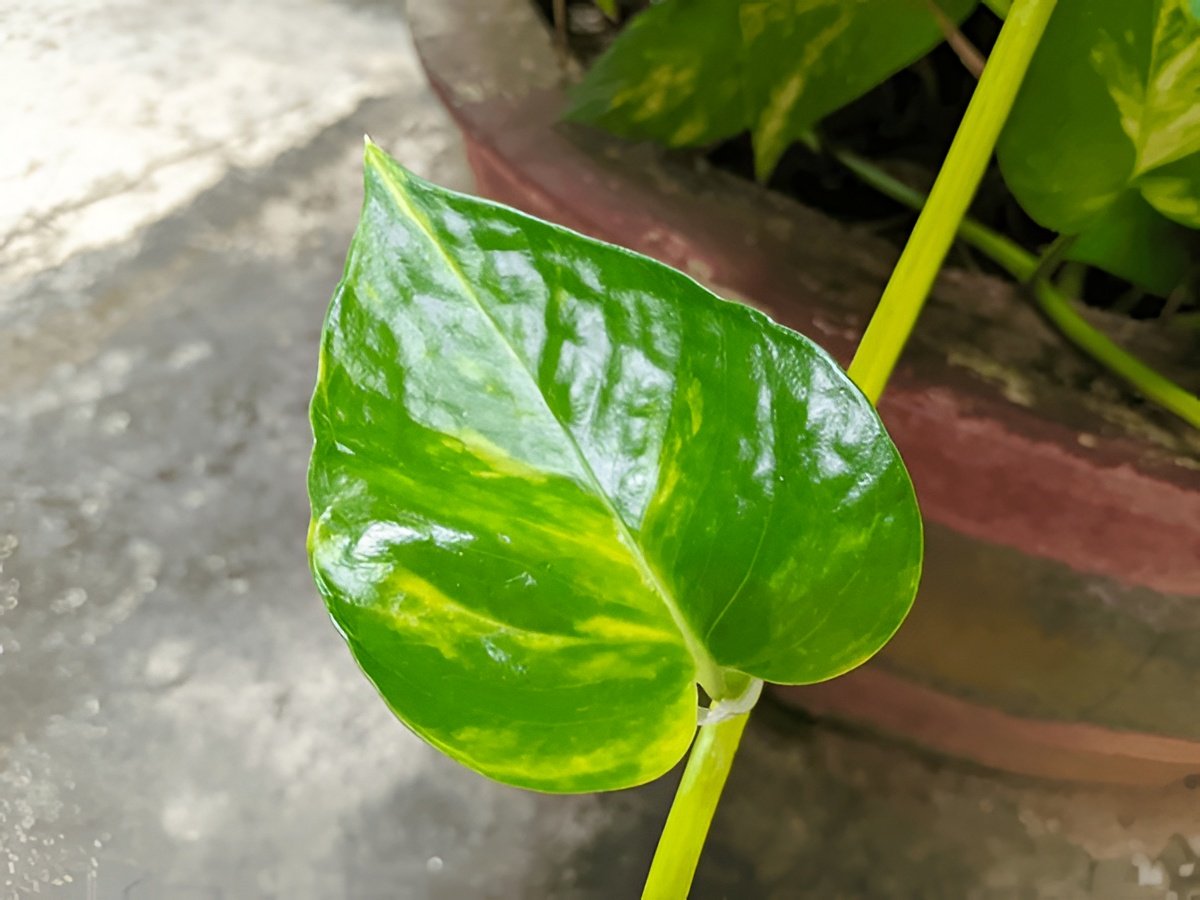
Walk into almost any café, coworking space, dorm room, or plant shop and you will see the same forgiving green vine tumbling over a shelf edge or cascading from a hanging basket: pothos (Epipremnum aureum). Often called devil’s ivy, Golden Pothos, or simply “money plant” in informal conversation, pothos earns its ubiquity honestly. It tolerates imperfect light, survives occasional lapses in watering, adapts to many pot types, propagates eagerly from stem cuttings, and looks unmistakably lush when it grows long trails of heart-shaped foliage. Yet popularity can make a plant oddly invisible—we stop asking what it truly is. This guide gives you a grounded, botanical introduction plus the practical framing that helps pothos flourish in homes around the world.
The short answer (and why it matters)
Pothos is a tropical evergreen vine in the arum family, Araceae, widely grown indoors for its ornamental foliage including classic green leaves and boldly variegated forms. Despite common labels in stores, modern taxonomy places what most people purchase as pothos primarily under Epipremnum aureum, although related species and hybrids are sometimes marketed under the pothos umbrella. Understanding that distinction protects you when care instructions reference light needs for pale variegation, when you troubleshoot yellowing tied to soggy substrates, or when you compare pothos-like plants that only look similar.
Knowing what pothos is also helps when you propagate. Pothos forms aerial roots along the stem—the same structures that cling to moss poles indoors and search for moisture along tropical tree trunks in nature—which means cuttings rooted in water or soil reliably produce vigorous new plants. That rooting habit is central to pothos popularity: success feels immediate, reinforcing good habits among beginners without requiring rare equipment.
Where pothos grows in nature (and what that implies indoors)
Originally associated with humid tropical climates in regions such as parts of Southeast Asia and nearby islands—habitats where vines ramble through forest understories and climb toward brighter openings—pothos evolved for dappled light, warm nights, and frequent rain followed by quick drainage on slopes and tree bark. Indoors, you are not recreating a rainforest chamber; you are mimicking the pattern of its needs: stable warmth most of the year, bright indirect light for best growth, and a watering rhythm that allows roots to access moisture without suffocating in stagnant, airless soil.
This ecological background explains several common indoor behaviors. In low light, pothos often keeps living but grows more slowly, with longer internodes (gaps between leaves) and smaller leaves. In strong direct sun through a hot window, leaves can bleach or scorch. In oversized pots with heavy, water-retentive mixes, roots may rot even if you “do not water that often,” because the medium stays wet too long between waterings. If you understand pothos as a climbing hemiepiphyte-like vine adapted to bark and leaf litter—not a marsh plant—you will choose better soil, better pots, and better placement.
What pothos looks like (and how it changes with age)
Young pothos plants sold in shops usually show heart-shaped leaves on thin, flexible stems. As plants mature—especially when given support to climb—leaf size can increase and shape can shift depending on variety and conditions. Many indoor growers never see the full adult foliage because pots remain small and stems trail rather than climb. That is normal. Trailing pothos is not “stunted” simply because it trails; it is expressing a different growth architecture with different priorities, often favoring length over maximal leaf expansion.
Variegation is another visual signature. Golden pothos shows yellow or cream marbling; Marble Queen and related cultivars show dramatic white-green patterning; Neon offers chartreuse intensity; Cebu Blue can look silvery-blue with a subtle sheaf texture. Variegation is not merely decorative. Variegated portions contain less chlorophyll, so those leaves photosynthesize less efficiently. In dim corners, highly variegated plants may push greener “reverted” growth to survive. If you want to preserve bold variegation, plan for brighter indirect light and stable care—topics covered in detail in dedicated light and variegation guides.
The name game: pothos, devil’s ivy, and scientific updates
Houseplant common names are charming and confusing. “Pothos” persists in commerce even when botanists refine classifications. You may also encounter older names in books and forums. For the everyday grower, the practical rule is simple: trust the plant’s structure and care behavior more than a label sticker. A vining Araceae with opposite heart-shaped leaves, aerial roots, and the classic golden variegation pattern is almost certainly what the houseplant community means by pothos, regardless of minor naming debates among specialists.
“Devil’s ivy” reflects its reputation for being difficult to kill—sometimes overstated, because root rot and prolonged cold can still take plants down, but directionally true relative to many fussy houseplants. If you are new to plants, treat the nickname as encouragement, not a license to ignore drainage.
Why pothos became the world’s default beginner plant
Several converging traits make pothos a gateway species. It communicates clearly when thirsty: leaves often soften and may look slightly dull or droop, then perk after a thorough drink—though you should learn to check soil moisture rather than waiting for dramatic wilting every time. It tolerates a range of humidity levels typical of heated homes. It accepts different container strategies, from nursery plastic to ceramic, as long as drainage exists. It forgives an imperfect watering calendar more readily than thirsty calatheas or many succulents with strict dry-down requirements.
Educationally, pothos also teaches transferable skills—how to pinch leggy growth, how to scout for pests like spider mites, how to diagnose yellow leaves from chronic overwatering versus natural senescence, how to propagate and share plants. Once you refine those instincts on pothos, you bring stronger observation skills to ficuses, monstera relatives, philodendrons, and beyond.
Pothos compared (briefly) to look-alikes
People frequently confuse pothos with heartleaf philodendron and other vining aroids because growth habits overlap. Typically, pothos stems are thicker and visibly grooved compared with many slim philodendron vines, and pothos aerial roots tend to appear as blunt nubs along stems. Leaf texture and venation patterns also differ by species. Exact identification can be oddly contentious online; close-up photos comparing petioles, leaf surface gloss, and new leaf sheaths help.
If your goal is care rather than trivia, overlap is reassuring: both often want bright indirect light, well-draining potting mixes, and careful watering rhythms. Divergence appears more strongly in nuanced humidity preferences or pest vulnerabilities in certain environments. Dedicated comparison articles elaborate with photo-guided cues.
Indoor goals: What “success” looks like with pothos
Success is not only maximal length. Healthy pothos exhibits firm leaves with consistent coloring for its cultivar, steady seasonal growth during warm months, resilient stems that resist snapping when gently handled, and roots that smell earthy—never sour—when inspected during repotting. Mild leaf drop of older basal leaves happens; synchronized yellowing across new growth does not.
Many growers aim for stylistic wins: jungle shelves, bathroom vines, bookcase softening, or office green without high maintenance. Pothos supports those visions because it can be trained vertically on a moss pole, allowed to cascade, or trimmed regularly for a bushier tabletop plant. Each style changes light exposure along the canopy and airflow around leaves, subtly shifting how often you water.
Toxicity basics every household should respect
Pothos is commonly described as toxic to pets and humans if ingested, consistent with calcium oxalate irritation patterns seen in many arums. Symptoms can include oral irritation, discomfort, vomiting, or more serious complications depending on quantity and individual sensitivity. Practical takeaway: treat pothos like a thoughtfully placed plant—not a snack. Hang baskets, elevate pots, supervise curious animals, and know your emergency resources. Specialized articles address cats, dogs, and children separately; the core principle remains consistent caution.
A realistic care snapshot for newcomers
Think in terms of light, water, substrate, and temperature. Bright indirect light is the widest safe band for vigorous growth—near an east window, set back from a strong south window, or under quality grow lights. Water when the top inch or two of potting mix has dried in smaller pots—or when the substrate feels appropriately dry deeper in larger pots, depending on your mix—and then water thoroughly until liquid exits drainage holes.
Use a chunky, well-aerated potting blend rather than dense outdoor garden soil unless you deliberately amend it. Keep plants away from cold drafts and overheated radiators. Fertilize lightly during active growth rather than drowning plants in salts during dormancy-ish winter slowdowns indoors.
Advanced topics—LECA propagation, moss pole climbs, perpetual water culture—extend the pothos playbook, but fundamentals remain uncomplicated.
Common myths (and sharper truths)
One myth insists pothos thrives in darkness. Reality: pothos survives low light longer than many comparables yet still benefits from brighter conditions for energy, fullness, and variegation retention. Another myth claims misting substitutes for watering. Reality: misting raises humidity fleetingly around leaves and sometimes spreads foliar problems if airflow is poor; address watering at the roots and ambient humidity thoughtfully. Another myth asserts bigger pots accelerate growth. Reality: oversized pots often slow healthy growth by retaining moisture excessively and encouraging root pathogens.
Debunking these myths transforms pothos care from folk wisdom into mindful practice.
How to deepen your pothos journey from here
Begin with observational journaling for two weeks—note watering dates, drainage behavior, ambient temperature swings, leaf tone changes, new node spacing. Observation beats memorizing rigid schedules because your apartment’s humidity differs from mine. Combine observation with deliberate seasonal adjustments: more cautious watering during short winter days unless grow lights compensate; slightly more liberal watering during vigorous summer elongation—always bounded by substrate quality.
When you propagate, branch out methodically—water roots first if you crave visible progress, soil cuttings once you grasp moisture control, moss or LECA when you crave experimentation. Explore cultivars thoughtfully; each variety has subtly different glare tolerance for stark white foliage or slower growth patterns for novelty types.
Finally, contextualize pothos within your interior ecosystem—light maps, airflow, pest monitoring, companion plants—not as an isolated gimmick plant but as part of intentional indoor gardening.
Pothos is not magic, but its combination of forgiving metabolism, approachable propagation, adaptable presentation, and luxuriant appearance makes it a rational first love and a long-term keeper. Whether your goal is a single lush shelf vine or an entire pothos-forward collection threading through your rooms, grounding yourself in what pothos is accelerates confident care—and sets the stage for every deeper guide ahead, from taxonomy and origins to pinpoint troubleshooting when leaves yellow unexpectedly.
Related Pothos Guides
- Pothos vs. Philodendron: How to Tell the Difference (with Photos)
- The History and Origin of Pothos — Where Does It Come From?
- Why Pothos Is the Best Plant for Beginners (and Everyone Else)
- Pothos Scientific Classification: Family, Genus, Species, and Name Changes Explained
- Is Pothos an Indoor or Outdoor Plant? Where Can It Grow?